New research says travel is closer to preventive medicine than a luxury. After 30 years of leading travelers on foot around the world, I’m not surprised — and I think the kind of travel matters more than we’ve admitted.
There’s a piece in The Wall Street Journal this week — “The Surprising Mental-Health Benefits of Getting Away” — that I want to sit with for a minute, because it names something the travel industry has felt for a long time but rarely said out loud.
The short version: a growing body of research suggests that travel is not a luxury or an escape. It is a legitimate tool for improving mental health. Vacations away from our usual environment build stress resilience, sharpen cognitive health, and ward off depression. The effects don’t disappear when you sit back down at your desk. Even the anticipation of a trip makes people feel happier about their family, their health, and their finances than they do with nothing on the calendar.
The mechanism, the researchers say, is novelty. At home, the brain runs on cruise control — same clothes, same commute, same people, same decisions. Travel forces the opposite: new food, new streets, new people, new choices. That friction is what builds confidence, sharpens memory, and produces satisfaction.
I’ve spent more than thirty years designing trips for a living, and I want to add a friendly amendment to the article: not all travel does this equally well.
The Problem With The Modern Vacation
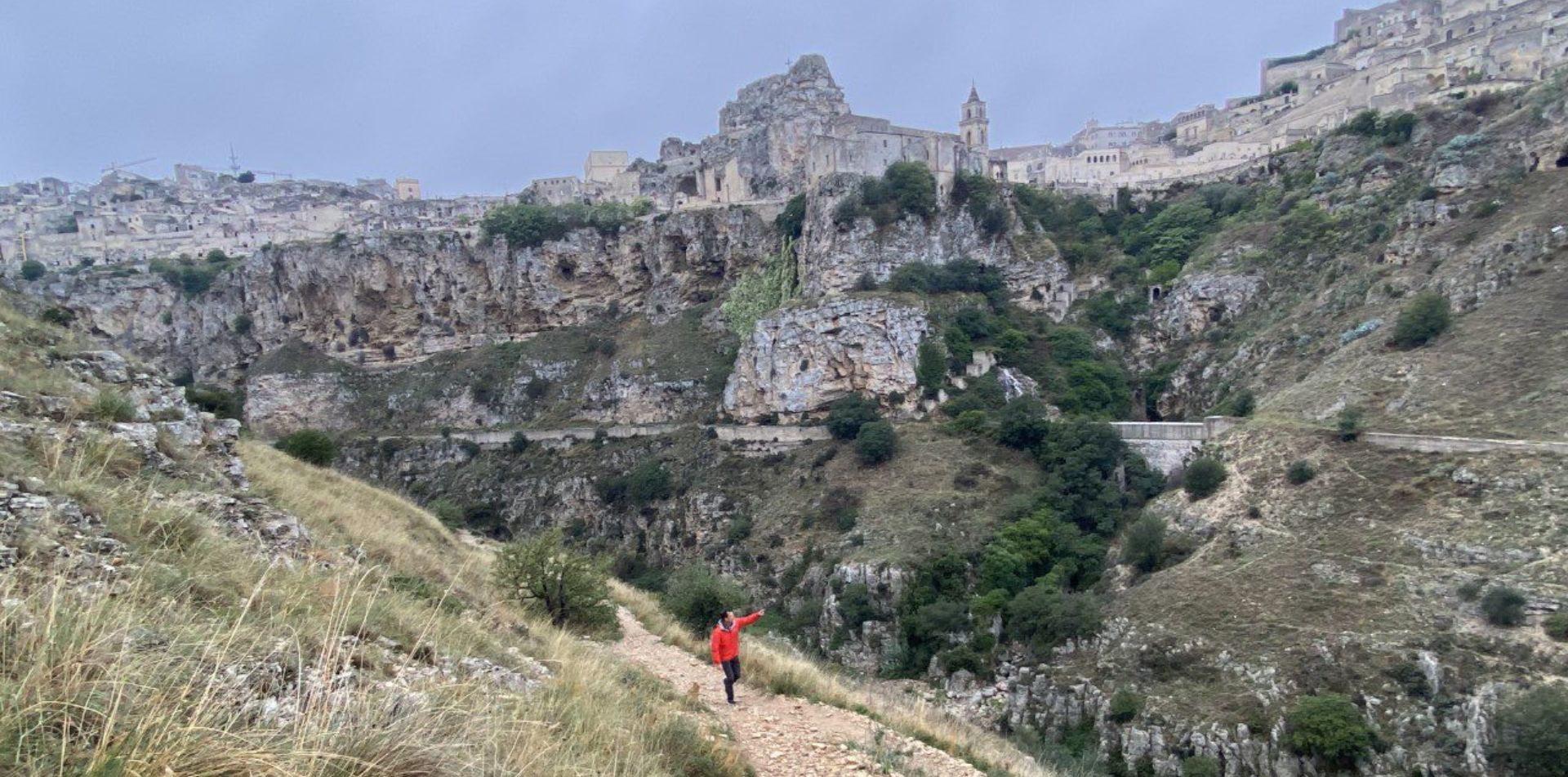
A lot of what the industry calls a vacation is actually a swap. You leave your usual environment and drop into a slightly warmer one that behaves in exactly the same way. The resort has the same buffet as last year. The cruise ship visits four ports in four days, none long enough to matter. The all-inclusive is engineered so you never have to make a decision — which is comfortable, but it is also the opposite of the “friction” the researchers describe as the active ingredient.
You come home rested. You do not come home changed.
The research is pointing to something more specific than “get away.” It’s pointing at the kind of trip that meets four conditions at once:
1. Real novelty — a landscape, a language, a way of life that your brain has to actually engage with.
2. Human connection — encounters with people who are of the place, not performing it.
3. Movement outdoors — walking, daylight, weather on your skin.
4. Meaning — the sense that what you did today mattered to you, and, ideally, to someone else.
Any one of those on its own is nice. Stacked, over a week or ten days, they change people.
What a walking day actually does to you
When I started Classic Journeys, I didn’t have a research paper in front of me. I had an instinct: that the most memorable trips of my own life were the ones where I’d walked into them. Not driven past. Not floated by. Walked.
Here is what I now understand a walking day is doing, hour by hour, to the brain and body of a guest:
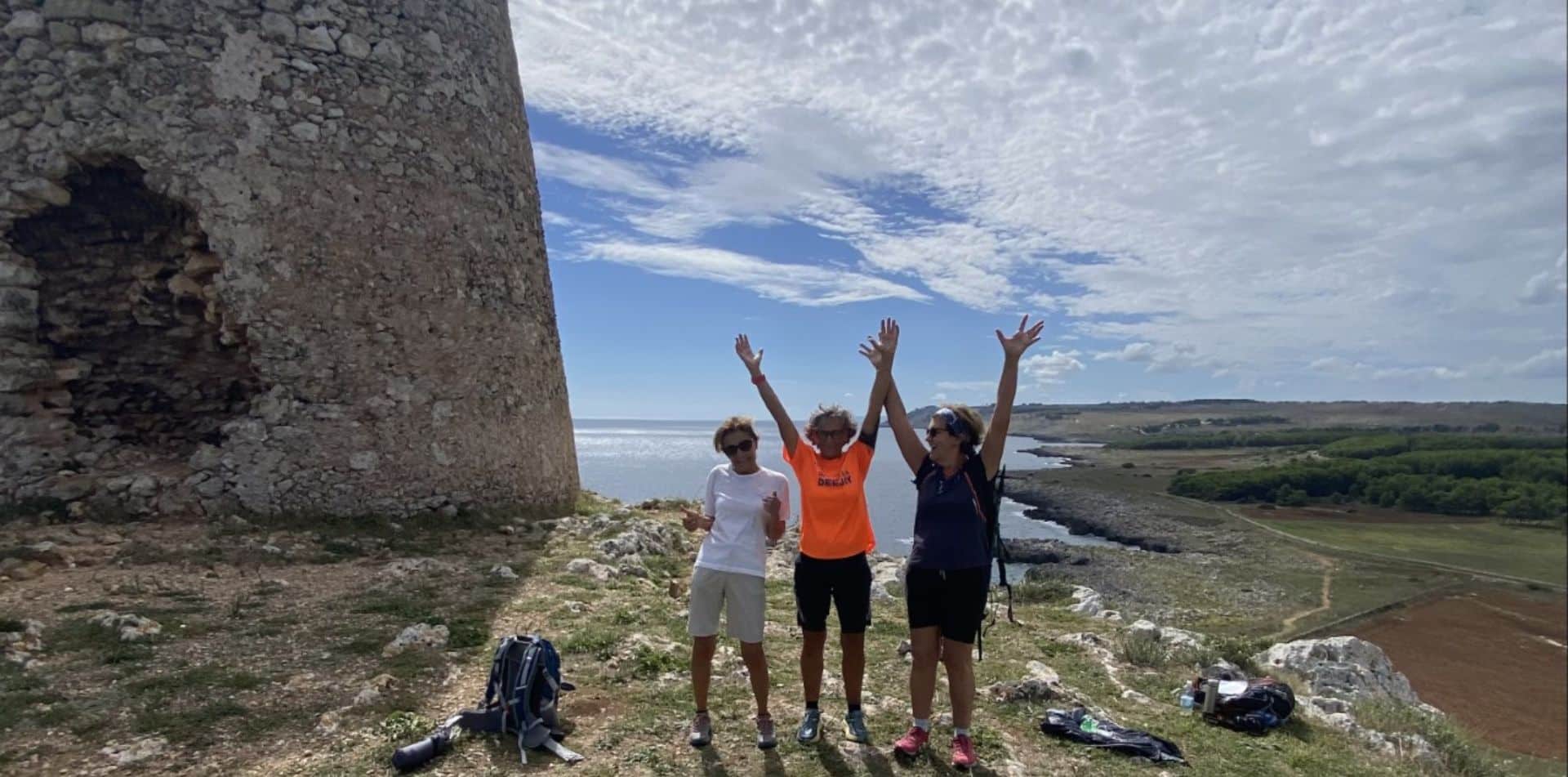
• Morning: They wake up somewhere they’ve never slept before. Novelty, before coffee. They step outside into weather and light. Their body starts to move at a pace it was designed for.
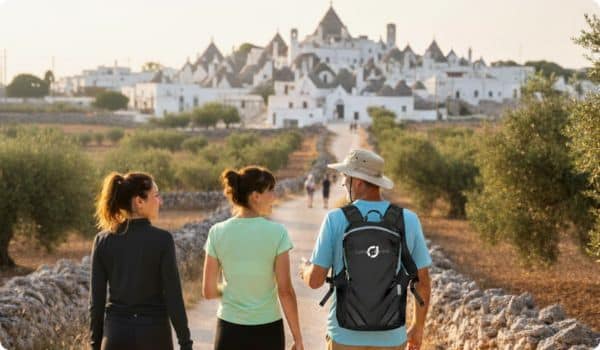
• Late morning: They walk — for an hour, sometimes three — through a landscape they’ve never seen. The path requires small decisions: which side of the puddle, which turn at the olive tree, which question to ask the guide. Low-grade cognitive engagement, the kind researchers say sharpens memory.
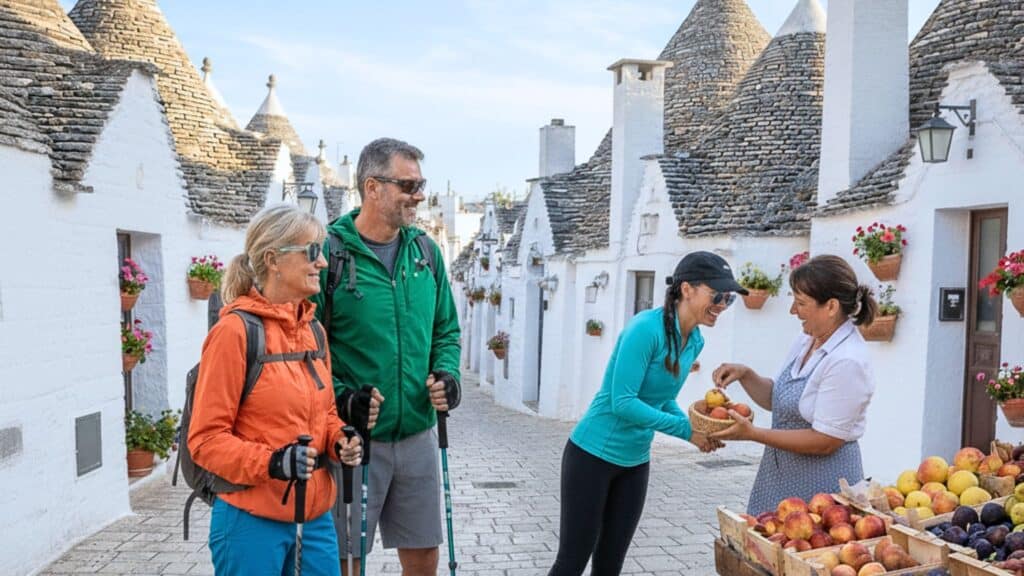
• Midday: The walk ends at a person. A shepherd in the Dolomites. A farm family in Puglia. A cheesemaker in the Basque Country. A weaver in the Atlas. Not a photo op — a real conversation, translated by a guide who knows the family by name. Human connection, the ingredient most missing from modern adult life.
• Afternoon: They eat lunch made from what grows within sight of the table. They rest. They walk a little more, or they don’t. They are trusted to choose.
• Evening: They sleep in a hotel with a soul, in a room that isn’t a template. They talk over dinner about what they saw. They go to bed tired in the good way.
• The next day, they do it again.
Repeat that pattern for seven or ten days and something quietly remarkable happens. Guests tell us, often on the last night, some version of the same sentence: “I feel like myself again.” Or: “I didn’t know I needed that.”
They’re not being poetic. They’re describing, in the only language they have, what the WSJ article just described in clinical terms.
Walks that lead to people
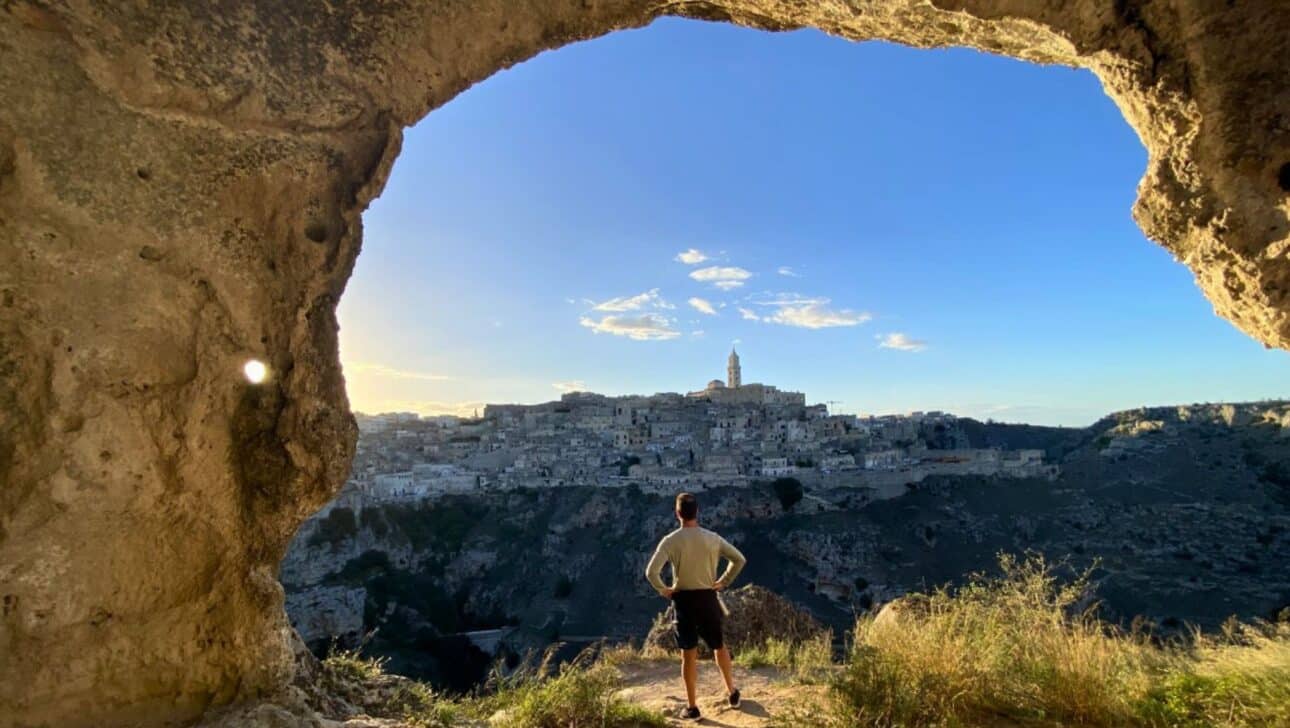
The industry sometimes treats walking as a fitness feature — a number of miles on a page. That misses the point. At Classic Journeys we’ve always designed walks as the delivery mechanism for the parts of a place a car can’t get to: the family kitchen, the vineyard row, the artisan’s workshop, the trailhead that opens onto the view. The walk isn’t the workout. The walk is the way in.
That matters for the mental-health research, because it turns out the ingredients don’t work in isolation. A treadmill is exercise but not novelty. A museum is novelty but not movement. A resort dinner is connection, sort of, but not with a place. A walk that ends at a stranger who becomes, for an afternoon, a friend — that’s the whole compound.
The Permission Slip
If there’s one thing I hope readers take from Heidi Mitchell’s article, it’s a permission slip. The trip you’ve been putting off is not indulgence. It is one of the more evidence-based things you can do for your mental health, your family’s health, and, if the anticipation research is right, for your outlook starting the moment you book it.
You don’t have to book it with us. But if you do, know what we’re actually offering. We’re not selling a vacation. We’re selling seven or ten days of real novelty, real people, real movement, and real meaning, on foot, in some of the most beautiful places on earth. The medicine, it turns out, was always a walk in Puglia. Or the Dolomites. Or Kyoto. Or the Osa.
Go. Your brain will thank you. Your family will notice. And if you’re lucky, on the last night, you’ll hear yourself say it too: I feel like myself again.
________________________________________________________________________________
Edward Piegza is the founder and CEO of Classic Journeys, a boutique cultural walking tour company operating in more than 30 countries on six continents. Classic Journeys is a multi-time No. 1 in the Travel + Leisure World’s Best Tour Operator survey and an inductee into the T+L Hall of Fame.