On the surface, a multi‑sport trip sounds irresistible. Can you picture yourself biking quiet country roads in the morning, hiking a spectacular ridge in the afternoon, then maybe paddling across a bay at sunset? It promises a little bit of everything, wrapped into one perfect adventure.
But the reality is that when you try to do everything in a single itinerary, you almost always end up compromising on all of it. The biking is designed for people who don’t really bike. The hiking is designed for people who don’t really hike. And the “multi‑sport” portion is lowered to the lowest common denominator so that it’s approachable to everyone (and doesn’t reach a truly memorable level of experience in any one activity). Read on to learn about our better approach to travel and see how we explore the world on memorable, authentic, and immersive walking tours.
The Hidden Compromises Of “Multi‑Sport”
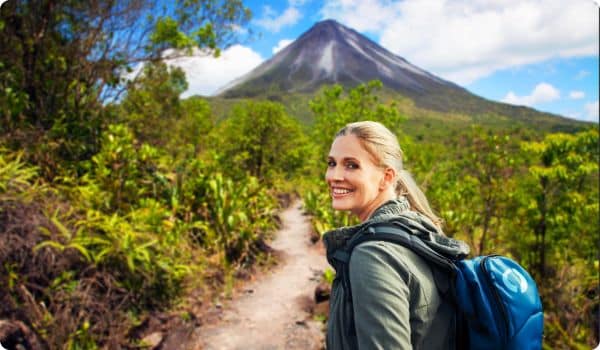
Most multi‑sport itineraries are designed where the headline is the hook: biking, hiking, kayaking, maybe a touch of rafting or canyoning for good measure. The challenge is then to fit each of those activities into a limited number of days, with a wide range of guest ages, fitness levels, and comfort zones. To make that work, several quiet compromises occur:
- Depth is traded for breadth: you might “sample” three sports, but you rarely settle into the rhythm of any one of them long enough to feel like you’re truly inhabiting the place through that activity.
- For travelers who genuinely love to walk or hike, this can be quietly frustrating. The “hike” becomes a pleasant stroll rather than a purposeful exploration of trails and villages.
- For those who really bike, the “ride” is more of a spin than a journey. The entire experience can start to feel like a tasting platter where every dish has been dulled to suit the widest possible palate.
Routes are shortened, flattened, and simplified so that everyone can participate, which means the most beautiful or character‑rich terrain is often left off the table.
Why Walking – When Done Right – Is Already Multi‑Dimensional
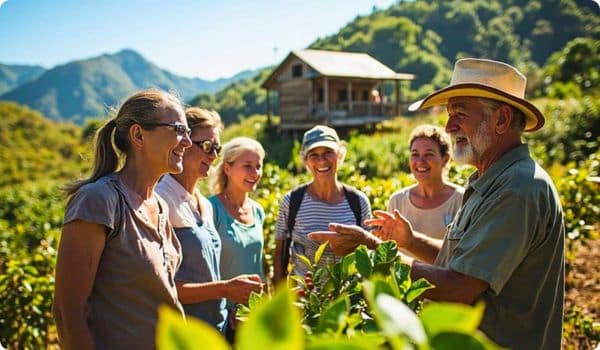
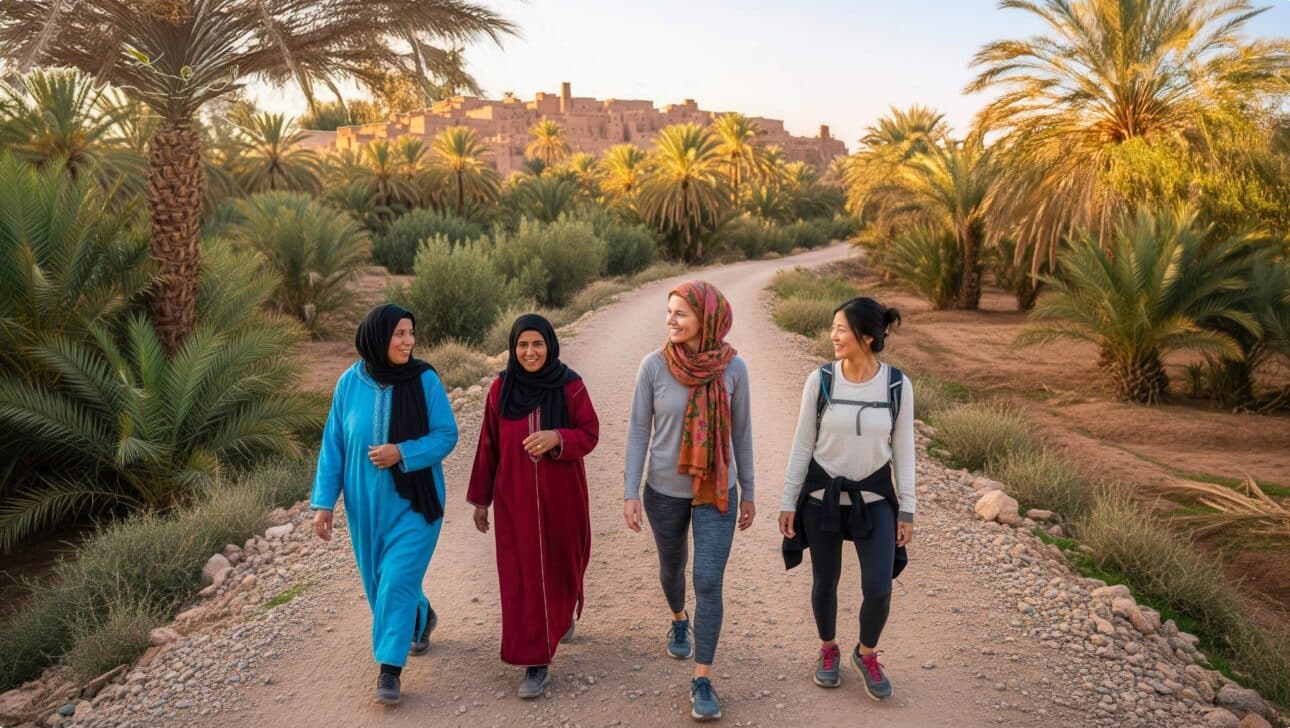
At Classic Journeys, we’ve spent decades focused on one core truth: you don’t need five different sports to experience a place through multiple lenses and senses. You need the right pace, the right access, and the right people. Walking and easy hiking, when they are carefully curated, are already inherently multi‑dimensional:
• You’re moving slowly enough to actually see, hear, and smell what’s around you – the grape skins drying in the sun, the sound of a language in a village square, the change in light as you crest a hill.
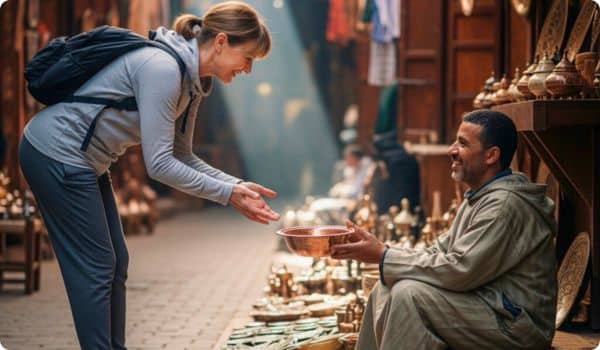
• You can step off the route at a moment’s notice to follow your curiosity – into a workshop, a family‑run bakery, a courtyard where someone is stringing peppers or hanging laundry.
• Your guide is not just a route leader but a local storyteller, translator, and cultural connector, able to weave together history and daily life in real time.
Instead of dividing your energy between biking, hiking, and kayaking at a base level, you are free to go deeper into the life of a region through walk after walk that has been chosen for what it reveals, not how many miles it racks up. Our itineraries are built around what we call a “many lenses, one medium” approach. The medium is walking and hiking… and the lenses are everything you experience along the way.
On A Classic Journeys Trip, Those Lenses Might Include:
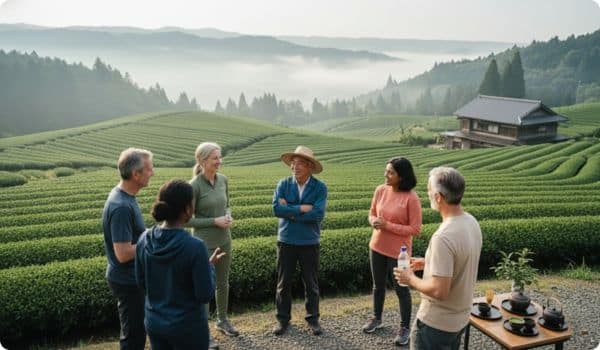
- Culinary Lens – joined by a chef in a tiny kitchen where you roll out pasta or shape dumplings, tasting the region’s flavors at the source rather than in a generic cooking class.
- Artisan Lens – stepping into the studio of a ceramicist, a weaver, or a glassblower and watching a piece come to life from raw material to finished work, while hearing the story of how that craft shapes the community.
- Agricultural Lens – walking through vineyards or orchards with the people who work them, seeing how the land and climate translate into the wine or olive oil in your glass later that evening.
- Historical Lens – following in the literal footsteps of traders, pilgrims, or shepherds, where each bend in the path comes with a story layered in centuries of memory.
- Everyday‑life Lens – lingering in a café where your guide knows the owner’s family, watching how people greet each other, what’s written on the chalkboard menu, what’s playing on the radio.
You do not need to switch sports to change perspective. Instead, you can walk through the same landscape on foot to see it all unfold in real time with the locals who live there.
The Power Of Curation And Continuity
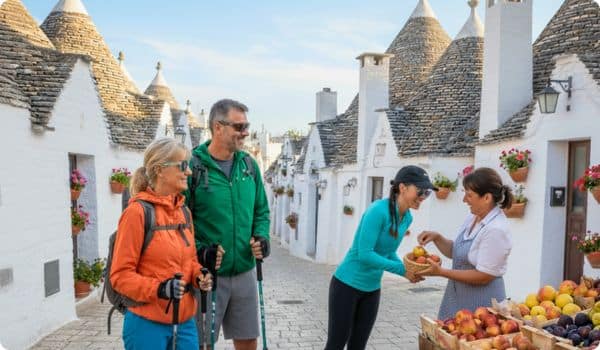
Because Classic Journeys was founded as a cultural walking and hiking company over 30 years ago, everything we do is designed around that focus. Our founders still personally scout every trip, walking each route, meeting each host, and making sure that every day arcs naturally into the next. That continuity is very hard to achieve when an itinerary is constantly switching modes.
On our trips, you are not juggling helmets, paddles, and bike shoes. You are free to stay in the moment. The logistics fade into the background, and the through‑line becomes clear: one day’s conversations pick up where the last one left off, you see the same faces again in a village, you return to a wine bar where you already feel like a regular. This also allows us to calibrate each day to the group’s energy and interests without sacrificing quality. Want a slightly more ambitious morning hike and a slower, more conversational afternoon walk through town? We can adjust within the trip’s framework of what the place does best, rather than trying to protect a promised menu of sports.
When “Less” Is Actually Much More
The allure of the multi‑sport label is understandable; it suggests variety, momentum, and a sense of making the most of your time away. But the travelers who come back from our immersive walking trips are the ones who discover that they didn’t need to do everything to feel like they did enough.
Instead of remembering that they biked, hiked, and kayaked, they remember:
• The Italian grandmother who insisted they stay for another slice of cake in her courtyard.
• The French winemaker who walked the rows with them and then poured a tasting in their priate cellar.
• The Peruvian artisan who let them try their hand at a centuries‑old technique.
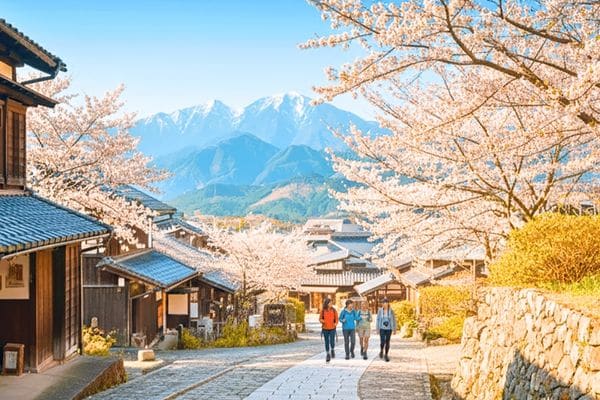
• The feeling of walking into an ancient village as the church bells rang and the bakery doors opened for the morning.
We offer multi‑sport trips of a different kind – multi‑sensory, multi‑layered, and deeply human.
For travelers who genuinely care about how they spend their days, the question is not “How many sports did I do?” It’s “How fully did I experience this place?” Classic Journeys’ answer is that when you walk with intention, with local experts, and with doors opened to the “makers” who define a region, you are already doing more than enough. You are getting the best of everything, without having to settle for an average version of anything.
Explore the World