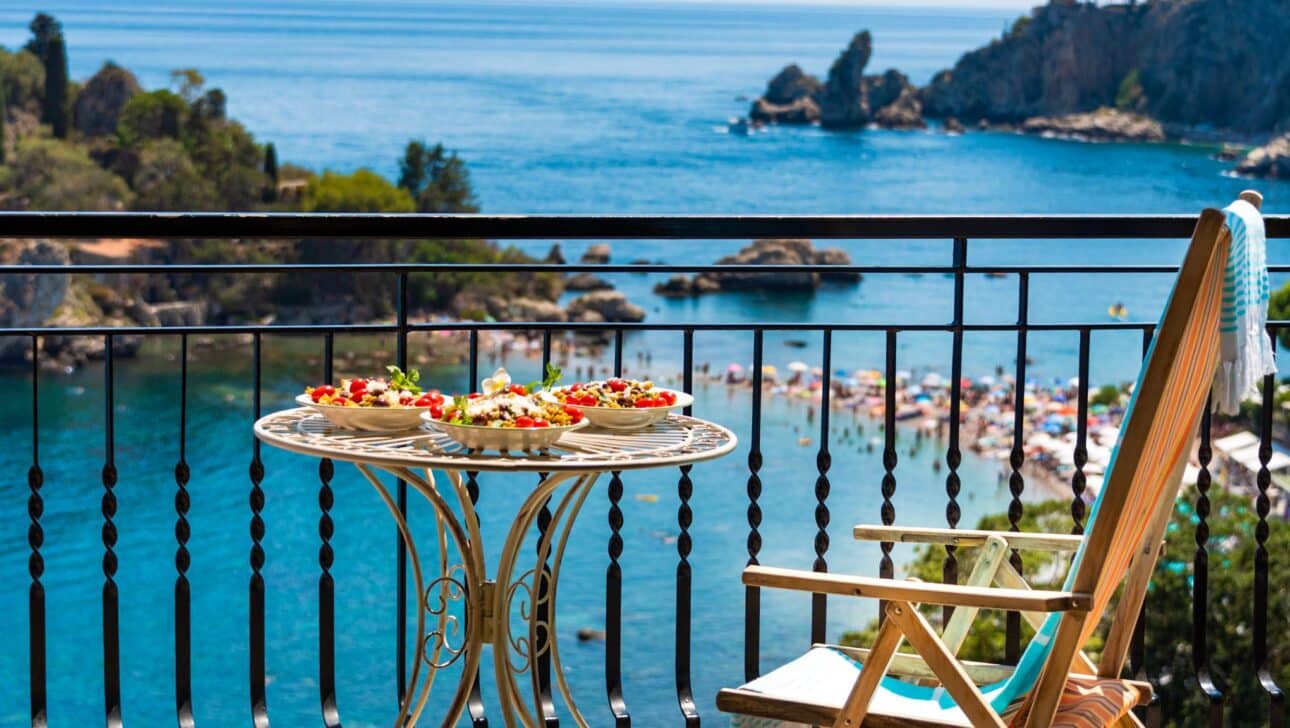
When traveling around Italy, you’ll be enchanted by more than the rolling hills of Tuscany and the charming sea towns along Amalfi’s Coast. As you embark on an Italian adventure, prepare to indulge in not only the breathtaking beauty of each region but also the irresistible flavors that have made Italian cuisine a global treasure. With a diverse gastronomic offering, each corner of Italy boasts its own unique pasta dishes reflecting time-honored recipes that have been passed down through generations. Join us as we traverse this pasta paradise, unveiling the delicious delights from northern Dolomites to southern Puglia. Along the way, you’ll learn about (and perhaps develop a craving for) why Italy is a true haven for foodies from around the world. Andiamo!
Ciceri e Tria in Puglia
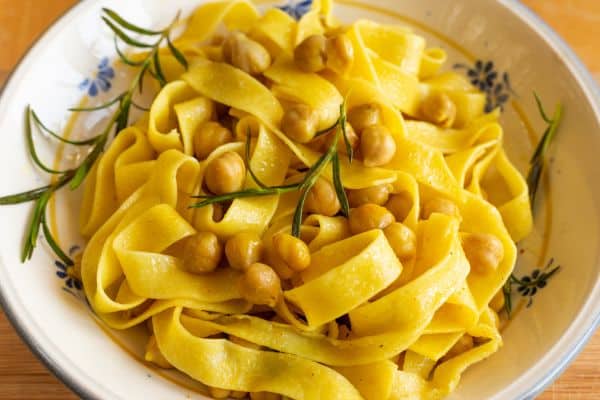
More than simply a pasta dish, Ciceri e Tria is a delicious representation of Puglia’s culinary heritage. Combining the simple and locally-sourced ingredients found in Italy’s heel, it was born out of resourcefulness due to its transformation of basic staples into a satisfying meal. Its humble ingredients include chickpeas (ciceri) which provide a hearty and protein-rich base after being soaked overnight as well as pasta (locally referred to as tria) which is often a homemade type of pasta, resembling flat, wide noodles. It’s often prepared from durum wheat flour and water, giving it a rustic texture. Other than that, you simply add olive oil, which is produced in the region, as well as pecorino cheese for a salty addition to the dish. In a skillet, garlic is gently sautéed in olive oil, the chickpeas are added and cooked briefly then the cooked tria pasta is then added and tossed with the chickpeas. The finished dish is plated and drizzled with generous amounts of extra virgin olive oil and a sprinkle of Pecorino cheese and that’s it.
Ingredients
– 12 oz fresh tagliatelle or other wide pasta (tria)
– 2 cups cooked chickpeas
– 3 tbsp extra virgin olive oil, plus more for drizzling
– 2 cloves garlic, thinly sliced
– Salt and freshly ground black pepper
– ½ cup grated Pecorino Romano
– Chopped fresh parsley (optional)
Instructions
– Bring a large pot of salted water to a boil and cook the pasta until al dente
– While the pasta cooks, heat the olive oil in a large skillet over medium heat
– Add the garlic and cook until fragrant, about 1 minute
– Stir in the chickpeas and a splash of pasta water. Simmer for 5 minutes
– Add the cooked pasta to the skillet and toss until well coated
– Season with salt and pepper
With its simple ingredients and traditional preparation methods that have been passed down through generations, Ciceri e Tria embodies the heart and soul of Puglia. When visiting this warm and welcoming region, you’ll often see this dish on the menu at restaurants and your local guide can give you tips for preparing it at home. Enjoy!
Trenette al Pesto in Lombardy
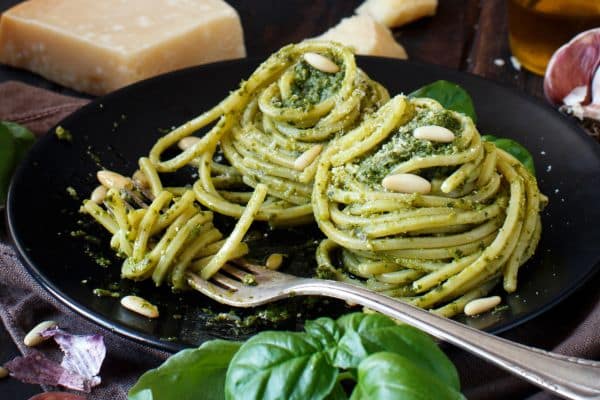
Lombardy, a region in northern Italy, is renowned for its captivating landscapes, cultural heritage, and vibrant culinary scene. Among its gastronomic treasures, Trenette with Pesto shines as a beloved dish for locals and visitors alike with its simple fresh ingredients that delights all palates. Trenette, a narrow, ribbon-like pasta, is made from durum wheat semolina and water. It has a satisfying chewiness that pairs wonderfully with the pesto sauce made from locally grown basil leaves. The heart and soul of this dish, pesto is an emerald-green sauce crafted from fresh basil leaves, pine nuts, garlic, Parmesan cheese, and extra virgin olive oil, bursting with herbal, nutty, and cheesy flavors. Often green beans and small potatoes are added as well, for a hearty meal full of satisfying ingredients. Trenette with Pesto is an ode to Lombardy’s agricultural richness, with basil thriving in its fertile soil and olive oil from its abundant orchards.
Ingredients
For the pesto
– 2 cups fresh basil leaves
– ⅓ cup pine nuts
– 2 garlic cloves
– ½ cup grated Parmigiano-Reggiano
– ¼ cup grated Pecorino Romano
– ½ cup extra virgin olive oil
– Salt
For the pasta
– 1 lb trenette (or linguine)
– 2 small Yukon Gold potatoes, peeled and diced
– 8 oz green beans, trimmed and cut into 2-inch pieces
Instructions
– Blend the basil, pine nuts, garlic, Parmesan, Pecorino, olive oil, and a pinch of salt until smooth
– Bring a large pot of salted water to a boil
– Add the potatoes and cook for 5 minutes
– Add the green beans and pasta and cook until the pasta is al dente
– Reserve ½ cup pasta water before draining
– Toss the pasta, potatoes, and beans with the pesto, adding pasta water as needed to create a silky sauce
– Serve immediately with extra Parmesan
Beyond the ingredients, Trenette with Pesto holds a cultural significance. It embodies the art of gathering, as families and friends unite around the table to relish this timeless dish. The flavors of the pesto reflect the essence of Lombardy’s lake-filled landscapes, from the picturesque countryside to the rolling hills. Buon Appetito!
Spaghetti al Nero di Seppie in Sicily
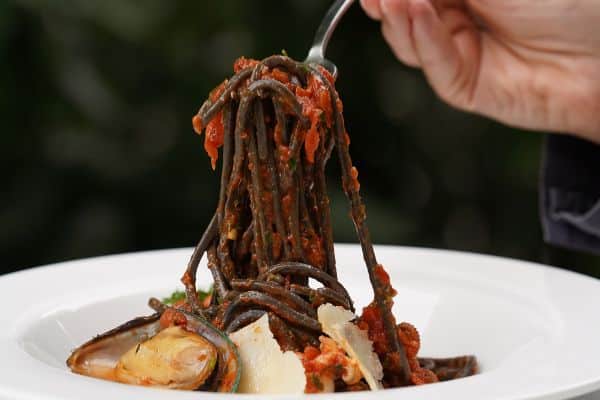
Sicily, an enchanting island in the heart of the Mediterranean, beckons visitors with its pristine beaches, rich history, and blended culture. Amidst its many treasures, Spaghetti al Nero di Seppie stands out as a culinary gem and is also known as “Squid Ink Pasta”. Combining the bounty of the surrounding sea from the ink sac of squid, this dark liquid is rich in flavor and when added to freshly cooked pasta, you’ll enjoy watching your dish turn black due to its natural coloring. Fresh seafood is a cornerstone of this dish and often includes calamari, cuttlefish, or even prawns that were caught nearby.
Ingredients
– 1 lb spaghetti
– 1 lb fresh squid or cuttlefish, cleaned and sliced
– 2 tbsp squid ink
– 3 tbsp extra virgin olive oil
– 2 cloves garlic, minced
– ½ cup dry white wine
– ½ cup cherry tomatoes (optional)
– 2 tbsp chopped fresh parsley
– Salt and pepper
Instructions
– Cook the spaghetti in salted water until al dente
– Meanwhile, heat olive oil in a large skillet
– Sauté the garlic until fragrant
– Add the squid and cook for 2–3 minutes
– Pour in the white wine and simmer until slightly reduced
– Stir in the squid ink until fully dissolved
– Add cherry tomatoes if using and simmer for another 5 minutes
– Toss the cooked spaghetti with the sauce, adding a splash of pasta water if needed
– Garnish with parsley and serve immediately
Savoring this Sicilian coastal cuisine is a must-try when visiting this island. The Spaghetti al Nero di Seppie is elegantly plated and garnished with freshly chopped parsley, offering a pop of color, and is proudly featured in local restaurants. Spaghetti al Nero di Seppie is not merely dinner, as it’s also a culinary celebration of Sicily’s deep-rooted connection to the sea. The ink sacs of squid have been harvested by Sicilian fishermen for generations and this dish pays homage to their maritime heritage. The use of squid ink, combined with fresh seafood and Mediterranean ingredients, exemplifies Sicily’s reliance on local resources and its ability to transform simple elements into a sensory masterpiece. You’ll always remember sampling this unique dish and watching your lips and teeth (temporarily) turn dark as you savor each bite.
Spaghetti alla Carbonara in Amalfi
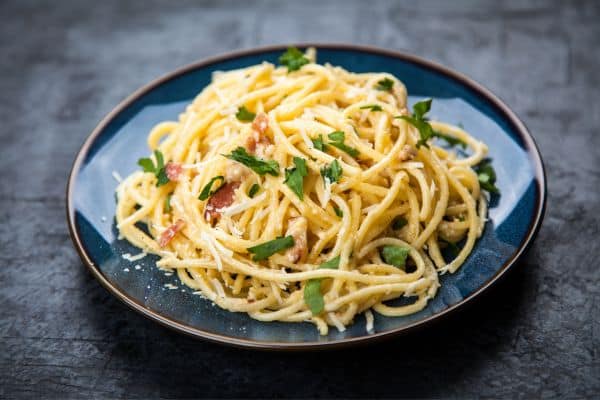
When it comes to iconic Italian pasta dishes, few can rival the rich and creamy allure of Spaghetti alla Carbonara. Popular around the country (and around the world), this dish has a special significance that extends to the sun-drenched Amalfi Coast. Just as the coastline seamlessly merges rugged cliffs with the azure sea, Spaghetti alla Carbonara marries simplicity with sophistication. With its simple yet indulgent ingredients, Spaghetti alla Carbonara stands as a true testament to the country’s love affair with food. All you’ll need for this recipe are:
Ingredients
– 1 lb spaghetti
– 6 oz pancetta, diced
– 3 large eggs
– 1 cup grated Pecorino Romano
– Freshly ground black pepper
– Salt
– 1 tbsp olive oil
Instructions
– Cook the spaghetti until al dente, reserving 1 cup of pasta water before draining
– Heat the olive oil in a skillet over medium heat
– Cook the pancetta until crispy and golden
– In a bowl, whisk together the eggs, Pecorino Romano, and a generous amount of black pepper
– Toss the hot pasta with the pancetta
– Remove from the heat and quickly stir in the egg mixture
– Add reserved pasta water a little at a time until the sauce is creamy and silky
– Serve immediately with extra Pecorino and black pepper
Cacio e Pepe in Rome
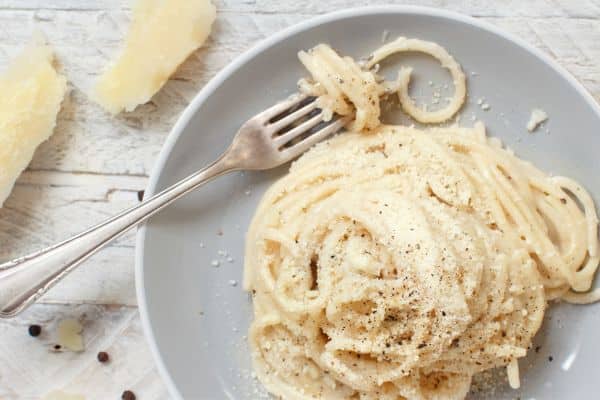
Amidst the historical sites and ancient allure of Rome, a dish that embodies the essence of Italian simplicity and artistry reigns supreme: Cacio e Pepe. This popular dish translates to “cheese and pepper” in Italian and has earned its place as a symbol of the Eternal City’s culinary identity. From its humble ingredients to its unparalleled creamy taste, Cacio e Pepe delights locals and visitors alike throughout this vibrant capital city.
Ingredients
– 1 lb tonnarelli or spaghetti
– 2 cups finely grated Pecorino Romano
– 2 tsp freshly cracked black pepper
– 1 cup reserved pasta water
– Salt
Instructions
– Cook the pasta in lightly salted water until al dente
– Reserve at least 1 cup of pasta water before draining
– Toast the black pepper in a large skillet over medium heat for about 1 minute
– Add a splash of pasta water to the skillet
– Toss the hot pasta into the skillet
– Gradually add the Pecorino Romano while tossing continuously
– Add more pasta water as needed until a smooth, creamy sauce forms
– Serve immediately with additional Pecorino and freshly cracked pepper
As a city steeped in history, Rome’s cuisine reflects the beauty of simplicity and the wisdom of using a handful of high-quality ingredients to create something extraordinary. Cacio e Pepe exemplifies this with its minimalistic ingredient list and uncomplicated preparation. The boldness of freshly ground black pepper and the sharp tang of Pecorino Romano cheese blend to create a symphony of flavors that harmonize perfectly. Whether enjoyed in a quaint trattoria or a bustling piazza, Cacio e Pepe is a dish that showcases the essence of Italian cuisine—using just a few high-quality ingredients to create a dish that’s greater than the sum of its parts.
Casunziei all’Ampezzana in the Dolomites
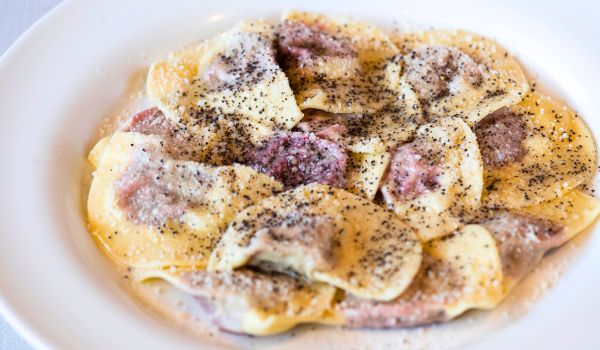
In the heart of the northern Dolomites, where the air is crisp and the views are breathtaking, you’ll find a pasta dish that’s as comforting as it is satisfying: Casunziei all’Ampezzana. Dig into a delicious plate of ravioli, where local ingredients are creatively transformed into a comforting dish year-round. In the shape of half-moons, these hearty ravioli are a testament to the region’s resourcefulness, as the filling varies with the seasons—green in spring, featuring spinach and chives, and red in winter, with vibrant beets and potatoes. The winter version, often made with roasted red beets, potatoes, and a touch of nutmeg, is as visually striking as it is buonissimo. Served with a simple yet luxurious sauce of browned butter and poppy seeds, this traditional dish perfectly balances earthy sweetness and nutty richness. Casunziei all’Ampezzana embodies the Dolomites’ rustic charm and culinary ingenuity, making it a must-try for anyone exploring this beautiful Northern Italian region.
Ingredients
For the Pasta
– 2 cups all-purpose flour
– 2 eggs
– Pinch of salt
For the Filling
– 2 medium roasted red beets, mashed
– 1 medium potato, cooked and mashed
– ¼ cup ricotta cheese
– 2 tbsp grated Parmesan
– Pinch of nutmeg
– Salt and pepper
Instructions
– Prepare the pasta dough and let it rest for 30 minutes
– Mix together the beet, potato, ricotta, Parmesan, nutmeg, salt, and pepper
– Roll out the pasta and cut into circles
– Place a spoonful of filling on each circle and fold into half-moon shapes, sealing the edges
– Cook in boiling salted water for 3–4 minutes, until they float
– Meanwhile, brown the butter in a skillet
– Toss the cooked casunziei with the browned butter
– You can sprinkle with poppy seeds and Parmesan before serving
Malloreddus alla Campidanese in Sardinia
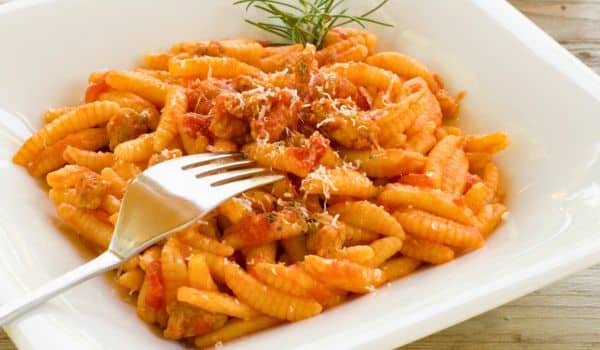
While on the island of Sardinia, be sure to try Malloreddus alla Campidanese. Let’s break down that Italian name: Malloreddus, which are tiny, ridged semolina pasta shells often referred to as “Sardinian gnocchi”, are one of the island’s most beloved traditional shapes. In the Campidanese style, that means they’re served with a slow-simmered sauce of sausage, tomato, onion, and garlic (sometimes fennel seeds too) and then finished with generous shavings of Pecorino cheese.
Ingredients
– 1 lb malloreddus (Sardinian gnocchi)
– 12 oz Italian sausage, removed from casing
– 1 small onion, finely chopped
– 2 cloves garlic, minced
– 1 tbsp olive oil
– 1 (28 oz) can crushed tomatoes
– ½ tsp fennel seeds (optional)
– Salt and pepper
– Fresh basil (optional)
– 1 cup grated Pecorino Sardo or Pecorino Romano
Instructions
– Heat the olive oil in a large skillet
– Brown the sausage, breaking it into small pieces
– Add the onion and cook until softened
– Stir in the garlic and fennel seeds
– Add the tomatoes and simmer for 30–40 minutes
– Cook the malloreddus until al dente
– Toss the pasta with the sauce
– Finish with grated Pecorino and fresh basil if desired
The ridges of the pasta are perfect for capturing plenty of the rich, savory sauce, creating a dish that feels both rustic and deeply satisfying. It’s a true reflection of Sardinian cooking: humble ingredients, bold flavor, and a strong connection to local pastoral traditions.
Pappardelle Pasta with Wild Boar Ragu in Tuscany
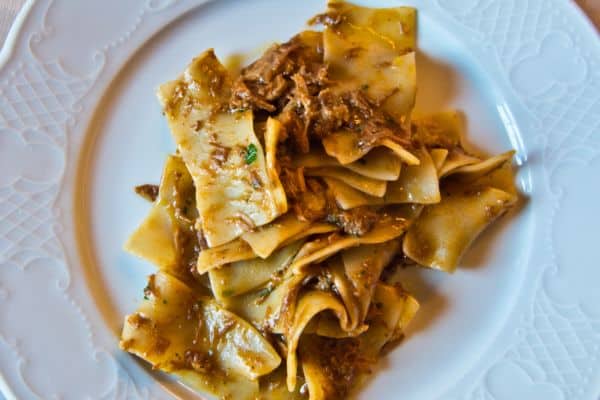
Among the rolling hills of Tuscany is a culinary masterpiece that captures the very essence of the region’s natural beauty—Pappardelle Pasta with Wild Boar Ragu. This dish is a tribute to Tuscany’s rich agricultural heritage and the connection between the land and its flavors. With every bite of tender pappardelle coated in a robust wild boar ragu, enjoy the satisfying ode to the region’s rugged landscapes and their longstanding tradition of wild boar hunting in Tuscany.
Ingredients
– 1 lb pappardelle
– 2 lbs wild boar, cut into small cubes (or beef chuck as a substitute)
– 2 tbsp olive oil
– 1 onion, diced
– 2 carrots, diced
– 2 celery stalks, diced
– 3 cloves garlic, minced
– 1 cup red wine
– 2 tbsp tomato paste
– 1 (28 oz) can crushed tomatoes
– 2 bay leaves
– 1 tsp rosemary
– Salt and pepper
– Freshly grated Parmesan
Instructions
– Heat the olive oil in a Dutch oven over medium-high heat
– Brown the wild boar in batches
– Add the onion, carrot, celery, and garlic and cook until softened
– Stir in the tomato paste
– Deglaze with the red wine and simmer until reduced
– Add the crushed tomatoes, bay leaves, rosemary, salt, and pepper
– Cover and simmer gently for 2½–3 hours, stirring occasionally
– Cook the pappardelle until al dente
– Toss the pasta with the ragù and serve with freshly grated Parmesan
Savoring each forkful of pappardelle, you’ll immerse yourself in their gastronomic hunting heritage, agricultural roots, and deep connection with the land. Pappardelle Pasta with Wild Boar Ragu encapsulates the rustic elegance of the region, enjoyed in simple trattorias and upscale restaurants throughout Tuscany. Buon Appetito!
Ready to explore Italy and indulge in delicious regional cuisine? Join us on our culinary and walking tours of Bella Italia!

Explore Italy