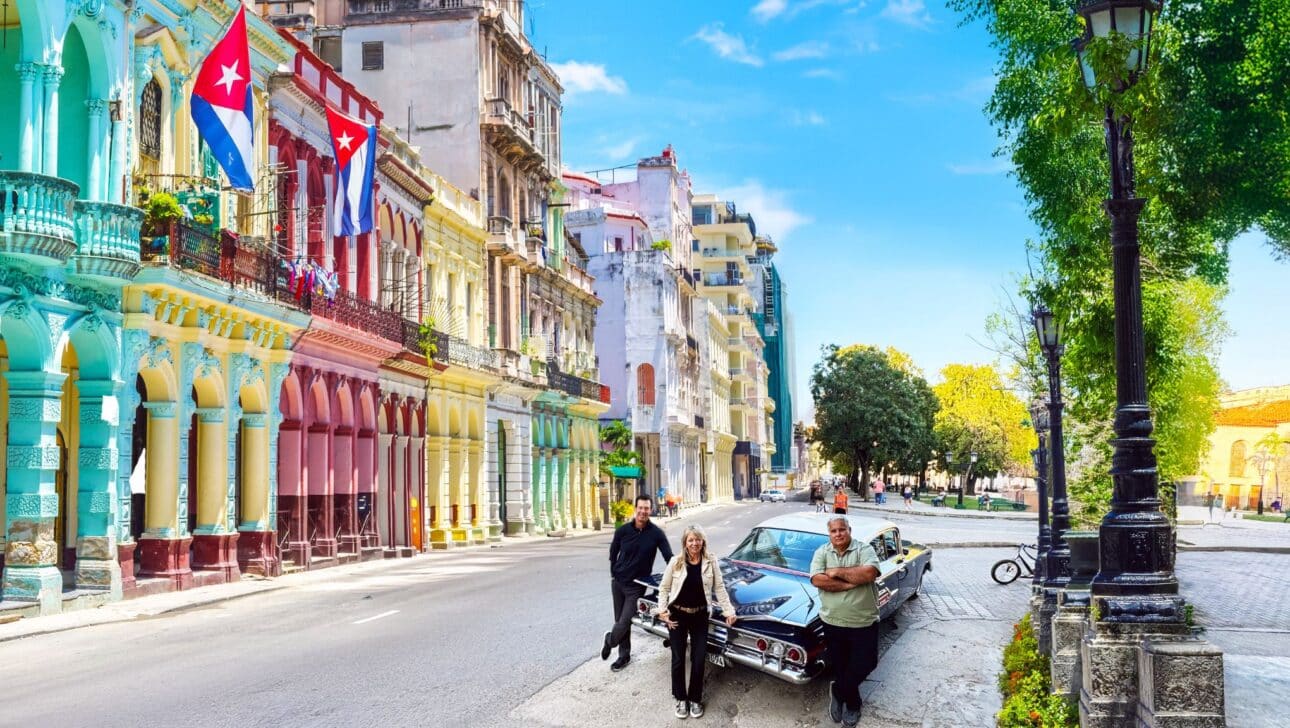
Cuba is in the headlines again—with stories about blackouts, fuel shortages, mosquito‑borne illnesses, and a struggling economy. Yet at the very same time, travelers are coming home from Classic Journeys trips to Cuba rating their experiences a 10 out of 10 and calling it one of the most meaningful journeys they’ve ever taken.
The reality on the ground

Cuba has been experiencing significant economic strain for several years, with inflation, shortages, and a fragile power grid receiving global coverage. Daily life can be hard for Cubans, yet travelers who go with small, deeply connected operators continue to find a country that is warm, creative, and surprisingly well set up to welcome them.
Classic Journeys guests (including those in the past weeks and months) have enjoyed full itineraries—walking in historic neighborhoods, meeting artists and musicians, dining in family‑run paladares, and spending time with local families—and have given their trips unanimous top marks in post‑tour reviews.
Much like Condé Nast Traveler has reported, many of the most interesting hoteliers, creators, and entrepreneurs are not just persevering but actively building something hopeful and beautiful in the midst of difficulty. For travelers who are curious, flexible, and interested in people‑to‑people connection, this can be an extraordinarily rewarding time to experience the island.
Fuel, blackouts, and your trip
Fuel shortages and power outages are real issues in Cuba—and they tend to dominate headlines. On tour, though, what matters is not whether these problems exist, but how well your operator and local partners manage around them.
- Blackouts are, candidly, part of daily life in Cuba and have been for years, even as they’ve become more frequent in global news stories. Responsible operators plan for that reality instead of pretending it doesn’t exist.
- Classic Journeys and its Cuba team have designed itineraries so that outages do not affect the guest experience in any meaningful way: every hotel used has confirmed that its generators or solar systems are fully operational, and these systems are regularly checked.
- Longtime drivers—who are well compensated and treated as key partners—plan ahead to ensure vehicles are fueled and ready, even when fuel is scarce for the general public.
Restaurant partners and hosts also have backup power and contingency plans so that meals and gatherings can continue comfortably even when there is a power outage. Guests certainly notice that Cuba’s infrastructure is under strain—but on a well‑run itinerary, they typically experience this as context, not chaos.
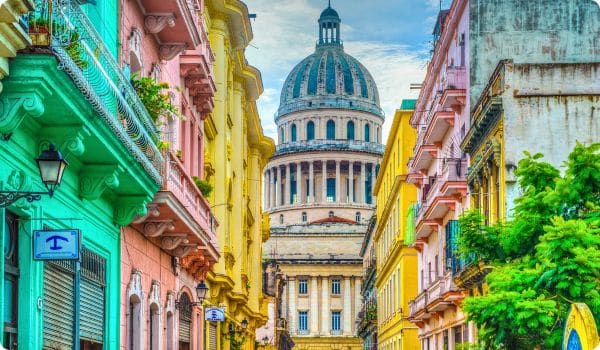
Health and mosquito‑borne viruses
Another concern that surfaces in current coverage is the rise in mosquito‑borne illnesses such as chikungunya and dengue. Health agencies and travel advisories are not telling visitors to stay away from Cuba specifically; instead, they recommend the same enhanced precautions they advise for many tropical destinations.
- Travelers are encouraged to wear insect repellent consistently, especially around dawn and dusk, and to consider long sleeves, long pants, socks, and closed shoes in higher‑risk areas.
- Responsible tour operators build these precautions into the trip: tour managers talk about them during welcome briefings, carry multiple bottles of quality repellent, and place additional repellent at hotel reception so it is always within easy reach.
- These are familiar, common‑sense steps for anyone who has traveled in the tropics; in Cuba, the key is taking them seriously but calmly, rather than treating them as a reason not to travel at all.
Guests who follow this guidance, supported by attentive guides, have continued to enjoy their trips without disruption while staying aligned with current health advice.
Why traveling now matters to Cubans
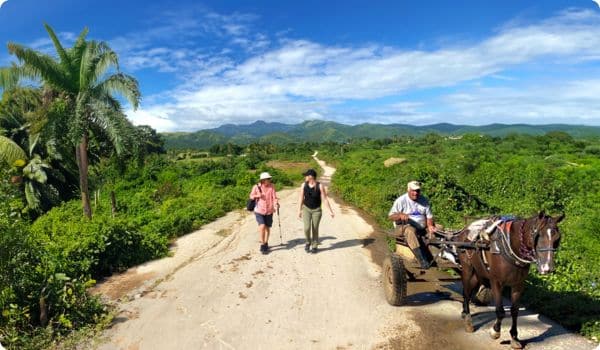
One of the most important parts of the Cuba story rarely makes the news: the role of independent Cuban entrepreneurs in hosting travelers and keeping their communities afloat.
- Since reforms allowing small and medium‑sized enterprises, a growing share of Cuba’s tourism‑related services—guesthouses, restaurants, transport, guiding—has shifted into private hands.
- On Classic Journeys trips, more than 97% of the people and businesses guests interact with are independent Cuban entrepreneurs: casa particular owners, chefs, drivers, dancers, historians, artists, and more.
- In an economy under prolonged strain, each trip represents a direct infusion of income into this private sector—supporting families, preserving historic properties, and encouraging the next generation of creators and hosts to stay and build something on the island.
Guests often say that this is what stays with them most: not just seeing Cuba, but knowing that their presence has a tangible, positive impact on the people who welcome them.
Choosing a Cuba trip with confidence
For travelers and observers alike, one of the central questions is: when is it responsible and rewarding to travel to Cuba—and with whom?
- Legally, Americans can still travel to Cuba under specific categories such as “Support for the Cuban People,” which is how Classic Journeys has long operated its small‑group journeys. These programs emphasize meaningful, direct engagement with Cuban people and private businesses rather than state‑run resorts.
- Operationally, the difference between a frustrating trip and a transformative one often comes down to relationships and preparation:
- Daily contact between U.S.‑based teams and on‑the‑ground guides and hoteliers.
- Proactive planning for blackouts and fuel shortages.
- Thoughtful health protocols and clear guest communication.
- When these elements are in place, guests can focus on what drew them to Cuba in the first place: walking its streets at eye level, listening to live music in intimate venues, talking with artists in their studios, and experiencing a country that is complex, resilient, and deeply human.
For Classic Journeys, Cuba is not an abstract “market”—it’s a place where the founders and team spend real time with friends, partners, and guests. That dual commitment—to guests and to Cubans—is what underpins the confidence to keep traveling there, even amid challenging headlines.
Anyone considering a trip, or wanting to learn more, is welcome to reach out with questions about current conditions, health guidance, legal requirements, or what day‑to‑day life on tour looks like right now. The goal is the same for everyone: honest, grounded information that helps travelers make informed, confident decisions about discovering Cuba.

Explore Cuba

Cuba Travel Update: Classic Journeys Tours Remain Fully Compliant and Uniquely Authentic
By Classic Journeys