Looking to savor a taste of Japan that’s both deeply comforting and quietly nourishing? Miso Soup is a timeless staple of Japanese cuisine, enjoyed daily across the country. Simple in appearance yet rich in tradition, it has been part of Japanese life for more than a thousand years, valued for its restorative qualities and balance of flavors. Often served at breakfast, lunch, and dinner, it’s less a starter and more a grounding ritual.
After a day exploring the carefully curated experiences of our Classic Journeys Japan itinerary — from serene temple walks and historic neighborhoods to scenic walking paths through traditional villages — there’s nothing more satisfying than a warm bowl of miso soup. Light yet nourishing, each sip reflects Japan’s philosophy of harmony, seasonality, and mindful living. Whether you’re discovering Japan with Classic Journeys or recreating the experience at home, miso soup offers a simple, soulful way to connect with the culture. Grab a bowl and join us!
Get The Recipe
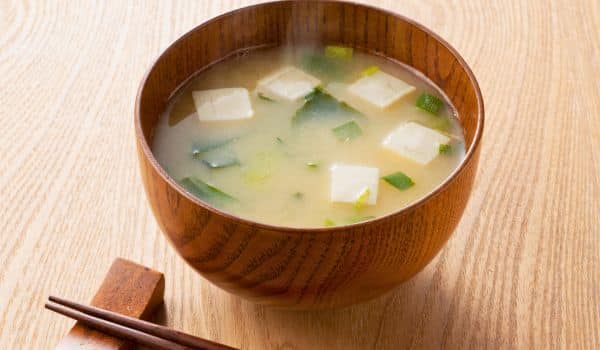
To make a bowl of classic Japanese miso soup at home, start with dashi, a light stock traditionally made from kombu (seaweed). Gently warm the broth, then add tofu and seaweed before finishing with miso paste, stirred in off the heat to preserve its flavor and nutrients. It’s a deceptively simple dish that rewards care and attention.
Ingredients:
- Dashi Stock: 4 cups *Made from 1 piece dried kombu (about 4–6 inches) or 1 teaspoon instant dashi granules
- Miso Paste: 3–4 tablespoons (white or yellow)
- Soft Tofu: 7 ounces, cubed
- Dried Wakame Seaweed: 1 tablespoon
- Scallions: 2, thinly sliced

Steps to Make Miso Soup:
- Prepare the Dashi: Bring the dashi stock to a gentle simmer over medium heat. Do not boil.
- Add Tofu and Seaweed: Add the tofu and rehydrated wakame, simmering gently for 2–3 minutes.
- Incorporate the Miso: Remove the pot from heat. Dissolve the miso paste in a small ladle of warm broth, then stir it back into the pot.
- Finish and Serve: Taste and adjust if needed. Garnish with sliced scallions and serve immediately.
This recipe serves 2–3 and is best enjoyed fresh, just as it’s served throughout Japan — simple, balanced, and quietly satisfying. Enjoy from the comfort of your own home!

Explore Japan

When “Everything” Means “Average”: Rethinking the Multi‑Sport Vacation
By Classic Journeys