How to Plan a Trip to Scotland: A Complete Guide
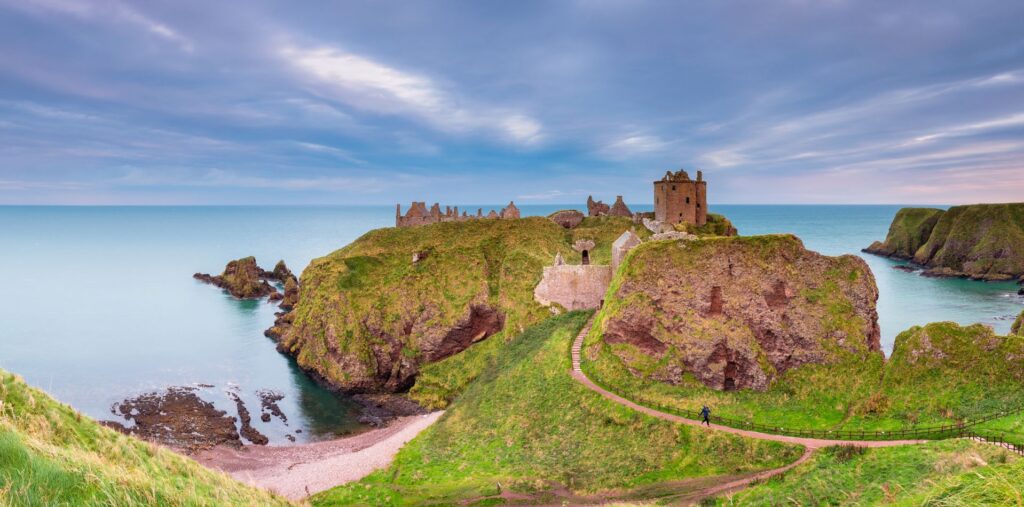
Scotland has a way of ruining future vacations.
Spend a week wandering through the Highlands, exploring Edinburgh’s historic streets, and ending your days in small towns where locals still know one another, and suddenly other trips feel a little less dramatic. The problem isn’t deciding whether Scotland is worth visiting. For most travelers, it’s figuring out how to fit everything they want to see into a single trip.
That’s exactly why a good Scotland travel guide matters. Whether you’re visiting for five days or two weeks, understanding how to plan a trip to Scotland can help you focus on the regions, experiences, and pace of travel that are right for you.
Why Scotland Should Be Your Next Trip
Any Scotland travel guide will tell you about the country’s castles, whisky, and famous landscapes. What makes Scotland particularly special though is how easily all of those elements come together in one single trip.
One day might begin with a walk through Edinburgh’s historic streets and end with dinner in a centuries-old pub. The next could take you into the Highlands, where winding roads lead past mountains, lakes, and some of the most beautiful scenery in the United Kingdom.
What I love about Scotland is how quickly the scenery changes. You can spend the morning wandering Edinburgh’s historic streets and by afternoon find yourself driving through the Highlands with mountains, lochs, and empty stretches of road in every direction. Few destinations pack that much variety into a single trip.
And while the castles, whisky distilleries, and famous landmarks tend to get the headlines, they’re rarely the moments people talk about most when they get home. More often, it’s the unexpected viewpoint at the end of a trail, a conversation with a local in a village pub, or the stretch of road where everyone in the car suddenly falls silent because the scenery is that good.
Perhaps most importantly, Scotland rewards curiosity. The travelers who get the most out of the country aren’t always the ones checking off famous landmarks. They’re the ones who stop at the unexpected viewpoint, follow a local recommendation, or take the extra path just to see where it leads.
Some of the moments people remember most aren’t planned. They’re the conversations in a village pub, the quiet stretch of Highland road that takes your breath away, or the hidden corner of a town you discover by accident.
That’s part of Scotland’s appeal. The major attractions are memorable, but it’s often the unexpected moments in between that stay with you longest.
Getting To and Around Scotland
Scotland looks deceptively small on a map. Then you start plotting Edinburgh, the Highlands, Loch Ness, St. Andrews, and the Isle of Skye, and suddenly transportation becomes one of the most important parts of your itinerary.
Understanding how to plan a trip to Scotland means deciding how much flexibility you want once you arrive. Some travelers love the freedom of a rental car, while others would rather spend their time enjoying the scenery than navigating unfamiliar roads.
Cities like Edinburgh are highly walkable and well connected by public transportation, while exploring the Highlands, coastal villages, and more remote countryside requires a bit more planning. Some travelers prefer the independence of renting a car, while others choose guided transportation to avoid navigating unfamiliar roads and logistics.
Flying Into Scotland
If you’re traveling from North America, my advice is simple: don’t chase the cheapest airfare if it adds an entire day of hassle to your trip.
On paper, flying through London and connecting onward to Scotland can sometimes look like a bargain. In reality, that lower fare often comes with airport transfers, extra waiting, delayed connections, and several additional hours of travel. By the time you arrive, you’ve spent the better part of a day navigating logistics instead of enjoying Scotland.
For most travelers, flying directly into Edinburgh or Glasgow is worth the extra cost. Edinburgh is often the best choice for those planning to visit Edinburgh, St. Andrews, or eastern Scotland, while Glasgow works particularly well for travelers focused on western Scotland and the Highlands.
That’s not to say London should be ruled out entirely. If you’re planning to spend time in England before heading north, arriving in London can make perfect sense. But if Scotland is the main event, most travelers find that starting there saves time, energy, and a surprising amount of stress.
Trains From London and Within Scotland
If you’re already planning to spend time in London, taking the train to Scotland is surprisingly easy. Direct LNER trains run from London King’s Cross to Edinburgh and take about four and a half hours. The journey is comfortable, scenic, and often less stressful than dealing with another flight. If you know your travel dates in advance, booking tickets early can save a significant amount of money.
Once you’re in Scotland, trains make it easy to travel between major destinations like Edinburgh, Glasgow, and Inverness. They’re a great option if your itinerary focuses on cities and larger towns. However, some of Scotland’s most beautiful places are a bit harder to reach by rail, particularly in the Highlands and more remote regions.
For many travelers, the best approach is a combination of transportation options. Trains work well for covering longer distances, while guided transportation, local buses, or rental cars can help you reach the places that aren’t as well connected.
Renting a Car vs. Guided Transport
Renting a car gives you the most freedom in Scotland, especially if you want to reach smaller villages, stop for scenic viewpoints, and move through the countryside at your own pace. If your itinerary includes the Highlands, the Isle of Skye, or other rural areas, having a car can make it easier to reach places that aren’t always well served by public transportation.
That said, driving in Scotland isn’t for everyone. Visitors from North America will need to adjust to driving on the left side of the road, and many rural roads can be narrow and windy. While most travelers adapt quickly, it can add an extra layer of stress, especially in unfamiliar areas.
Guided transportation removes much of that hassle. Instead of focusing on directions, parking, and road conditions, travelers can spend more time enjoying the scenery and experiences around them. For those interested in walking heavy itineraries, guided tours can be an especially appealing option because transportation, accommodations, and daily logistics are all handled for you.
Going With a Tour Operator
For travelers who would rather focus on the experience than the logistics, working with a tour operator can be an appealing option. Instead of coordinating transportation, accommodations, route planning, and daily activities yourself, much of the work is handled before you even arrive.
This can be especially helpful in Scotland, where travel times are often longer than they appear on a map and some of the most rewarding destinations are spread across different regions. Rather than worrying about driving, parking, or navigating unfamiliar roads, travelers can spend more time enjoying the scenery, history, and local culture.
Many travelers choose small group tours because they simplify the planning process while still allowing for meaningful exploration. For those interested in a more active experience, walking Scotland tours are another optionworth considering. Learn more in our guide to Small Group Tours in Scotland.
Walking and Public Transport in the Cities
One of the nice things about visiting Scotland is that you don’t necessarily need a car for your entire trip. Edinburgh, in particular, is an extremely walkable city. Many of its major attractions, including Edinburgh Castle, the Royal Mile, and much of the Old Town, can easily be explored on foot.
If you’re staying within the cities, public transportation is straightforward and reliable. Edinburgh and Glasgow both have extensive bus networks, and trains make it easy to travel between major destinations throughout the country. Many travelers spend several days exploring Scotland’s cities without needing a car at all.
The tradeoff is flexibility. While public transportation works well in urban areas and along major routes, it doesn’t always provide the same access to remote Highland landscapes, coastal regions, and smaller villages that many visitors hope to experience. For travelers planning to spend significant time outside the cities, combining public transportation with guided excursions or a rental car tends to be the most practical approach.
Best Time of Year to Visit Scotland
Some travelers swear by Scotland’s long summer evenings, when daylight seems to last forever. Others will tell you September is the real secret, with smaller crowds, beautiful fall colors, and a more relaxed pace.
Understanding how to plan a trip to Scotland starts with deciding what matters most to you. Weather, daylight hours, hiking conditions, crowd levels, and pricing all change throughout the year, and each season comes with its own tradeoffs. The good news is that Scotland rewards travelers year-round—you just need to choose the experience you’re looking for.
Peak Season (May–August)
If you’ve ever seen photos of people hiking through the Highlands under blue skies at 9 p.m., chances are they were taken during Scotland’s summer months. Long daylight hours are one of the biggest advantages of visiting between May and August, giving travelers more time to explore, hike, and enjoy the scenery.
The downside is that you’re not the only one with this idea. Popular destinations tend to be busier, accommodations fill faster, and prices are often at their highest. If you’re heading into the Highlands, it’s also worth knowing about midges, which are small biting insects that can be quite annoying during the warmer summer months, especially near water and around sunrise or sunset.
Shoulder Season (April, September–October)
April, September, and October often offer some of the best balance between weather, crowds, and pricing in Scotland. These months sit just outside the busy summer season, allowing travelers to enjoy many of the same landscapes and experiences without quite as many visitors. Spring brings blooming hillsides, fresh greenery, and steadily lengthening days, while September and October offer changing colors and a quieter atmosphere as summer crowds begin to fade.
The weather can be a bit less predictable than in peak season, but that’s true of Scotland at almost any time of year. For travelers who don’t mind packing an extra layer and a rain jacket, these months often provide some of the most enjoyable conditions for exploring the country.
Off-Season (November–March)
The off-season can be a great option for travelers who don’t mind cooler temperatures and shorter days. You’ll typically find fewer visitors, lower accommodation prices, and a quieter experience at many of Scotland’s most popular sites. The tradeoff is less predictable weather, limited daylight, and occasional seasonal closures, particularly in more remote areas.
How to Avoid the Crowds
One of the easiest ways to improve a trip without spending more money is simply choosing your timing carefully. Any good Scotland travel guide will tell you that visiting popular attractions early in the morning or later in the afternoon can completely change the experience. The same castle, viewpoint, or walking trail often feels very different when you’re sharing it with a handful of visitors instead of a tour bus full of people. Pair that with shoulder-season travel, and you’ll often enjoy a quieter, more relaxed side of Scotland.
The Must-Hit Cities and Sites on Your Trip
One of the hardest parts of using a Scotland travel guide is deciding what to leave out. Scotland packs an incredible amount of variety into a relatively small country. Within a single trip, you can explore historic cities, Highland landscapes, coastal villages, and places that feel completely removed from modern life.
Most first-time visitors have a better experience when they focus on a few regions and explore them well rather than trying to see everything at once.
The destinations below are some of the most rewarding places to include on a Scotland itinerary and offer an excellent introduction to the country’s history, culture, and landscapes. For additional inspiration, be sure to explore our guide to Things to Do in Scotland.
Edinburgh
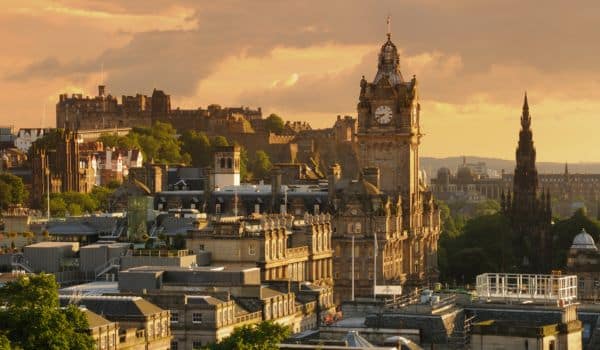
For many travelers, Edinburgh is where a trip to Scotland begins. The city combines centuries of history with a lively atmosphere, making it an easy place to spend several days before heading into the countryside. Edinburgh Castle dominates the skyline, while the Royal Mile connects many of the city’s most famous landmarks through the heart of the Old Town.
What makes Edinburgh especially appealing is how easy it is to explore. You can spend the morning visiting historic sites and museums, then wander into a neighborhood filled with cafés, shops, restaurants, and local pubs. Whether you’re interested in history, architecture, food, or simply soaking up the atmosphere, Edinburgh provides an excellent introduction to Scotland and serves as a natural starting point for many first-time visitors.
Isle of Skye and Portree
If you’ve ever seen a photo of Scotland and immediately wanted to book a trip, there’s a good chance it was taken on the Isle of Skye. Known for its dramatic landscapes, rugged coastline, and mountain scenery, Skye is one of the country’s most iconic destinations.
Portree, the island’s largest town, makes a convenient base for exploring the area. From here, travelers can visit famous sights like the Old Man of Storr, Kilt Rock, and the Quiraing, while also enjoying the town’s colorful harbor, restaurants, and local shops. Even for visitors who aren’t planning long hikes, Skye’s scenery is worth the journey and offers some of the most memorable views in the region.
[H3] Inverness and the Highlands
For many travelers, Inverness serves as the gateway to the Scottish Highlands. The city itself is easy to navigate and makes a convenient base for exploring some of the region’s most famous sights, including Loch Ness, Culloden Battlefield, and the surrounding countryside.
From Inverness, it’s easy to venture deeper into the Highlands, where you’ll find mountain scenery, historic sites, and countless opportunities to get outdoors. The region is also home to some of Scotland’s best walking and hiking trails, ranging from more relaxed woodland paths to more challenging routes through the hills. For ideas on where to go, explore our guide to the Best Day Hiking Trails in Scotland.
St. Andrews and the East Coast
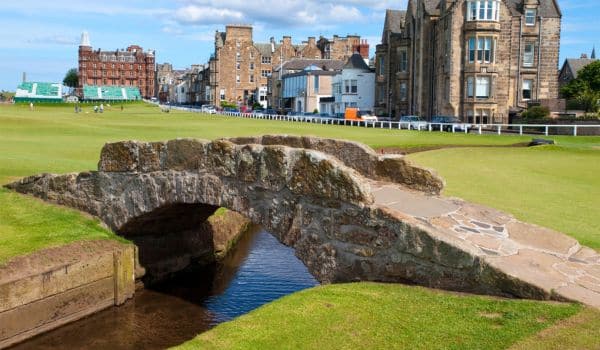
St. Andrews is best known as the home of golf, but there’s plenty to enjoy even if you’ve never picked up a club. The town is filled with historic buildings, coastal views, and plenty of places to wander, whether you’reexploring the ruins of St. Andrews Cathedral or walking along West Sands Beach.
Beyond St. Andrews, Scotland’s east coast has no shortage of charming fishing villages, beautiful stretches of coastline, and smaller towns that are easy to miss if you’re focused solely on the Highlands. It’s a different side of Scotland, one that combines history, scenery, and a more mellow coastal feel. For many travelers, it provides a nice contrast to the mountains and lochs found elsewhere in the country.
Glencoe and Loch Ness
If you’re picturing the kind of scenery that made you want to visit Scotland in the first place, there’s a good chance you’re thinking of places like Glencoe. Surrounded by towering mountains and sweeping valleys, it’s one of those places that looks impressive in photos but somehow feels even bigger in person.
Many travelers pair Glencoe with a visit to Loch Ness, which is an easy addition to a Highlands itinerary. Yes, the famous monster stories are part of the appeal, but most visitors end up talking about the scenery instead. Between the mountains, lochs, and endless viewpoints along the way, this part of the Highlands delivers some of the most memorable landscapes in Scotland.
How Many Days You Need in Scotland
One of the most common questions travelers ask is how many days do you need in Scotland. While it’s possible to see some highlights in a long weekend, Scotland is the kind of destination that rewards travelers who give themselves a little extra time.
Three days is generally the practical minimum. With a long weekend, you can explore Edinburgh, visit the castle, walk the Royal Mile, and squeeze in a day trip to the surrounding countryside. It’s enough to get a taste of Scotland, but you’ll likely leave wishing you had more time.
For many travelers, seven days is the sweet spot. A one-week Scotland itinerary allows enough time to combine Edinburgh with destinations like the Highlands, Loch Ness, St. Andrews, or the Isle of Skye without feeling like you’re constantly packing and unpacking. It also leaves room for scenic walks, local experiences, and the unexpected discoveries that often become trip highlights.
If you have 10 days or more, you’ll have the flexibility to explore at a more relaxed pace, spend additional time in the Highlands, or venture to regions that many first-time visitors miss. The extra time often means less time in transit and more time actually experiencing Scotland.
Our guide to Scotland vs Ireland can help you determine which trip is the better fit.
Sample Scotland Itineraries by Length
One of the biggest challenges when planning a Scotland trip is deciding what can realistically fit into the time you have available. While it can be tempting to see as much as possible, most travelers enjoy their trip more when they focus on a few regions rather than constantly moving from place to place.
The sample itineraries below are designed to show what a realistic Scotland itinerary might look like in three, five, or seven days. Think of them as starting points rather than strict schedules. The best Scotland trip itinerary is ultimately the one that matches your interests, priorities, and travel pace.
3-Day Itinerary: Edinburgh and a Highlands Day Trip
Day 1: Arrive in Edinburgh and spend the day exploring the city’s highlights, including Edinburgh Castle, the Royal Mile, and the historic Old Town.
Day 2: Take a day trip into the Highlands. Many tours visit iconic locations such as Glencoe, Loch Ness, and the surrounding countryside, giving you a taste of Scotland’s famous landscapes without changing hotels.
Day 3: Enjoy a final morning in Edinburgh. Depending on your interests, you might visit a museum, explore a local neighborhood, or take in views from Arthur’s Seat before heading to the airport.
While three days isn’t enough to see everything, it’s enough to experience both Scotland’s capital and its stunning scenery.
5-Day Itinerary: Edinburgh and a Highlands Taste
Day 1: Arrive in Edinburgh and spend the day exploring the city’s historic center, including Edinburgh Castle and the Royal Mile.
Day 2: Continue exploring Edinburgh before traveling north toward the Highlands.
Day 3: Spend a full day in the Highlands visiting scenic areas such as Glencoe, Loch Ness, or Cairngorms National Park. Stay overnight to experience the region beyond a quick day trip.
Day 4: Enjoy another morning in the Highlands before making your way back toward Edinburgh, stopping at viewpoints, villages, or historic sites along the way.
Day 5: Depart Scotland or enjoy a final morning in Edinburgh before your flight home.
This itinerary provides a more balanced introduction to Scotland while allowing time to experience the Highlands at a more relaxed pace.
7-Day Itinerary: Edinburgh, Skye, and the Highlands
Days 1–2: Arrive in Edinburgh and spend time exploring the city’s historic sites, neighborhoods, and local food scene.
Days 3–4: Head into the Highlands, stopping at places like Glencoe, Loch Ness, and Inverness along the way. Take time to explore beyond the major viewpoints and enjoy some of the region’s most famous scenery.
Days 5–6: Continue to the Isle of Skye, where you can spend your days exploring coastal landscapes, scenic drives, and some of Scotland’s most rewarding walking routes.
Day 7: Return to Edinburgh for a final evening or your departure flight.
Many walking Scotland tours are built around a similar one-week timeframe because it allows travelers to experience Edinburgh, Skye, and the Highlands without feeling rushed.
Important Things to Know Before You Go
Beyond deciding where to visit and how long to stay, there are a few practical things to know before visiting Scotland. Understanding entry requirements, budgeting, payment methods, and connectivity can help you avoid surprises and make your trip go more smoothly. The sections below cover a few of the basics worth knowing before you go.
Entry Requirements and Travel Documents
Before traveling to Scotland, make sure your passport is valid for the duration of your trip and check the latest entry requirements before departure. Scotland is part of the United Kingdom, and entry rules can change over time.
Many visitors from the United States can travel to the UK without a traditional visa for short tourism visits, but additional requirements, such as an Electronic Travel Authorization (ETA), may apply depending on current regulations. Because requirements can change, it’s always a good idea to confirm the latest information through official government sources before finalizing your travel plans.
What It Costs to Travel in Scotland
Scotland can be enjoyed on a wide range of budgets. Budget travelers typically spend around $100-$175 per day, especially when staying in hostels or simple guesthouses and relying on public transportation. A more typical mid-range trip, including comfortable hotels, restaurant meals, and a mix of activities, often falls in the $200-$400 per day range.
For travelers seeking a luxury experience, daily costs can easily exceed $500 per person, particularly when staying in upscale hotels, booking private transportation, or choosing guided experiences. Keep in mind that costs tend to be highest during the summer months and in popular destinations like Edinburgh and the Isle of Skye.
Money, Cards, and Cash in Scotland
Credit and debit cards are widely accepted throughout Scotland, and many travelers can get by using a card for almost everything. Contactless payment is common, even for small purchases like coffee or public transportation.
That said, it’s still a good idea to carry a little cash, especially if you’re visiting smaller villages, local markets, or more remote parts of the Highlands. ATMs are easy to find in cities and larger towns, but they can be less common in rural areas.
The currency in Scotland is the British pound, the same currency used throughout the rest of the United Kingdom. It’s always helpful to notify your bank of your travel plans before departure.
Staying Connected: Cell Service and Wi-Fi
Most travelers have little trouble staying connected in Scotland. Many mobile providers offer international roaming plans, though an eSIM can often be a more affordable option for longer trips. Before you travel, it’s worth comparing the costs and convenience of each.
Wi-Fi is widely available in hotels, restaurants, and other public spaces, particularly in cities like Edinburgh and Glasgow. Service is generally reliable in populated areas, though cell coverage and internet speeds can be less consistent in remote parts of the Highlands and islands.
Travelers from North America should also remember to pack a UK power adapter, as Scotland uses different electrical outlets than the United States and Canada.
Planning the Trip That Fits You
The easiest mistake people make when planning a Scotland trip is trying to fit everything into a single visit. Scotland rewards curiosity. Some travelers leave talking about Edinburgh’s history and architecture. Others can’t stop thinking about the Highlands, a favorite walk, or a small village they stumbled upon along the way.
If I were planning my first trip, I’d focus less on checking landmarks off a list and more on choosing the experiences that genuinely excite me. That’s usually what people remember years later—not how many places they visited, but the moments that surprised them.
One of the best things about Scotland is that it almost always leaves travelers with a list of places they’d love to return to. That’s not a sign you missed something. It’s part of the experience.