Peru Itinerary: How to Plan Your Trip to Peru
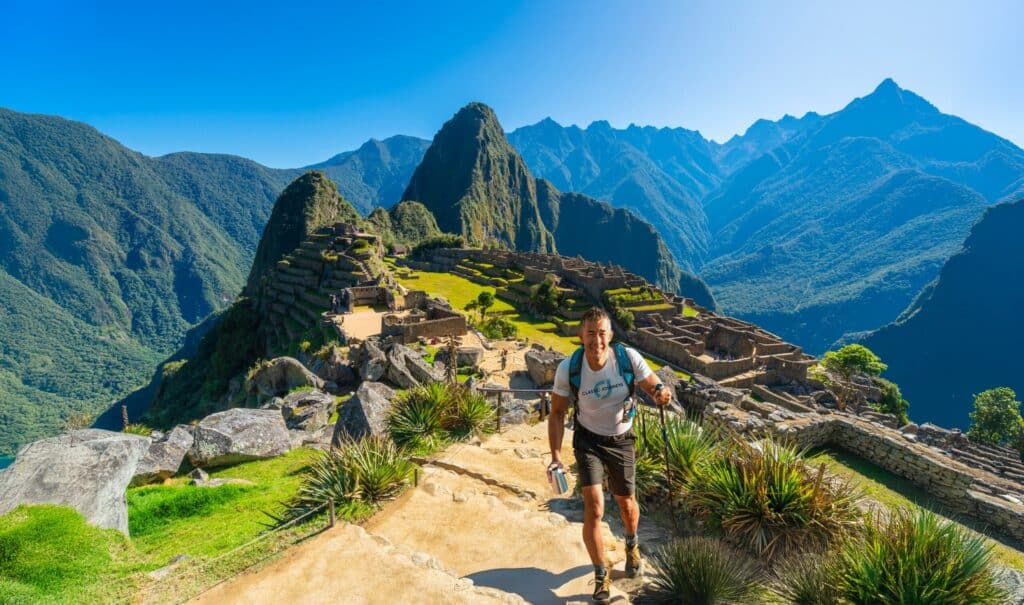
Peru has a way of making travelers want to see and do just a little more each day. From the flavors of Lima and the historic streets of Cusco to the iconic Machu Picchu and the lush Amazon rainforest, you’ll want to plan ahead to explore as much as possible.
We know that with an abundance of culture, cuisine, history, and scenery to experience, organizing your first trip to Peru can feel daunting. But we like to think of that as part of the adventure.
Whether you’re only traveling for a week or can stay longer, we’ve got you covered. And with our helpful travel tips and sample itineraries, your ideal trip is waiting for you.
Is Peru Worth Visiting?
Whatever draws you, I can assure you that there is something for everyone when vacationing in Peru. Spending time in “the land of the Incas” feels like several amazing journeys woven into one. During a trip to Peru, you can savor Lima’s rich flavors, explore historic cities, visit remote highland villages, spot wildlife in the Amazon, get up close to ancient Inca sites, and make the unforgettable trek to Machu Picchu.
You don’t have to be a history buff to be in awe of the ancient ruins or an outdoor enthusiast to admire the beautiful landscapes. You can simply visit Peru to enjoy scenery, food, nature, and the pleasure of being somewhere completely unlike your home.
Why travel to Peru? While the answer varies depending on what you’d personally like to experience, a true highlight for almost all visitors is Machu Picchu. It’s probably at the top of your must-see list, so let’s make sure it happens seamlessly.
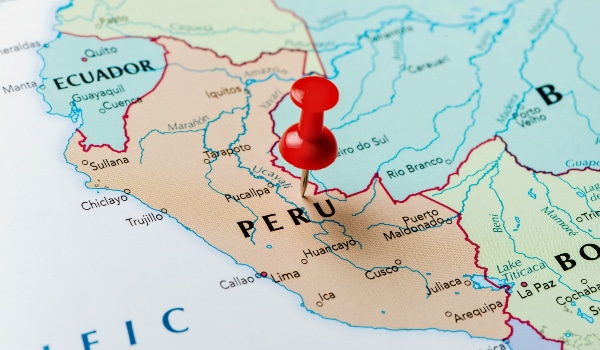
Where to Go on Your First Trip to Peru
If this is your first time visiting, the best way to see Peru is to experience it all gradually. I know it’s tempting to head straight to Machu Picchu, but that isn’t a smart strategy.
You’ll want to start in Lima, where you’ll feel ocean breezes, visit contemporary galleries, and get to enjoy some of South America’s best restaurants after arriving. And since almost all international flights land in Lima from abroad, it’s an easy way to begin your Peruvian journey.
Then head into the heart of a vacation in Peru, South America, in the Cusco region. Ease into the altitude in the Sacred Valley, where terraced hillsides, quiet villages, textile traditions, and Inca ruins set a beautiful scene. Take some time to explore local markets, walk among the towering stonework of Ollantaytambo, visit the Maras salt mines, and enjoy the views of the jagged Andean peaks.
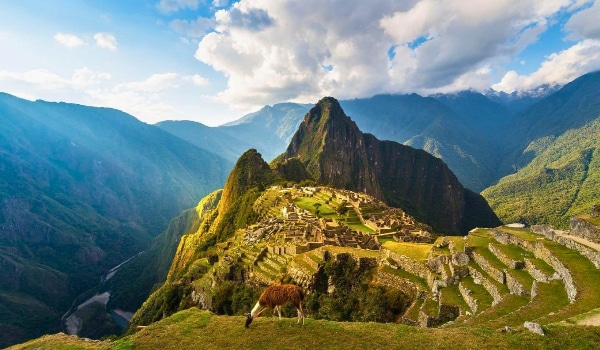
Then continue by train or on foot toward Machu Picchu, the unforgettable citadel poised between the Andes and the Amazon. Did you know that UNESCO recognizes it for both cultural and natural significance for its ancient Inca architecture? You won’t want to miss it.
The best way to visit Peru is not to stop after seeing its most famous sight. If time allows, consider spending a few days in the Amazon or at Lake Titicaca. These nature excursions offer an entirely different side of Peru that is worth the trek.
In a week, you’ll be able to seamlessly combine Lima, the Sacred Valley, Machu Picchu, and Cusco for your first trip. While you’ll see and do plenty with this plan, don’t forget to pace yourself and leave room for lingering over meals, meeting locals, and enjoying spontaneous moments along the way.
How Many Days Do You Need in Peru?

For your first trip to Peru, we recommend spending at least a week. That gives you time to enjoy Lima’s lively food scene, adjust to the altitude in Cusco, explore the Sacred Valley, and then experience the magic of Machu Picchu.
If you have a few extra days, I’d add a completely different side of the country: the wildlife-rich Amazon or the highland landscapes of Lake Titicaca. The key is not to rush these incredible places or underestimate the time it takes to get between. Our advice? Choose fewer places, stay longer, and leave space for the unexpected moments that will make your Peruvian trip unforgettable.
PRO TIP: Altitude (and not just map distance) should guide your pace in Peru. Based on our experience, you’ll want to allow at least two full days to adjust to the high terrain before exploring further.
7 Days in Peru: The Classic First Trip
Do you only have 1 week in Peru? We want you to see as much as possible, while still being mindful of in-country travel and altitude. This means starting in Lima, flying to Cusco, spending time in the Sacred Valley, and seeing iconic Machu Picchu during your trip.
Each destination offers diverse landscapes and history, so you’ll feel like you’ve explored for more than a week. Managing it all is very approachable with some advance planning (and tickets) for the perfect trip. If this is your first time, here is the ideal Peru 7-day itinerary:

Sample 7-Day Peru Itinerary
This classic Machu Picchu itinerary begins in Lima’s vibrant streets, climbs into the Sacred Valley’s hills, and culminates at Machu Picchu’s stone terraces. In just a week, you’ll have explored the capital city, remote valleys and villages, the Andes Mountains, and one of the world’s most breathtaking landscapes. You’ll come home feeling like you’ve been away for much longer since you’ve seen and done so much.
- Day 1: Arrive in Lima and explore the city
- Day 2: Flight to Cusco to adjust to the altitude
- Day 3: Spend time in the Sacred Valley exploring the Incan village of Ollantaytambo
- Day 4: Visit the ruins of Pisac and the Maras Salt Mines
- Day 5: Short Inca Trail to the Sun Gate
- Day 6: Explore Machu Picchu & Temple of the Sun
- Day 7: Transfer day to take the train from Aguas Calientes to Ollantaytambo, ride to Cusco and fly to Lima
10 Days in Peru: Adding a Second Region
If you have more time to explore, we’d recommend adding a trip to the Amazon in your 10-day Peru itinerary. You’ll never forget exploring the second-largest portion of the Amazon rainforest as you travel through Peru.
Once you step off the boat and into the warm air, you’ll be surrounded by vibrant green all around you. The jungle seems to hum with cicadas, frogs, and the sounds of monkeys for the ultimate nature adventure. We always suggest exploring with a local guide here, as they’ll help you spot wildlife (and keep you safe) on an immersive Amazon experience.
Suggested 10-Day Peru Itinerary
If you’re able to extend your time in Peru, we think you should explore the Amazon. Leave behind the cities and popular sites for another world of lush rainforests, winding rivers, and active wildlife.
You’ll always remember spotting colorful macaws, playful monkeys and giant river otters in this remote nature setting that’s so far from life back home. Don’t forget your camera and bug spray!
- Day 1: Arrive in Lima and explore the city
- Day 2: Flight to Cusco to adjust to the altitude
- Day 3: Spend time in the Sacred Valley exploring the Incan village of Ollantaytambo
- Day 4: Visit the ruins of Pisac and Maras Salt Mines
- Day 5: Short Inca Trail to the Sun Gate
- Day 6: Explore Machu Picchu & Temple of the Sun
- Day 7: Transfer day to take the train from Aguas Calientes to Ollantaytambo, ride to Cusco to stay for the night
- Day 8: Fly from Cusco to Puerto Maldonado, then boat ride to lodge
- Day 9: Amazon Explorations: hiking forest trails and wildlife spotting
- Day 10: Amazon Explorations then boating back to Puerto Maldonado for homeward travels

14 Days in Peru: The Southern Highlights Route
With 14 days in Peru, we think the ideal 2-week itinerary adds in Lake Titicaca. This remote region in the south is so difference than the other parts of country tha tthat you would have seen.
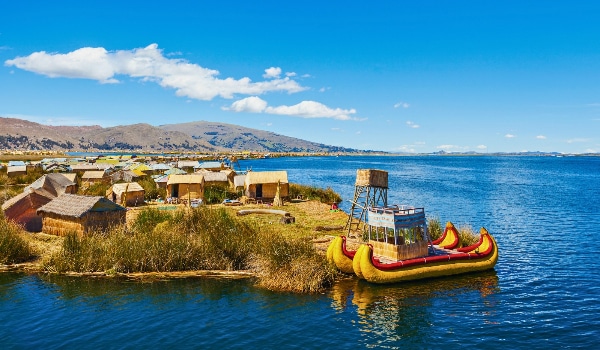
Picture crisp high‑altitude air meeting brilliant blue water. You can glide by boat to Uros floating islands, meet local artisans who make beautiful textiles, and take in the sweeping lake views. And with almost no light pollution, the Milky Way and constellations are brilliantly bright above you with a clarity (and silence) that is hard to find anywhere else.
Day-by-Day 14-Day Peru Itinerary
- Day 1: Arrive in Lima and explore the city
- Day 2: Flight to Cusco to adjust to the altitude then transfer to Sacred Valley
- Day 3: Spend time in the Sacred Valley exploring the Incan village of Ollantaytambo
- Day 4: Visit the ruins of Pisac and Maras Salt Mines
- Day 5: Short Inca Trail to the Sun Gate
- Day 6: Explore Machu Picchu & Temple of the Sun
- Day 7: Transfer day to take the train from Aguas Calientes to Ollantaytambo, ride to Cusco to stay for the night.
- Day 8: Fly from Cusco to Puerto Maldonado, then boat ride to lodge
- Day 9: Amazon Explorations: hiking forest trails and wildlife spotting
- Day 10: Amazon Explorations: boating to Uros Islands to visit local floating villages
- Day 11: Boating back to Puerto Maldonado to fly to Cusco
- Day 12: Train from Cusco to Puno/Lake Titicaca
- Day 13: Nature walks, wildlife spotting and epic stargazing
- Day 14: Fly from Juliaca back to Lima to make your way back home
How to Get to Peru from the United States
Understanding how to go to Peru is easier than it may seem at first. Coming from the U.S., it’s best to fly into Lima’s Jorge Chávez International Airport (LIM). If you live on the East Coast, you can book a one-stop flight through Miami, Atlanta, or New York. And if you are coming from Los Angeles, you can even find nonstop service to Lima, getting you there in about 8 hours.
When traveling to Peru from the US, you’ll want to stay in Lima for a night to explore and get over any jet lag after a long travel day. Then the flight to Cusco is under 2 hours and allows you to adjust to the altitude before you continue exploring the Sacred Valley and Machu Picchu. This is an important step, so don’t rush this part of your trip to get to the iconic site right away.
Before buying your flight, first confirm that your passport is valid for at least six months beyond arrival and know that you’ll need to show proof of return travel. U.S. citizens do not need a tourist visa for stays of up to 90 days. Another tip? We recommend arranging an official airport taxi or hotel transfer upon arrival for a smooth start in Peru.
INSIDER INFO: While in Cusco check out our top 5 things to do, eat and drink in town: https://www.classicjourneys.com/blog/top-5-things-to-see-eat-and-drink-in-cusco/
How to Get Around Peru
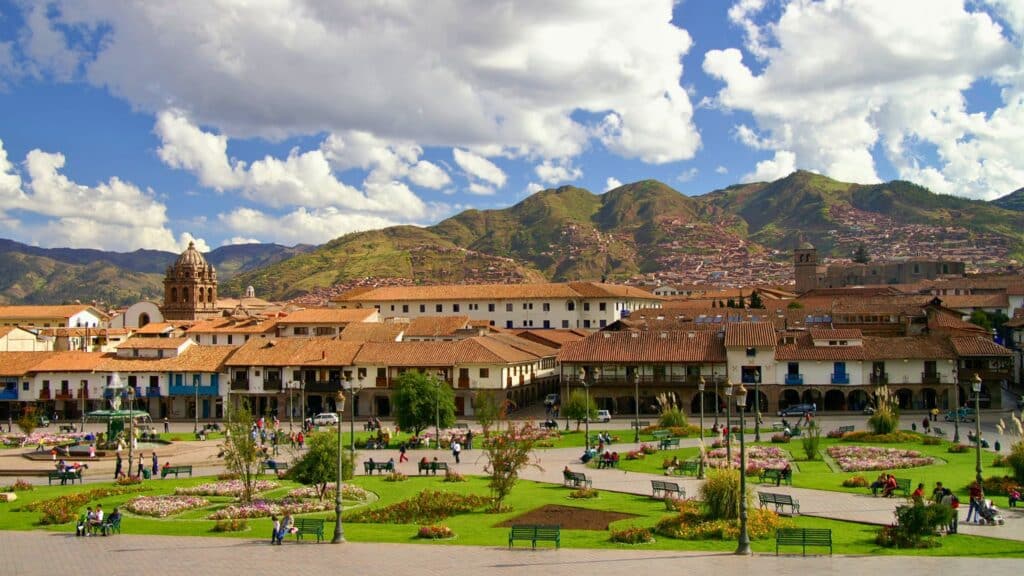
Getting around Peru is an adventure in itself. With a mix of flights, trains, buses, and local transfers, you can get around anywhere, making a big country feel surprisingly manageable. We loved meeting locals along the way, as they were always willing to help direct us or answer any questions.
For long distances, we found domestic flights to be the most efficient option. Flying gets you quickly from Lima to Cusco, to Juliaca for Lake Titicaca, and Puerto Maldonado for the Amazon. These flights save you precious vacation time that would otherwise disappear on long and winding roads.
Taking train rides through Peru is another part of the journey. The classic rail experience runs through the Sacred Valley to Aguas Calientes, with PeruRail and Inca Rail offering daily routes. PeruRail also operates between Cusco and Puno, making it a seamless option instead of flying or driving between the Andes and Lake Titicaca. Don’t forget to reserve these scenic train rides well ahead of time, especially in the high season. Otherwise, sit back and enjoy the views from your window seat.
Additionally, for how to travel in Peru on routes that are not served by air or rail, we recommend long-distance buses. They are inexpensive and popular for locals and visitors to get around. Just a heads up that road conditions can vary and I’ve found that mountainous routes can take longer than they appear on a map.
TAXI TIP: While in cities like Lima and Cusco, there are airport taxis and hotel-arranged transfers, but be sure to agree on the fare before departing. This ensures you won’t be scammed into a higher fare upon arrival. However, once downtown, you’ll love exploring on foot, as these historic cities are wonderfully walkable.

Machu Picchu Travel Logistics
For your first trip to Machu Picchu, we think you need to keep the logistics simple. Make your way into the Sacred Valley to Ollantaytambo to overnight and rest up before your trek. Then you can take the scenic train to Aguas Calientes and the official shuttle bus up the mountain (about a 30 minute ride), and then get in line for your timed entry.
For your Machu Picchu travel itinerary, don’t forget to book your ticket first, as entry is tied to a specific date and time. Then arrive at the gate at least 15 minutes early, bringing water, sun protection, layers, and your physical passport. We recommend traveling with an experienced local guide who can bring the iconic stonework, temples, and Inca stories to life once you get there.
Getting From Lima To Machu Picchu
Remember that there is no airport at Machu Picchu (and no direct train from Lima), so here is the best route for your Machu Picchu itinerary.
First, you’ll take a short domestic flight from Lima to Cusco, which typically takes 90 minutes. Then, you’ll transfer to Ollantaytambo in the Sacred Valley to set out on one of the world’s most scenic rail journeys to Machu Picchu Pueblo on another 90-minute ride.
Also known as Aguas Calientes, this small town below Machu Picchu is where you’ll get your 30-minute shuttle bus ride to the citadel entrance. PeruRail and Inca Rail both operate services along the Urubamba River and through the Andean valleys, so take our advice and get a window seat for the beautiful views.
As you make your way around Peru, don’t forget to book flights, trains, and timed entry tickets well in advance for a smooth journey. And always carry your passport (and layers for the quickly changing weather) with you at all times.

Booking Machu Picchu Tickets and Permits
Machu Picchu is on nearly everyone’s to-do list while in Peru, so you’ll need to plan ahead. Visits require a date, time, and circuit that all need to be booked in advance through Peru’s Ministry of Culture website. When you reserve, be sure to use the same passport details that you will present at entry before your hike.
Due to high demand, permits often sell out 4-6 months in advance, as the Peruvian government allows only 500 spaces per day on the Classic Inca Trail (the longer 4-day hike), and about 250 for the Short Inca Trail. And don’t forget that the Inca Trail is closed throughout February for maintenance and conservation. Classic Journeys can take care of this, as well as all in-country logistics, seamlessly for you. Learn more at: https://www.classicjourneys.com/trip/peru/
As a Classic Journeys Peru guest, Jodi R., shared:
Great overall tour. So much more than just a trip to Machu Picchu! Highly personalized and unique experience.
Train vs. Trek: Choosing How to Arrive
The choice is yours to take the train to Machu Picchu or trek along the Short Inca Trail. You’ll want to take into account your preferred activity level, as well as the timing of both arrival methods.
The train is the relaxed and scenic choice. You’ll get to enjoy incredible views from the comfort of your cabin as you travel through the Sacred Valley beside the Urubamba River, arrive in Aguas Calientes, then take a short shuttle up to the citadel. If you prefer comfort, are limited on time, or have physical limitations, then this is definitely the way to go.
Hiking the Short Inca Trail is a more immersive all-day trek before arriving at Machu Picchu through the Sun Gate. So make sure your fitness level, day pack, and sense of adventure are ready for it.
Things to Know Before Visiting Peru
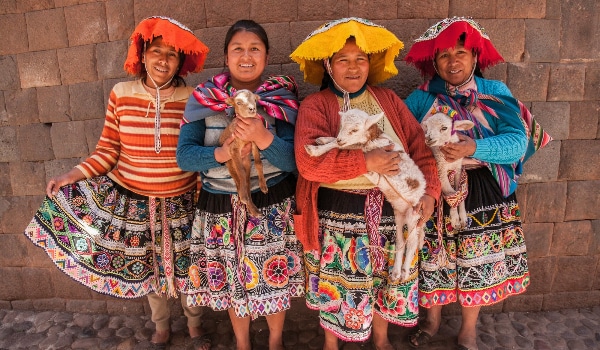
Since you’ve made it this far, you are quite serious about your trip and are ready for the details that will pull it all together. Keep in mind that Peruvians are warm and welcoming, as they embrace a culture where ancient traditions and contemporary life meet. Following our time and experiences in-country, here are our top travel tips for visiting Peru:
Language: Spanish is widely spoken throughout the country, with some English in the main cities and Quechua and other Indigenous languages in more remote areas. Giving a smile along with an ‘hola’, ‘por favor’, and ‘gracias’ will go a long way.
Currency: The local currency is the Peruvian sol, and while credit cards are useful in larger cities, chain hotels, and established restaurants, you’ll want to carry small-denomination soles for markets, taxis, tips, and rural purchases.
Dining & Tipping: Speaking of money, whether you are savoring ceviche or lingering over a pisco sour, tips are not always included, but 5–10% is a welcome gesture for good service. If you have a local guide or driver, be sure to have cash on hand for them as well. And you should know that in restaurants, service is generally relaxed, so slow down and enjoy your meal rather than rushing it.
Altitude: Another element of your trip that deserves thoughtful planning is preparing for the altitude in Peru. Cusco sits around 11,000 feet above sea level and the Sacred Valley is around 7,000, so you’ll want to take that into consideration before beginning your travels. Upon arrival, we found it helpful to schedule a light first day, drink plenty of water, eat simply, and limit alcohol while acclimatizing.
Your Peru Itinerary Starts Here
Peru is the kind of place that stays with you long after you’ve returned home. While your pictures try to capture it, you’ll never forget standing among the majestic Andes, sharing a meal with locals in the Sacred Valley, or your first glimpse of Machu Picchu. Planning in advance will give you the confidence and preparation you’ll need for the Peruvian journey of a lifetime.
Related Trips


Galápagos & Machu Picchu Wildlife Walking Tour
- 10 days
- Starting at $10,995