The Best Time to Go to Peru Isn’t When You Think
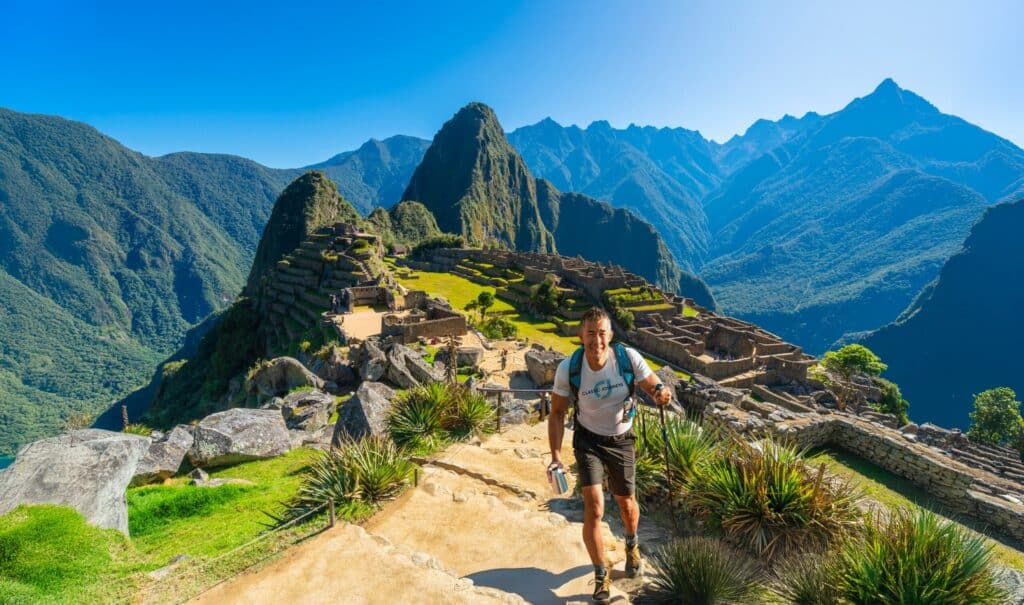
Planning a trip to Peru gets tricky fast: the coast, Andes, and Amazon can experience completely different conditions at the same time. Regardless, we think May through September is the best time to go to Peru. You’ll have the strongest conditions for exploring the Andes and Machu Picchu, which easily tips the scale for us.
The Best Time to Go to Peru: The Short Answer
We recommend May through September, especially for a first trip. This is the best time to go to Peru for dry weather, clear mountain views, and reliable trails. And if you’re coming to walk? Even better. The best time of year to go to Peru for hiking falls in this same window. There’s always a catch, though. Better conditions bring bigger crowds and higher prices.
Dry Season in Peru: May Through September
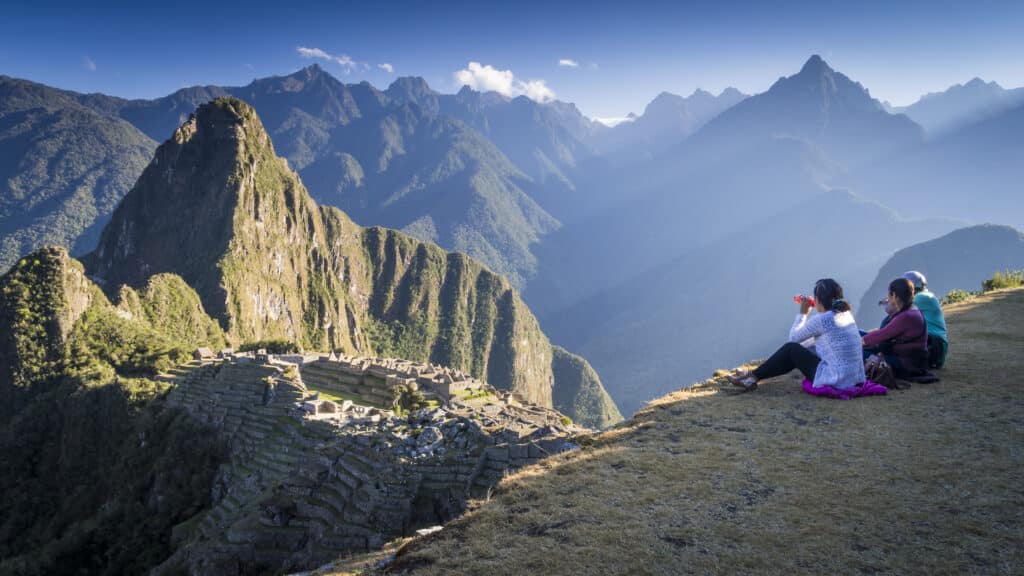
May through September is when Peru really hits its stride, and it’s the window we’d choose for Machu Picchu and the Andes. Visiting Peru in May gives you dry trails before peak crowds arrive, while September brings similar conditions as they begin to thin. For the clearest skies, visiting Peru in June, July, or August is hard to beat.
Just don’t let a warm afternoon fool you: at altitude, temperatures drop quickly once the sun goes down, so we always recommend packing layers. In the Amazon, lower water levels during these months concentrate wildlife along rivers and exposed banks, making animals easier to spot.
Shoulder Season in Peru: April, October, and November
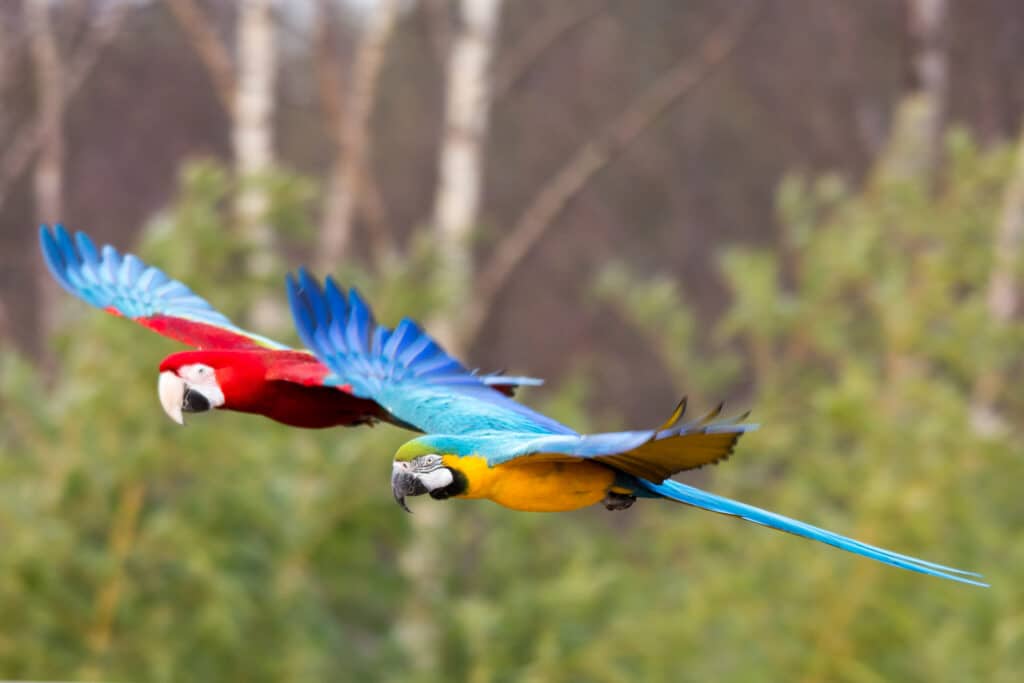
Want Peru at its greenest without peak season crowds? We’d look seriously at April. The shoulder season in Peru starts with lingering rain, but visiting Peru in April rewards a little flexibility with lush mountain scenery and trails around Machu Picchu that begin drying out.
By visiting Peru in October, you’ll catch mostly favorable hiking conditions as the rains start returning. November asks more of you. Expect wetter days and build some flexibility into your plans. Still, visiting Peru in November has its payoff. Popular sites feel noticeably calmer, reservations come easier, and you’ll spend less time navigating the crowds.
Wet Season in Peru: December Through March
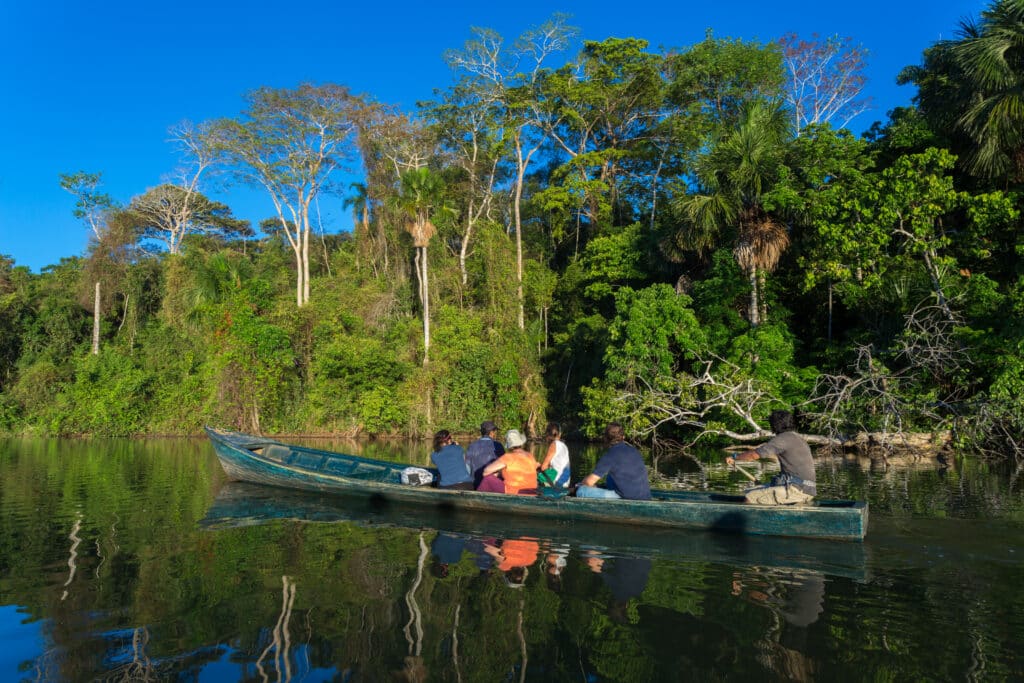
The wet season is worth choosing on purpose if you want greener landscapes, fewer crowds, or more time exploring the Amazon by river. Visiting Peru in December and January brings regular afternoon rain, especially in the Andes, but also some of the lushest scenery of the year.
One warning for visiting Peru in February: the Inca Trail closes for the entire month, so plan another route if it’s on your list. By visiting Peru in March, you’ll catch trails beginning to dry as the rainy season eases. In the Amazon, higher water opens remote waterways that boats can’t reach during the dry season- our favorite reason to consider these months.
How the Best Time to Go to Peru Changes by Region
Three regions, three completely different weather patterns. Along the coast, Lima trades its winter fog for sunnier, warmer days from December through April. If Lima anchors your itinerary, those are the months we’d choose. The Southern Andes tell a different story. May through September brings the dry conditions we want for Machu Picchu, Cusco, and the Sacred Valley, with clearer mountain views and more reliable trails.
The Amazon follows its own calendar. High water during the rainy season opens remote waterways to boats, while lower water in the dry season draws wildlife closer to exposed riverbanks. If your trip crosses all three regions, we’d still choose May through September as the best time to go to Peru. You won’t catch perfect weather everywhere, but in our book, the stronger conditions in the Andes make that tradeoff worthwhile.
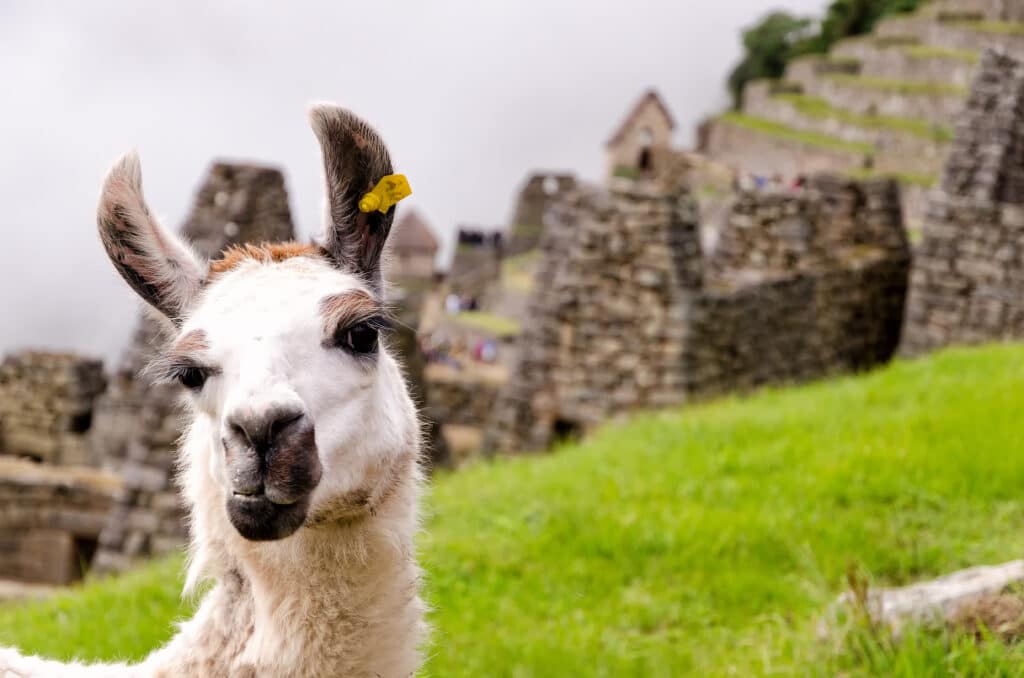
The Best Time to Go to Machu Picchu
If visiting Machu Picchu is the centerpiece of your Peru itinerary, our recommendation remains the same: plan your trip between May and September whenever possible. The dry season offers the most reliable hiking conditions and the greatest chance of waking up to clear mountain views. That said, even during the dry season, don’t be surprised if the citadel is wrapped in morning mist. Watching the clouds slowly lift to reveal the ruins is part of what makes a visit so memorable.
The biggest challenge isn’t usually the weather, but actually it’s availability. Machu Picchu has daily visitor limits, and entry tickets often sell out weeks or even months in advance during the busiest travel months. If you hope to hike Huayna Picchu or Machu Picchu Mountain, book even earlier, as permits are much more limited.
One important exception is February. While Machu Picchu remains open year-round, the Inca Trail closes each February for annual maintenance. If trekking the Inca Trail is part of your dream trip, choose another month and secure your permits well in advance.
Peak Season, Crowds, and Where the Savings Are
If you dream of seeing Peru at its liveliest, June through August is an exciting time to visit. Yes, you’ll be sharing Machu Picchu with more people, but you’ll also experience Peru during festival season. In late June, Cusco comes alive for Inti Raymi, the Festival of the Sun, while Fiestas Patrias in late July fills cities across the country with celebrations, parades, and national pride. It’s an incredible atmosphere, but it also means flights, hotels, and entry tickets book up quickly. If you’d rather skip the crowds and stretch your budget a little further, choose April, October, or November. You’ll find fewer visitors, better availability, and lower prices.
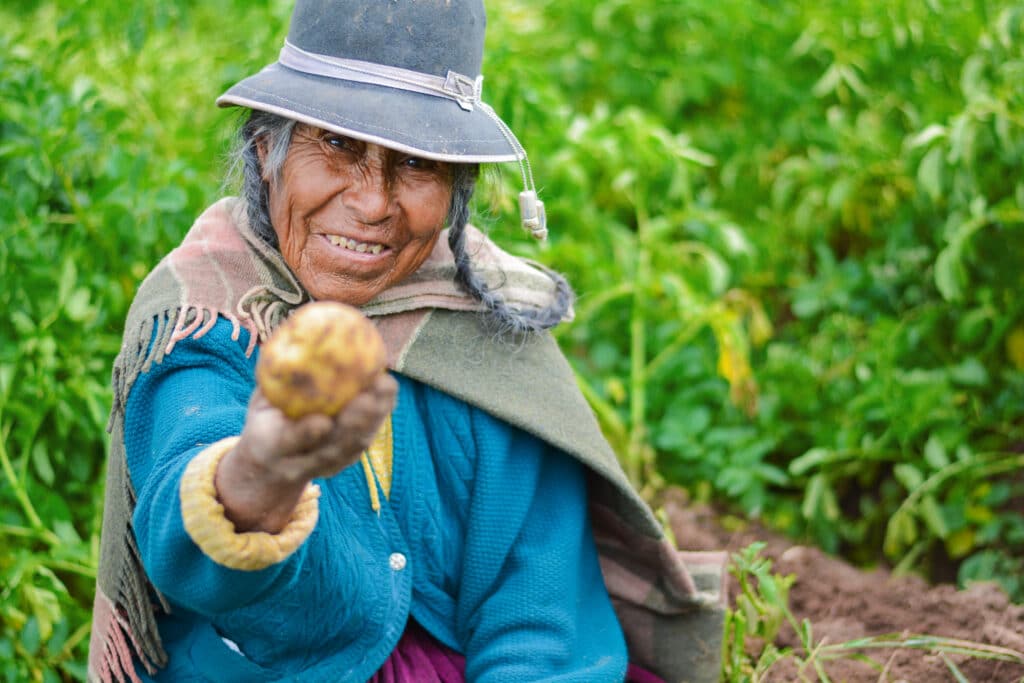
Planning Your Trip to Peru
Now that you know when to go, it’s time to start planning. Explore Classic Journeys’ Peru walking tour to experience Machu Picchu, the Sacred Valley, and Peru’s rich culture on foot, with local guides who bring each place to life along the way.
Related Trips


Galápagos & Machu Picchu Wildlife Walking Tour
- 10 days
- Starting at $10,995