Best Time to Visit Japan: Month-by-Month Guide
If a first-timer asked me when to go, I’d quietly steer them to early November instead of spring. The fall colors are peaking, the crowds have thinned out, and the weather is about as good as Japan gets.
This isn’t the kind of destination most people visit on a whim. For many travelers, Japan is a once in a lifetime trip that requires a long flight, significant planning, and a considerable investment. Don’t make the mistake many first time visitors do and assume any week of the year will deliver the experience you’re hoping for.
Arrive expecting cherry blossoms and you might find you’ve missed them by two weeks. Visit during summer without realizing it’s festival season and you’ll encounter a completely different experience than someone who travels in November for autumn foliage.
That’s because Japan changes dramatically throughout the year.
Our advice on the best time to visit
The advice I give most first time visitors is to start by looking at spring or fall. The weather is generally mild, the scenery is beautiful, and it’s easy to understand why those seasons are so popular.
But those aren’t the only times to experience Japan at its best. One traveler might spend a July evening squeezed shoulder to shoulder with locals at a summer festival while fireworks light up the sky above. Another might find themselves soaking in an outdoor hot spring as snow falls quietly around them in January. Japan changes dramatically throughout the year, and the best time to visit depends on the experience you’re hoping to have.
The best time of year to visit Japan ultimately depends on what you want to get out of the experience. Whether you’re hoping to see cherry blossoms, walk historic trails through the countryside, experience major cultural festivals, or simply avoid the biggest crowds, each season offers something different.
This month-by-month guide breaks down weather, crowd levels, holidays, and seasonal highlights to help you decide on the best time to go to Japan.
The Four Seasons in Japan: A Quick Summary
One of the reasons travelers return to Japan again and again is that it never feels quite the same twice. Visit in spring and you’ll find comfortable temperatures and landscapes coming back to life after winter. Return in autumn and you’ll be greeted by cooler days, vibrant fall colors, and a completely different atmosphere.
Here’s a quick look at what each season has to offer.
Spring (Mid March to May):
• Cherry blossom season
• Mild temperatures and blooming landscapes
• Japan’s busiest travel period
Summer (June to Mid September)
• Hot and humid weather
• Festivals, fireworks, and cultural celebrations
• Rainy season arrives in many regions
Fall (Mid-September to Early December)
• Peak autumn foliage season
• Comfortable weather for sightseeing and walking
• Japan’s second busiest travel period
Winter (December to Mid-March)
• Cold temperatures and snowy landscapes
• Peak onsen and ski season
• Fewer tourists across much of the country
Insider Tip
Everyone talks about the cherry blossom season, but don’t sleep on autumn.
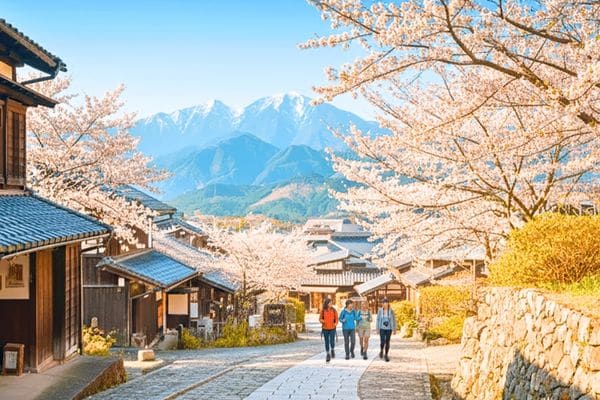
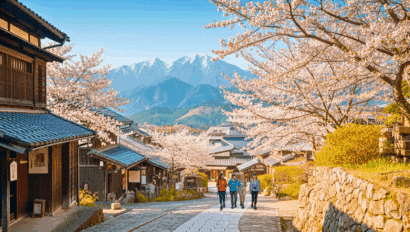
By late October and November, the summer humidity is gone and much of the countryside is glowing with fall color. A walk along the Nakasendo Trail or an evening wandering Narai’s lantern-lit streets can easily become the highlight of an entire trip.
Cherry blossoms may be Japan’s most famous season, but autumn is the one many travelers end up talking about long after they get home.
Spring in Japan: March, April, and May
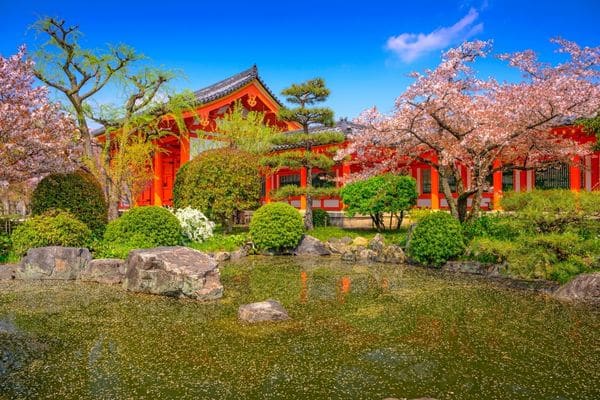
Spring is the season that puts Japan on many travelers’ radar. The weather is comfortable, the days are getting longer, and much of the country feels like it’s waking up after winter. March can still feel early in some regions, while April and May bring the landscapes and seasonal scenes many visitors hope to experience.
Visiting Japan in March
Visiting Japan in March feels like catching the country right as it starts to wake up.
The weather is still shifting, so what you experience depends on where you go. Northern regions can remain cold with occasional snow, while southern areas begin warming earlier in the month. In Tokyo, daytime temperatures usually become more comfortable as spring approaches, making March a good time for sightseeing and walking heavy days before the biggest crowds arrive.
Cherry blossom anticipation is a major part of visiting Japan in March. Peak bloom usually comes later in the month or early April, but forecasts are watched closely in places like Kyushu and Tokyo as travelers try to time their trips around the first signs of sakura. Even before full bloom, parks and gardens start to feel like the whole country is waiting for spring to officially begin.
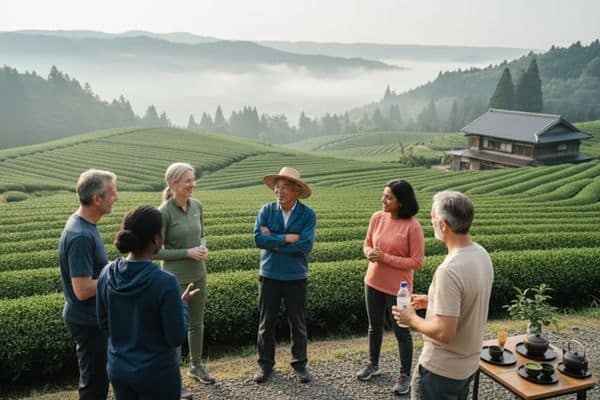
March also offers a chance to experience traditions that have been woven into daily life for centuries. Hina Matsuri, or Doll Festival, takes place on March 3 and is celebrated with decorative displays of traditional dolls honoring the health and happiness of girls.
One of March’s most memorable experiences takes place in Nara, where the Omizutori fire ceremony at Tōdai-ji Temple has been performed for more than 1,200 years. Each evening from March 1–14, giant flaming torches are carried along the temple balcony, sending showers of sparks into the night sky as crowds gather below to watch.
Elsewhere, plum blossom season is wrapping up in some regions, giving travelers one last chance to catch these early spring blooms before cherry blossom season takes over. Tourism levels in March are also generally more manageable than April, making it a smart option for travelers who want spring scenery without the full intensity of peak sakura crowds.
Related Trips
5 Foods You Must Eat While in Japan
By Classic Journeys
5 Must-See Places in Japan (Travel + Leisure’s #1 Destination)
By Classic Journeys