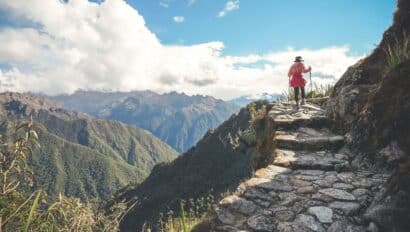
Is Peru Safe for American Tourists? Travel Safety Guide
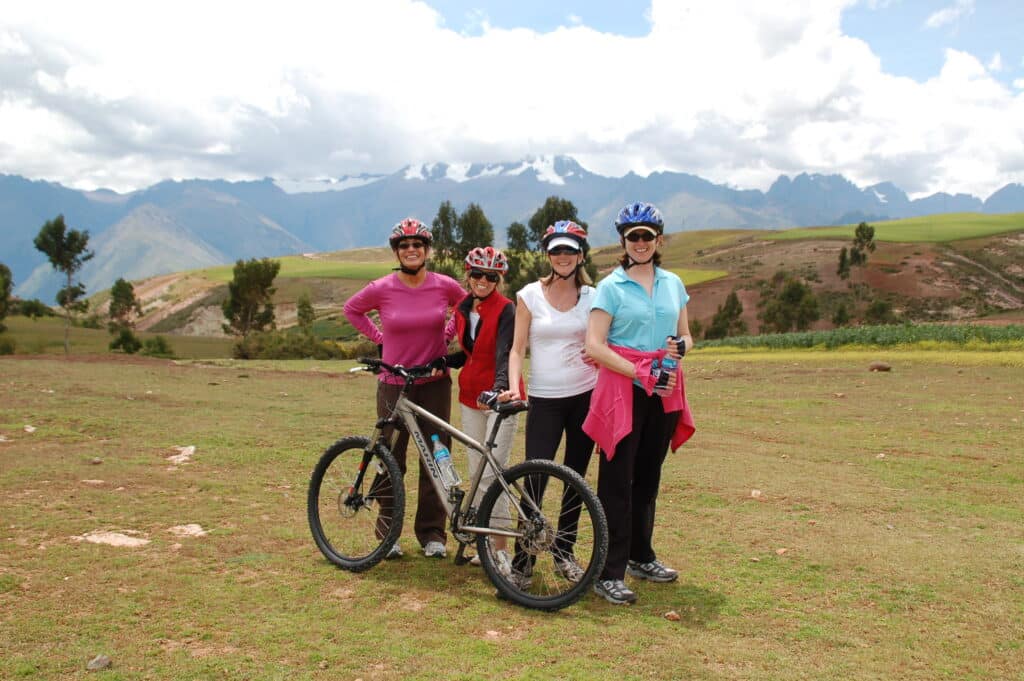
Peru is the kind of place that inspires big travel plans. Walking among ancient ruins, crossing Andean trails and of course, seeing the famous Machu Picchu up close and personal. But is Peru safe for American tourists?
For most travelers, our answer is yes. Peru is safe for travelers with some common sense precautions. Understanding Peru safety starts with knowing where to go, how to prepare, and what to expect once you’re there.
Preparing for a Safe Trip to Peru
A safe trip to Peru starts well before you land. Petty theft, transportation issues, altitude, and changing conditions in more remote areas are some of the main concerns travelers should prepare for. Check your passport and Peru’s current entry requirements, and keep digital copies of important documents somewhere you can access them easily. Travel insurance is worth considering, especially if your itinerary includes hiking or more remote regions.
We like to pack for where we’re actually going: layers and sun protection for the Andes, comfortable walking shoes, and insect repellent for lower elevations and the Amazon. One of our most useful pieces of travel to Peru safety advice is also one of the simplest- know who you’re traveling with. A reputable guided operator can handle vetted transportation, accommodations, and local logistics.
Peru Travel Advisory: What American Travelers Should Know
Is Peru safe to visit? The U.S. State Department maintains a Peru travel advisory with guidance for American travelers, including an overall advisory level and additional warnings for certain areas of the country. Because conditions can change, it’s important to review the latest advisory rather than rely on information that may no longer be current.
The advisory provides regional guidance so travelers can understand whether additional precautions or restrictions apply to the specific places on their itinerary. This distinction matters because conditions in one part of Peru don’t necessarily reflect what travelers will encounter elsewhere in the country.
Before your trip, we recommend reviewing current travel alerts for Peru and checking the State Department’s guidance for each region you plan to visit. It’s the best way to make decisions based on the most recent official information and understand what, if any, additional precautions apply to your plans.
Get the Latest from the U.S. State Department
Travel advisories can change as conditions on the ground evolve. Before your trip, review the latest U.S. State Department guidance for Peru for current information on safety, regional advisories, entry requirements, and other updates that may affect your travels.
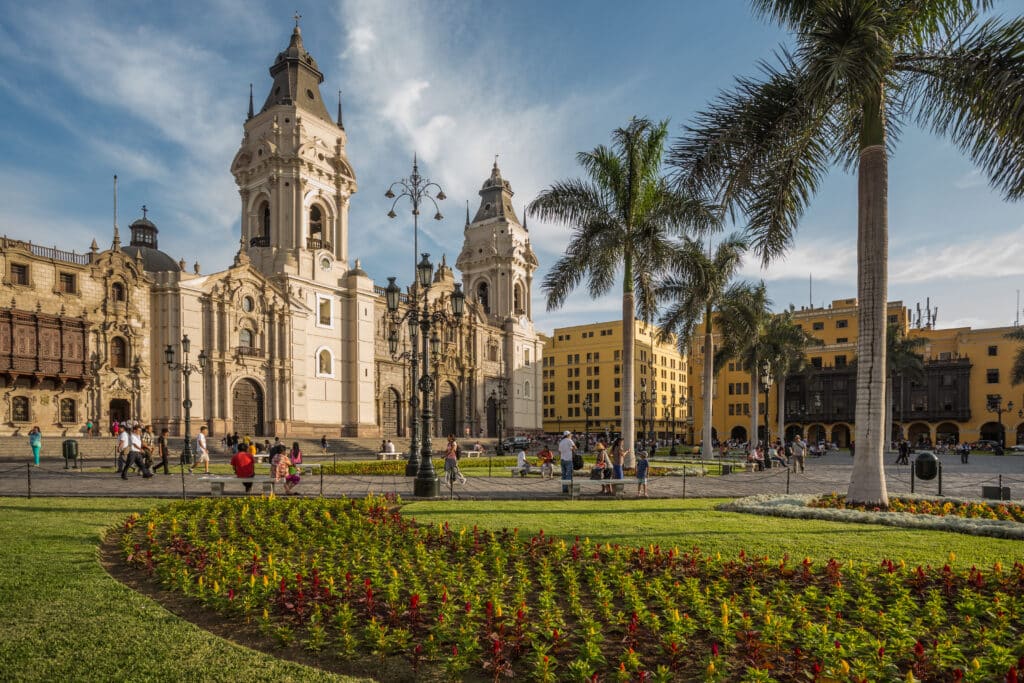
How Safe Is Lima and Peru’s Major Tourist Destinations?
A morning in Lima, an afternoon wandering Cusco, and a day on the trail to Machu Picchu come with very different surroundings as well as different things to keep in mind. When it comes to tourist safety in Peru, where you are matters.
In Lima, Peru safety precautions are much the same as in any major city: keep valuables secure, pay attention to your surroundings, and use trusted transportation, particularly at night.
In the Andes, Cusco and the Sacred Valley have well established tourism infrastructure and are accustomed to international visitors. Here, altitude and changing mountain conditions can be just as important to prepare for as everyday city precautions. Machu Picchu is highly regulated, with designated circuits and entry requirements travelers should understand before visiting.
Farther south, Arequipa and Lake Titicaca are also established tourism destinations, while trips into the Amazon or more remote regions require additional planning. For those wondering if Peru is safe for American tourists, the answer depends less on one countrywide rule and more on understanding the places on your itinerary.
Traveling Peru Alone vs. with a Guided Group
Solo travel can be incredibly rewarding, but it also means every decision is yours. Which taxi to take, which route to follow, and what to do when plans change. When it comes to solo travel safety in Peru, those everyday decisions matter.
For Americans, Peru can feel much easier to navigate with someone who knows it firsthand. On a Classic Journeys trip, you travel with our expert local guides who know the roads, trails, communities, and people along the way. You still get the freedom to explore and experience Peru for yourself, with the added confidence of having local knowledge beside you every step of the way.
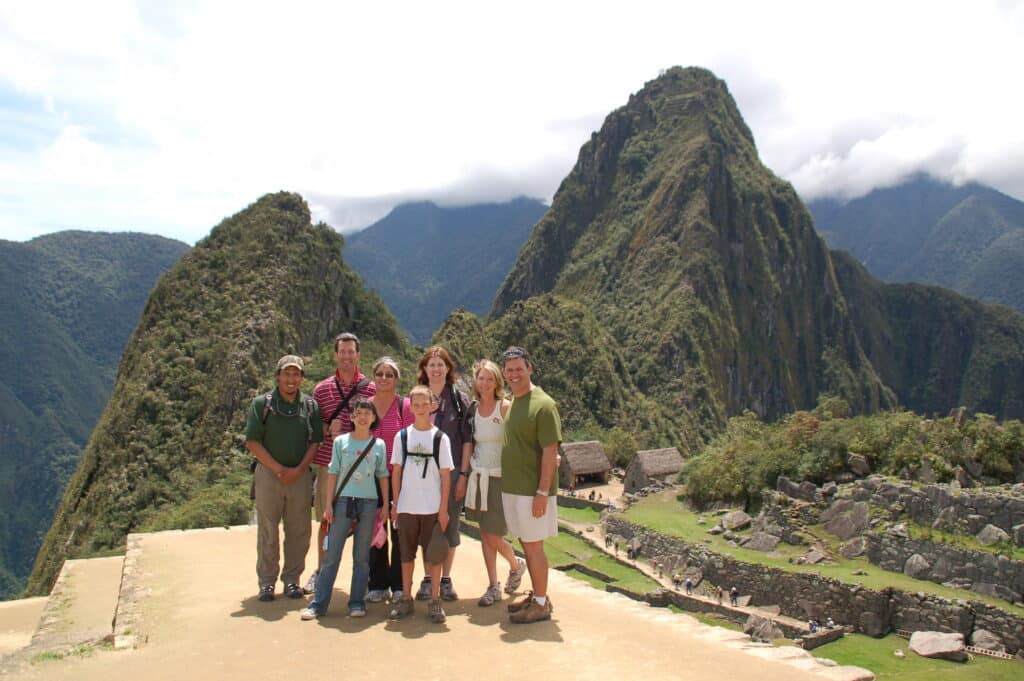
How to Travel Safely Throughout Peru
You don’t need to spend your entire trip looking over your shoulder. Most Peru travel safety comes down to making smart choices, paying attention to what’s happening around you, and knowing when a little local knowledge can go a long way.
Planning ahead makes unfamiliar places easier to navigate. We like to know how we’re getting to and from a new place before we head out, carry only what we need for the day, and stick with reputable transportation. This matters even more when moving between cities or traveling farther from established tourism areas.
Know What to Expect Along the Way
What makes sense in Lima may not be what you need to focus on in Cusco, the Sacred Valley, or a small Andean community. Pay attention to local conditions and follow the lead of the people who know the area like the back of their hand. That includes respecting cultural norms and any rules in place at archaeological, religious, and community sites.
We always leave room for plans to change. Weather in the mountains, transportation disruptions, or trail conditions can occasionally affect an itinerary. Checking local updates along the way means you can adjust before a small change becomes a bigger headache.
This is where traveling with an experienced local guide has a real advantage. Instead of figuring out every neighborhood, route, transportation option, or change in conditions on your own, you have someone who understands how things work locally.
The goal isn’t to make safety the sole focus of your trip, but to make thoughtful choices in the background so you can focus on experiencing Peru.
Avoiding Petty Crime and Scams
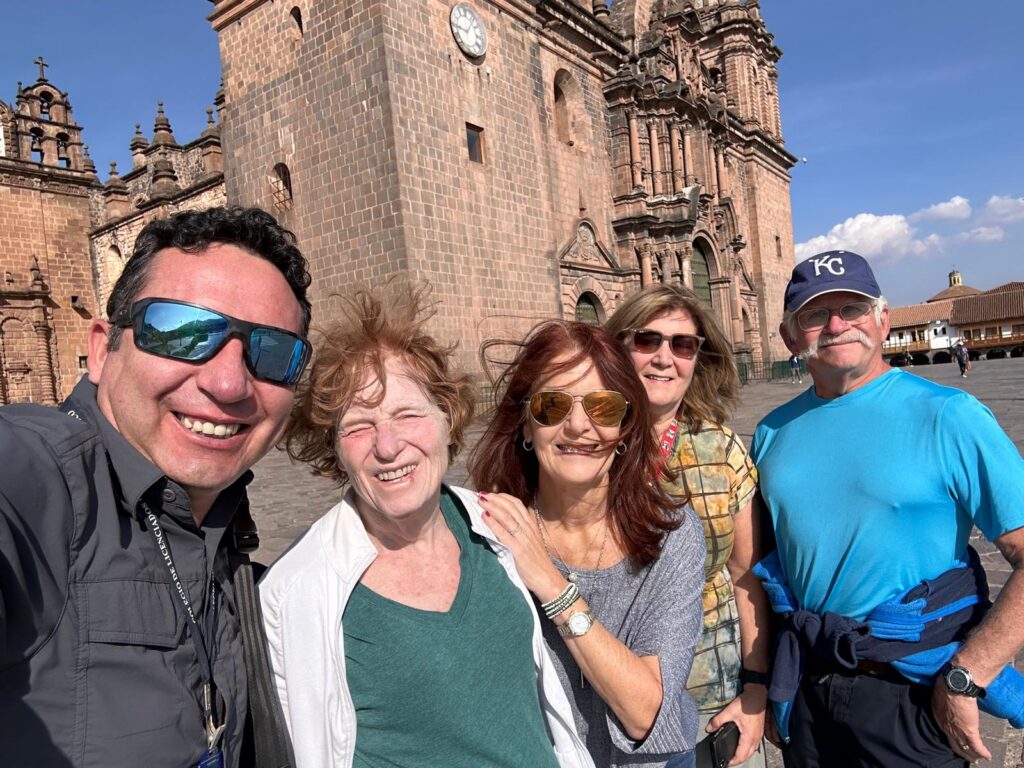
A crowded market is a great place to get caught up in what’s around you, which is exactly why it pays to keep an eye on your belongings. Keep your phone and wallet somewhere secure and carry only the cash you need for the day. Use ATMs inside banks, hotels, or other secure locations when possible, and don’t accept help from strangers at the machine. A zipped crossbody bag or daypack can keep valuables close while you explore.

Choosing Reliable Transportation
Getting from point A to point B shouldn’t be the most adventurous part of your trip. In cities, arrange taxis through your hotel or another trusted source rather than hailing one on the street, or use a recognized ride hailing app when available.
For longer journeys, choose established bus companies with strong safety records instead of simply booking the cheapest option. If you’re traveling with a guided operator, vetted transportation is typically arranged for you, taking one more decision off your plate.
Respecting Local Customs and Culture
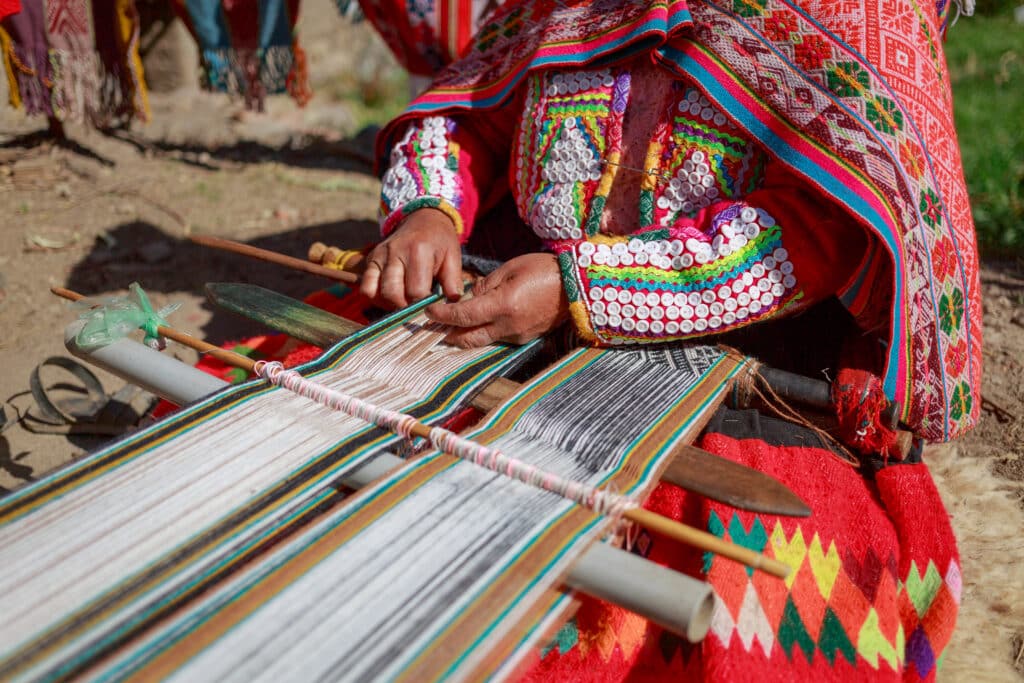
You see a great photo opportunity in a small Peruvian community and instinctively reach for your camera. Stop and ask first. Photographing people without permission is an easy cultural misstep for travelers to make. That same awareness matters at churches, religious sites, and archaeological sites, where respectful attire and posted rules should guide you.
We tell our travelers even a few Spanish phrases like buenos días, por favor, and gracias can make everyday interactions warmer. Most importantly, approach local traditions with curiosity rather than assumptions.
Staying Informed While Traveling
A mistake we have surely made before: a sunny morning in the Andes doesn’t guarantee a sunny afternoon. Check the local weather before heading out, especially for hikes or time in the mountains, and keep an eye on local news for disruptions that could affect your plans. It’s also worth checking official travel advisories periodically while you’re away. If something does change, having a local guide or trusted contact on the ground can help you adjust your plans quickly.
Health and Hygiene Tips for American Tourists in Peru
Peru can take you from sea level in Lima to more than 11,000 feet in Cusco, and that change alone is a good reminder that health preparation here isn’t one size fits all. What you need to think about depends heavily on where you’re going and what you’ll be doing once you get there.
Before your trip, talk with your healthcare provider about your itinerary, particularly if you’ll be spending time at high altitude or traveling into the Amazon.
- Make sure routine vaccinations are up to date and check current health recommendations for the specific regions you plan to visit. Your needs for a few days in Lima and the Sacred Valley may look very different from those for a jungle stay.
- Altitude deserves its own preparation entirely. Give yourself time to acclimate when arriving in higher elevation destinations rather than packing strenuous activity into your first day. Even experienced walkers can feel the effects of a rapid change in elevation.
Everyday habits matter as well. Be thoughtful about what you eat and drink, keep your hands clean while traveling, and bring the medications and basic health essentials you rely on at home. If you take prescription medication, research any applicable regulations before you head out the door and pack enough for your entire trip.
Finally, consider where you’ll be if you need medical care. Healthcare is more readily available in major cities than in remote areas, making travel insurance and planning in advance especially worthwhile for itineraries that take you further off the beaten path.
Vaccinations and Health Risks
What you need before Peru depends largely on where your itinerary takes you. The CDC recommends being up to date on routine vaccinations and may also suggest additional vaccines based on the regions you’ll visit.
If the Amazon or other lower elevation areas are on your itinerary, mosquito-borne illnesses are another consideration. Talk with your healthcare provider about your specific plans before traveling and pack an effective insect repellent along with lightweight clothing that provides additional coverage.
Altitude Sickness Prevention and Preparation
You can be in great shape and still feel the effects of Peru’s altitude. Cusco sits at roughly 11,000 feet above sea level, while Puno is even higher, so give your body time to adjust before jumping into strenuous activity.
Our guides emphasize taking it easy when first arriving, staying hydrated, and limiting alcohol while acclimatizing. If your itinerary includes high altitude stops, talk with your doctor beforehand about prevention and what symptoms to watch for.
Food, Water, and Hygiene Essentials
Peruvian food is one of the highlights of the trip, so a few simple precautions can help you enjoy it comfortably. Choose food that’s thoroughly cooked and served hot, drink bottled or properly treated water when needed and wash or sanitize your hands regularly. Be especially mindful of raw foods and unpeeled produce.

Medication and Healthcare Access in Peru
The farther you travel from Peru’s major cities, the more limited healthcare options can become. Bring enough prescription medication for your entire trip in its original packaging, along with a copy of your prescription. Before leaving, check whether Peru places any restrictions on your medication and consider how you’d access care in remote areas.
Understanding Peru’s Political Climate and Protests
Peru has experienced periods of political change and commotion in recent years. Protests can develop with little notice and range from peaceful gatherings to larger demonstrations that disrupt roads, railways, and other transportation.
For travelers considering Peru as a safe country to visit, the important thing is to stay aware rather than avoid the destination altogether. In our experience, protests are typically easy for tourists to steer clear of, but transportation disruptions can sometimes affect travel between destinations.
Keep an eye on local news and official travel advisories during your trip and avoid large gatherings and roadblocks if you encounter them. Leave some flexibility in your itinerary when traveling between regions, particularly if protests are taking place. If you’re traveling with a local guide, you’ll also have someone on the ground who can keep track of developing conditions and adjust plans or routes when necessary.
Staying Safe in Peru’s Remote and Natural Landscapes
Some of Peru’s most incredible experiences happen far from its cities, whether you’re walking an Andean trail, exploring the Amazon, or visiting a rural community. These are also the places where preparation, and more importantly, local knowledge, matter most.
On trekking routes, changing weather, high altitude, and uneven terrain can turn a straightforward walk into a challenge. In jungle regions, heat, insects, and limited access to medical care require different precautions. Transportation and services may also be less readily available in rural areas.
For travelers wondering if Peru is safe to travel to beyond its major destinations, we’ll always recommend exploring with someone who knows the landscape firsthand. Guides know the terrain, weather patterns, trail conditions, and communities you’re passing through. They can also adjust plans when conditions change, leaving you free to focus on the reason you came in the first place. Experiencing the magical country of Peru.
Explore Peru with Confidence on a Guided Walking Tour
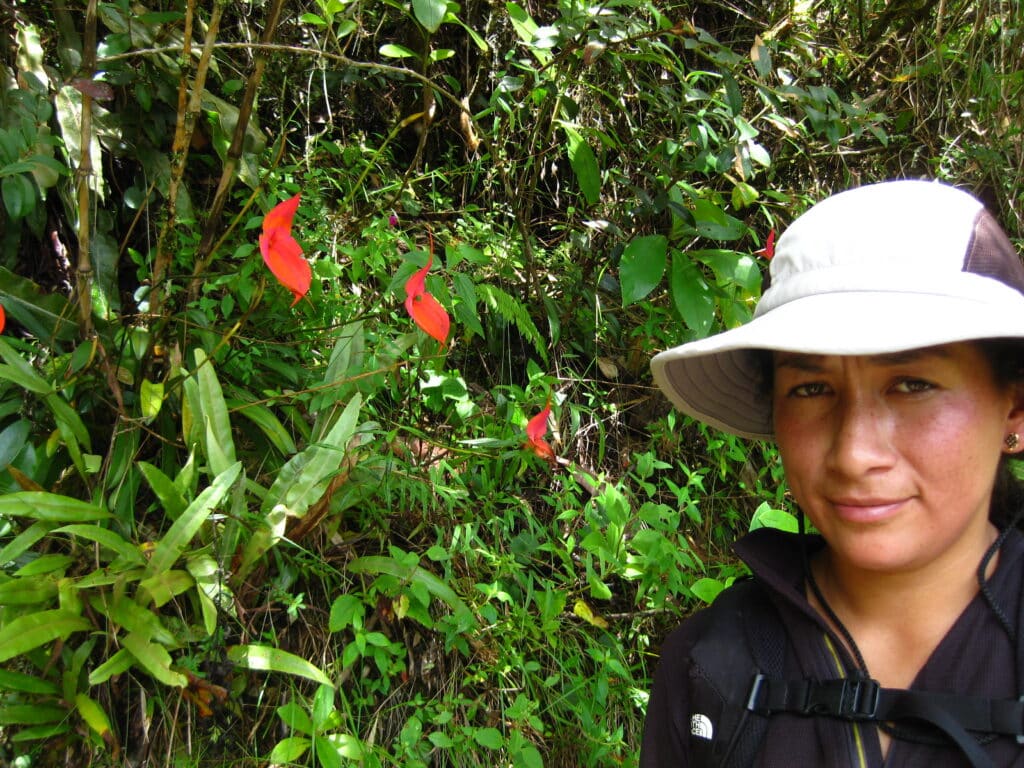
The best way to feel confident in an unfamiliar place? Explore it with someone who calls it home. On a Classic Journeys Peru walking tour, expert local guides lead the way, sharing the trails, communities, and places they know best while taking the uncertainty out of navigating them on your own.
Related Trips


Galápagos & Machu Picchu Wildlife Walking Tour
- 10 days
- Starting at $10,995