Best Hiking Trails in Japan: Day Hikes & Lodge-to-Lodge
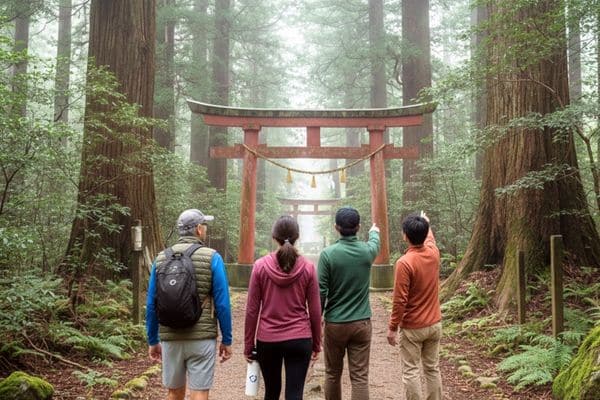
Most travelers don’t come to Japan for the hiking.
That’s a mistake.
Some of the country’s most memorable experiences happen on foot. One trail winds through centuries-old post towns where travelers still spend the night in traditional inns, much as travelers did hundreds of years ago. Another climbs through cedar forests to hidden shrines tucked into the mountains. By the end of the day, you might be soaking in an onsen or sitting down to a meal built around regional specialties.
That’s what makes the best hiking trails in Japan different. The walk is only part of the experience. Whether you’re exploring famous hiking trails in Japan like the Nakasendo or looking for quieter hiking trails in Japan near Tokyo and Kyoto, the journey rarely begins or ends at the trailhead.
Why Japan Is One of the World’s Great Hiking Destinations
The famous hiking trails in Japan offer something many destinations can’t: they blur the line between hiking and cultural travel. Trails connect centuries-old post towns, mountain temples, forests, shrines, and communities in a way that makes the journey feel larger than the walk itself.
That’s especially true on routes like the Nakasendo, where the experience doesn’t stop when the hiking is done. Instead of driving to the next destination, you might spend the evening soaking in an onsen, sharing a multi-course meal at a family-run inn, or wandering quiet streets after the day-trippers have gone home. The trail becomes part of a much larger experience, which is what makes hiking in Japan feel so different from many other hiking destinations.
One of the things that surprises many travelers about hiking in Japan is how often the trail leads straight into everyday life. You’re not always deep in the wilderness. One hour you’re walking through cedar forest, and the next you’re passing through a post town where people still live and work like they have for generations.
That’s especially true on routes like the Nakasendo. Instead of ending the day in a parking lot and driving somewhere else, you might check into a family-run inn, soak in an onsen, and wander lantern-lit streets after most visitors have gone home. By morning, you’re back on the trail again. The walk becomes part of a larger journey through places that many travelers never see.
Classic Journeys Tip
Some of the most memorable walks in Japan aren’t about reaching a summit. They’re about what happens along the way.
On routes like the Nakasendo Trail, the hours between hikes can be just as memorable as the walk itself. After spending the day crossing forests and mountain valleys, you arrive in a preserved post town where travelers have been stopping for centuries. The pace shifts. You settle into a traditional inn, soak in a hot bath, and wander quiet streets that feel remarkably unchanged by time.
That’s what makes hiking in Japan so special. The experience doesn’t begin and end at the trailhead—it continues through the places, people, and traditions you encounter along the way.
On routes like the Nakasendo Trail, it’s funny what you remember afterward. It might be a stretch of forest or a mountain view, but it could just as easily be the tiny inn where you spent the night or the post town you wandered through after dinner. The trail gives you a reason to spend time in places most travelers pass right by.
That’s part of what makes these routes so memorable. The experience isn’t built around a single highlight—it’s a collection of small moments that gradually add up to something bigger.
Day Hikes Near Tokyo
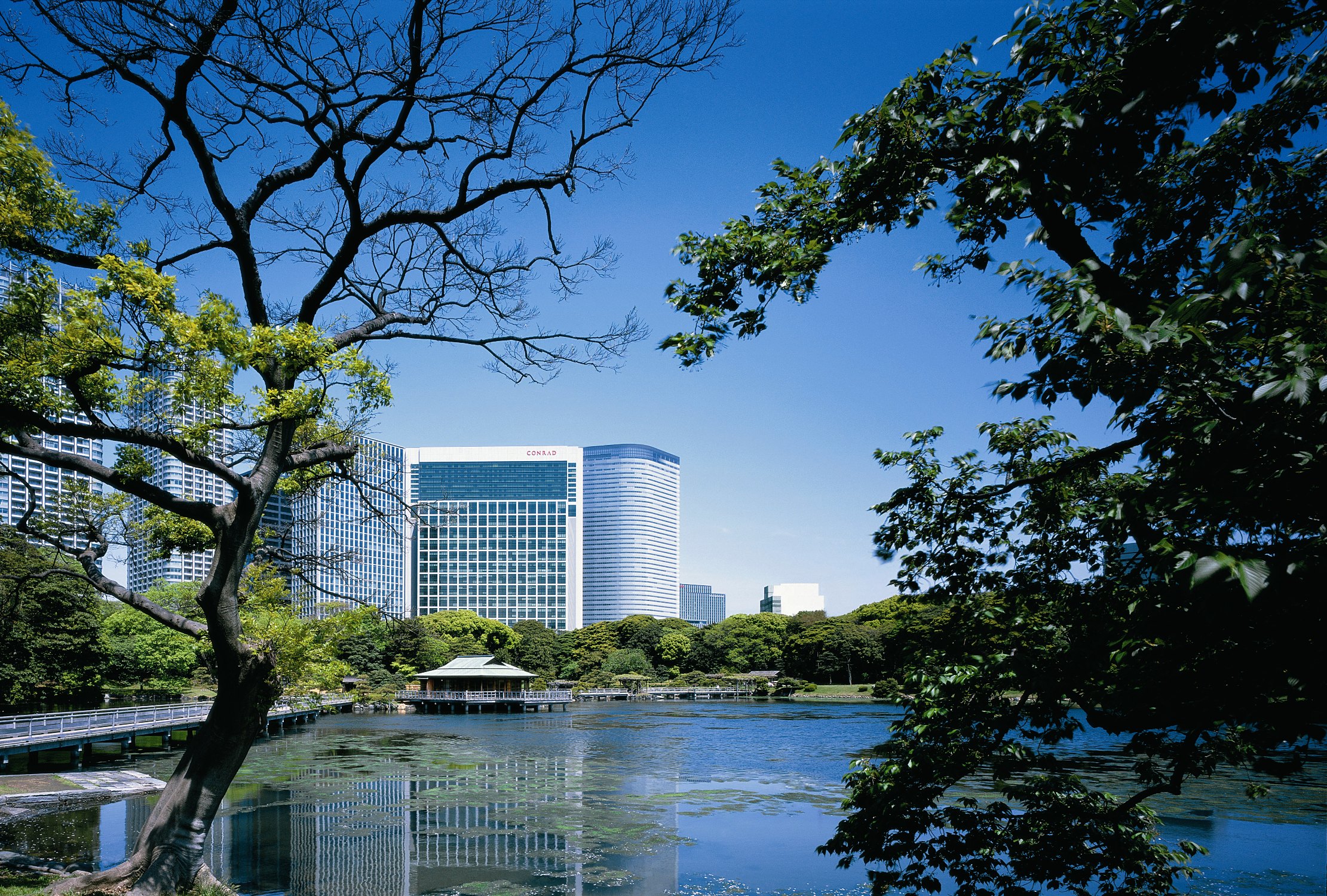
One of the best things about hiking near Tokyo is how quickly the city gives way to nature. Within a couple of hours by train, you can be climbing mountain trails, walking through cedar forests, or taking in sweeping summit views.
Mt. Takao
For many travelers, Mt. Takao is a classic introduction to hiking near Tokyo. Multiple trail options, a cable car, and clear views of Mt. Fuji make it an easy and rewarding day trip. Located less than an hour from central Tokyo, it’s one of the most accessible mountain hikes in the country.
Mt. Mitake
Mt. Mitake is one of the more atmospheric options for hiking near Tokyo, combining forest trails with mountain history. After taking the cable car from Mitake Station, hikers can visit Musashi-Mitake Shrine before continuing to the Rock Garden loop, where waterfalls, moss covered paths, and cedar forest make the route feel worlds away from the big city.
Mt. Tanigawa
For hikers looking for bigger mountain scenery while still hiking near Tokyo, Mt. Tanigawa delivers. The Tanigawa Ropeway helps hikers gain elevation before continuing across ridgelines known for summer wildflowers and alpine views. Thanks to bullet train access, this dramatic mountain route can still work as a full day trip from the city.
Day Hikes in and Around Kyoto
Some of the most rewarding hiking trails in Japan begin just beyond Kyoto’s temples and neighborhoods. Forest paths, hillside shrines, and mountain routes make it easy to combine culture and walking in a single day.
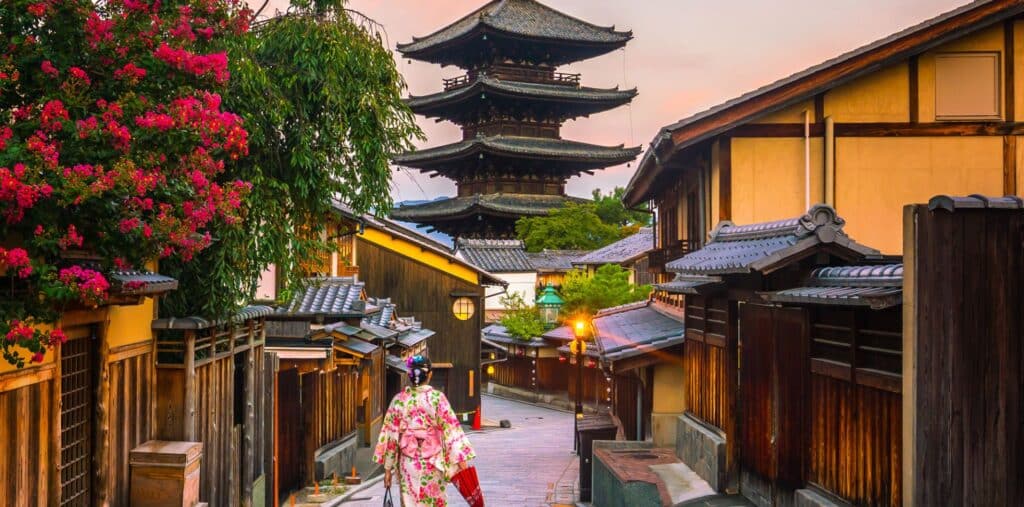
The Daimonji Trail
Among the more accessible hiking trails in Japan, the Daimonji Trail offers one of Kyoto’s best viewpoints. The route climbs to the famous Gozan no Okuribi character, where hikers are rewarded with sweeping views across the city. Trailheads are easily reached from central Kyoto, making this a popular half day hike.
Kurama to Kibune
The Kurama to Kibune route is one of the most atmospheric hiking trails in Japan. The walk connects two traditional mountain villages, passing through cedar forest and Kurama-dera Temple along the way. With train access at both ends and nearby onsen options, it’s an easy and rewarding day hike from Kyoto.
Alpine and Volcano Day Hikes
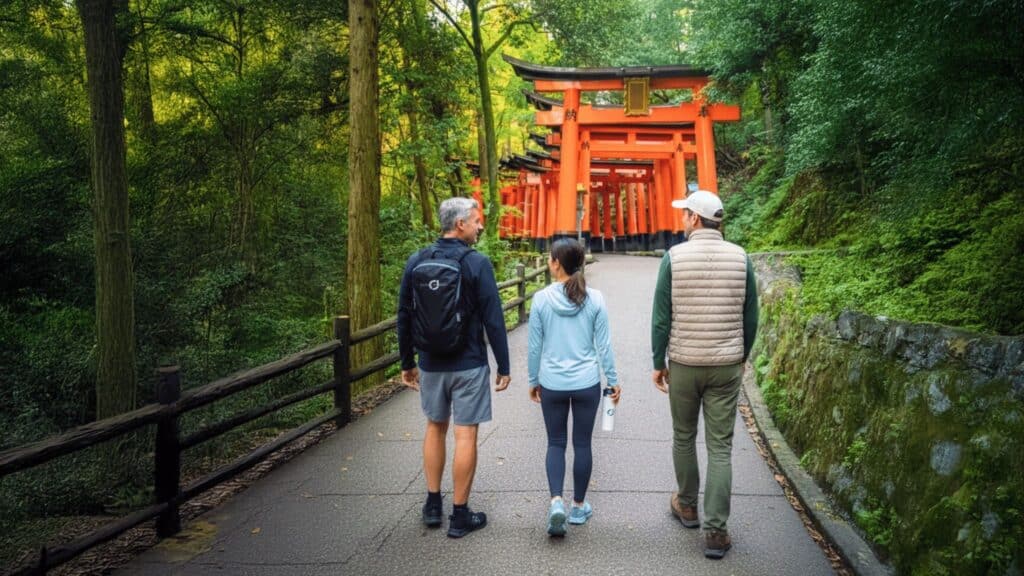
Some of the best hiking trails in Japan don’t require backpacks, huts, or planning for multiple days. These routes deliver alpine scenery, volcanic landscapes, and mountain views all in a days time.
Kamikochi Valley Loop
Kamikochi feels a little different from many of the best hiking trails in Japan. Instead of steep climbs, the route follows the Azusa River through the heart of the Japanese Alps. Relatively flat terrain, seasonal access, and stunning mountain views make it one of the country’s most approachable alpine walks.
Mt. Aso
Few famous hiking trails in Japan can match the scale of Mt. Aso. Located within one of the world’s largest active volcanic calderas, the area offers three main day hiking routes with views of grasslands, crater landscapes, and surrounding peaks. The trail network is easily accessed from nearby Kumamoto.
Mt. Karakuni and Onami Pond
Among the more unique hiking trails in Japan, this route combines volcanic terrain with views of Onami Pond, the largest crater lake in Japan. Hikers can complete the scenic loop around the lake or continue to the summit of Mt. Karakuni for broader views of Kirishima’s volcanic landscape.
Forest and Coastal Day Hikes
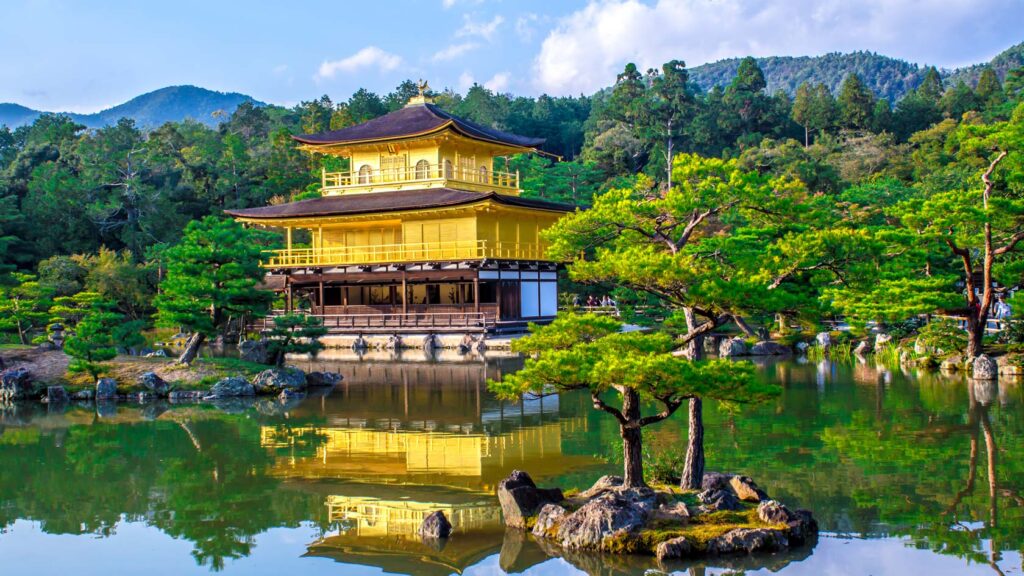
Some of the most rewarding hiking trails in Japan are also among the quietest. These routes trade alpine peaks for ancient forests, island landscapes, and coastal scenery that offer a completely different perspective on the country.
Shiratani Unsuikyo, Yakushima
Few hiking trails in Japan feel as otherworldly as Shiratani Unsuikyo. Located on Yakushima Island, this moss-covered forest is widely believed to have inspired scenes from Princess Mononoke. Several shorter loop options make it accessible for day hikers while still delivering the ancient cedar forests and misty landscapes the island is known for.
Mt. Misen, Miyajima
A hike on Miyajima begins with a ferry ride, which already sets it apart from many famous hiking trails in Japan. Several routes climb from the area near Itsukushima Shrine to panoramic viewpoints overlooking the Seto Inland Sea. Many hikers choose to return by ropeway before heading back to the mainland.
Shikoku Pilgrimage Day Section
Walking between Temples 49, 50, and 51 near Matsuyama offers a glimpse into one of the oldest hiking traditions in Japan. This short section of the 88-temple Shikoku Pilgrimage combines quiet roads, forest paths, and centuries of history, making it one of the more culturally significant hiking trails in Japan.
Hotel-to-Hotel Walks: Multi-Day Hiking Without the Backpack
Some of the best hiking tours in Japan let you walk with just a daypack. Thanks to luggage forwarding services, luxury hiking Japan experiences can combine scenic trails, traditional inns, and multi day routes without the burden of carrying your gear.
The Kumano Kodo Nakahechi Route
The UNESCO listed Kumano Kodo follows ancient pilgrimage paths from Tanabe to Nachi through forests, mountain villages, and sacred sites. Each stage ends in a traditional ryokan, where travelers can enjoy local cuisine and hot baths before continuing the journey. It’s one of the most iconic hiking tours in Japan and a standout example of luxury hiking Japan.
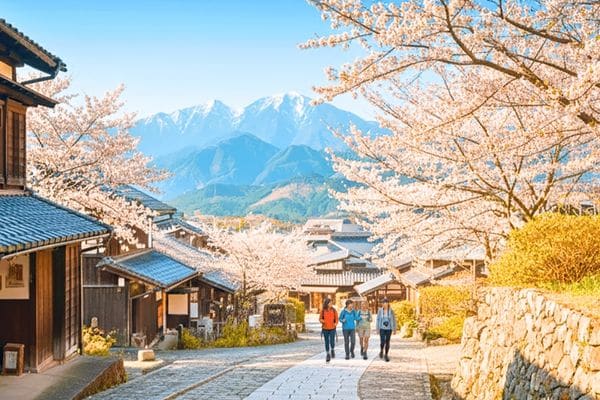
The Nakasendo Magome to Tsumago Walk
Walking between Magome and Tsumago feels like stepping into Japan’s Edo period. This historic section of the Nakasendo passes through forests and beautifully preserved post towns, offering a glimpse into a slower pace of life. Travelers extending their journey often pair the walk with traditional minshuku stays, making it one of the most rewarding hiking tours in Japan.
Guided Hiking Tours and Luxury Options
Many travelers can explore Japan’s trails independently, but guided hiking tours in Japan can make the experience significantly easier. This is especially true on multi day routes where transportation, luggage transfers, accommodations, and trail logistics require advance planning.
A luxury hiking Japan experience isn’t just about the trail. Some of the most memorable moments happen at the end of the day. Staying in a traditional ryokan isn’t simply a place to sleep—it’s a chance to experience a style of hospitality that feels distinctly Japanese.
After a day on the trail, you might slip into a hot bath, sit down to a multi-course meal built around regional specialties, and find yourself talking about the evening just as much as the hike itself.
The right guides and itinerary help bring those experiences together. They provide the context, local connections, and logistics that allow you to focus less on planning and more on being present for the journey.
Start Planning Your Hiking Trip to Japan
The hardest part of planning a hiking trip to Japan isn’t finding great trails—it’s deciding which kind of experience you want. Some travelers are drawn to historic routes like the Nakasendo, where the villages and inns become part of the journey. Others prefer alpine hikes, coastal walks, or day trips that can be reached from Tokyo and Kyoto. Whatever direction you choose, Japan offers far more variety on foot than most visitors expect.
Related Trips

5 Foods You Must Eat While in Japan
By Classic Journeys
5 Must-See Places in Japan (Travel + Leisure’s #1 Destination)
By Classic Journeys