Which One Should You Visit (or Both)?
Kyoto vs Tokyo
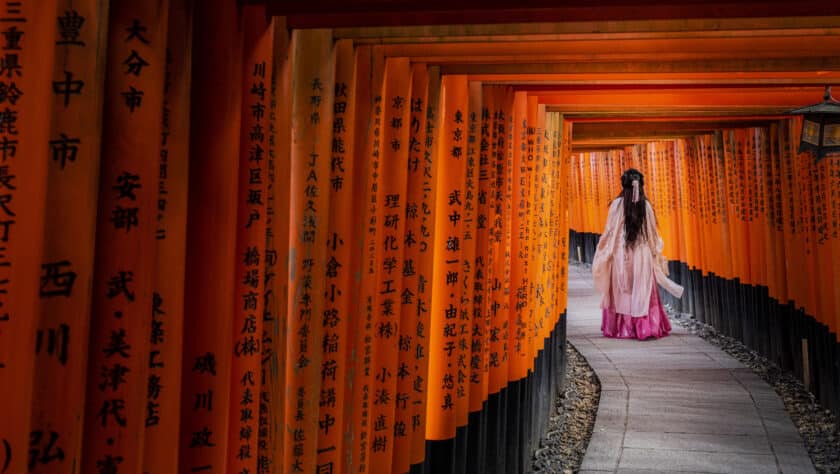
If you are planning a trip to Japan, you’ll eventually face this question: Kyoto vs. Tokyo?
It’s understandable. One city is known for temples, tea houses, and centuries-old traditions. The other is famous for skyscrapers, neon lights, and bustling city life.
As an American who lived in Japan for over 3 years, I can assure you that Tokyo vs. Kyoto is the wrong comparison. These cities aren’t competitors. I like to think of them as chapters of the same story.
Join me on a deep dive into the fascinating role each city has played in shaping Japan, so you can best plan your trip. Ready? Ikimashou (that means ‘let’s go’)…
Why Kyoto and Tokyo Top Every Japan Itinerary
As you weigh Tokyo vs. Kyoto, you’ll run into the same question I did: which city deserves a spot at the top of your list?
The reason the debate even exists is because they are the most popular cities to visit in Japan. And for good reason. Together, they provide the most complete introduction to the country. Tokyo shows you how Japan lives today, while Kyoto helps explain how it got here.
I’d argue that the contrast between these vastly different places is exactly what makes them so rewarding to experience together. Tokyo without Kyoto can make Japan feel overwhelmingly modern. While Kyoto without Tokyo can make it seem frozen in the past. Together, they reveal a country that has embraced innovation while remaining deeply connected to tradition.
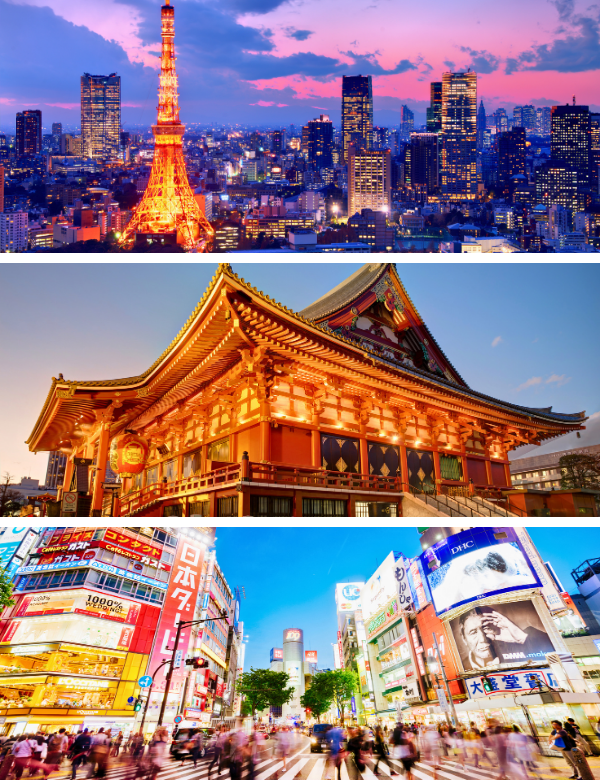
In Tokyo, you’ll get to marvel at the sleek skyscrapers and bustling street scene as you soak in the dynamic city vibes that are unlike anywhere else on earth. Picture yourself among the neon lights, fast-paced lifestyle, modern stores and busy intersections for an all-sensory experience.
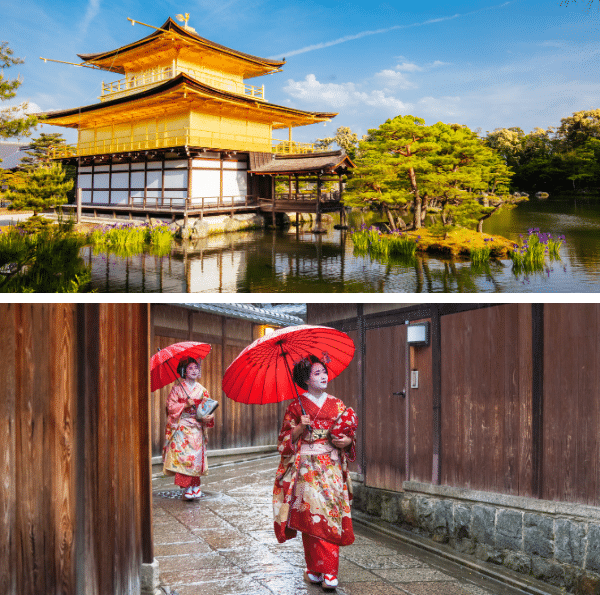
Meanwhile, in Kyoto, you’d get to slow down and immerse yourself in the quiet traditions that still flourish here today. You’ll get to stroll along Gion’s historic lanes, visit serene temples and gardens, and sip some matcha in nearby Uji during peaceful explorations.
Still unsure? Before deciding which city is right for you, I want to help you understand what each one does best and share some personal insight from my time in both cities.
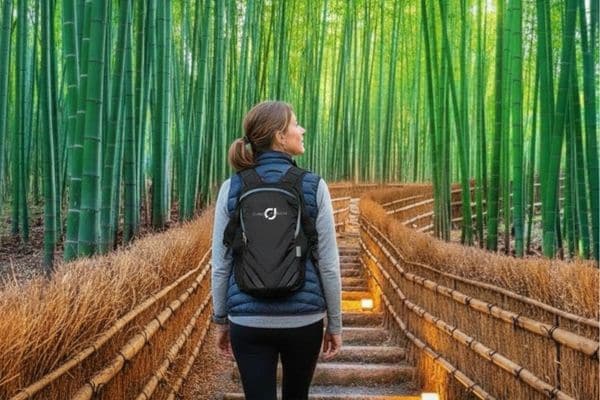
Foodie Fact:
No matter where you decide to visit, slurping is polite when dining in Japan. When eating noodles like ramen or soba, slurping loudly is highly encouraged because it is considered a compliment to the chef. Not only does it show appreciation for your meal, but it also cools down the hot broth!
Only Have Time for One? How to Choose Between Tokyo and Kyoto
No pressure. You can’t make a “wrong” or “bad” decision when choosing Kyoto or Tokyo. The best choice for you depends less on which city is “better” and more on what kind of experience you’re looking for.
If you’re fascinated by food culture, vibrant neighborhoods, modern Japanese life, and the energy of one of the world’s great cities, choose Tokyo. I believe that this city rewards curiosity.
I have spent the morning exploring a centuries-old temple in Asakusa, the afternoon wandering independent shops in Yanesen, and the evening eating yakitori beneath the train tracks in Shimbashi. Once you arrive and start to explore, you’ll realize that no two neighborhoods feel quite the same.
If you’re drawn to history, traditional culture, tea ceremonies, temple districts, and a slower pace, choose Kyoto. I think this cultural experience is less about checking off attractions and more about immersing yourself in the tranquil atmosphere. A quiet temple garden, a lantern-lit alley in Gion, or a beautifully prepared seasonal meal often becomes just as memorable as its famous landmarks. Taking the time to slow down really pays off here.
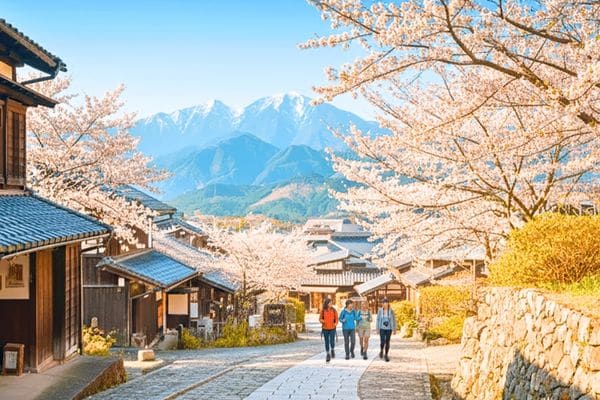
Is Kyoto better than Tokyo?
Or vice versa? While that’s up to you to decide, here is my advice as an insider:
If your first visit to Japan is only three or four days, Tokyo generally offers more variety and a broader introduction to modern Japan. Kyoto shines when you have enough time to unwind and appreciate the details that make that ancient city so special.
After helping travelers explore Japan for years, I’ve noticed something interesting: people rarely leave wishing they had spent more time at a specific landmark. They leave wishing they had spent more time in a city that matched their interests.
So, if your schedule allows, try to experience both cities. Together, they tell a more complete story of Japan. But if you only have time for one, choose the city that aligns with how you like to travel. Then you can’t go wrong.
Insider Tip
If you have an extra day to add, spend it between Tokyo and Kyoto rather than adding it to either city. Walking part of the Nakasendo Way, staying in a historic post town, or spending time in Japan’s countryside often becomes the part of the trip travelers talk about most when they return home.
Should You Try to Squeeze in Both Cities?
I am hoping that you have the time to squeeze in both cities during your visit to Japan. That’s when the fun really happens.
Answering the Tokyo vs Kyoto question is easy when your trip is 7 days or longer. The real debate begins when you only have three, four, or five days to spend. Don’t make the mistake that many first-time visitors do: assuming they should squeeze both cities into their itinerary because they’re only about two hours apart by Shinkansen. Technically, it’s possible, but is it worth it?
Tokyo
Personally, I believe that Tokyo rewards exploration and curiosity. Some of my favorite days didn’t involve major attractions at all, but were spent wandering a single neighborhood.
One day, I started in Yanesen, stopped for lunch in Ueno, browsed bookstores in Jimbocho, and finished the evening beneath the lanterns and yakitori stalls of Omoide Yokocho. It was a truly magical day for me, filled with travel memories that I hope you get to experience.
Kyoto
Kyoto works differently, so I advise you to arrive with an open mind along with your sightseeing checklist. I once set out on an early morning walk through Gion before the crowds arrived, sipped on my Matcha and peacefully watched the world go by. Another time I took a leisurely stroll through a quiet temple garden, then stepped inside a workshop where a Kyoto artisan was demonstrating their craft to those who took the time to watch. It was unforgettable, but never would have happened if I was hustling from landmark to landmark.
I think that Tokyo gets bigger the longer you stay, while Kyoto gets deeper.
Slowing down in each city allows you to fully immerse yourself for a richer and more memorable time. Rather than rushing between two and cover the most ground, give yourself enough time to experience the places you came to see.
At Classic Journeys, I’ve helped handcraft our Japan walking tour with expert local guides who help reveal these destinations through stories, meals, curated walks and meaningful interactions with those who live there. Take it from Mark, who gives our guests the insight that they crave while exploring Japan:
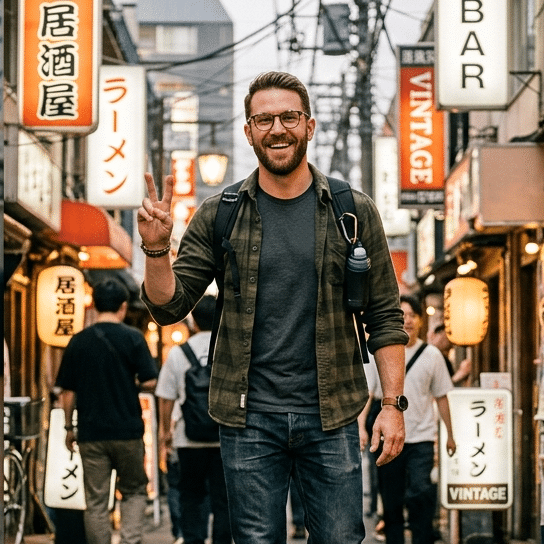
“One thing first-time visitors often underestimate is how much context changes the experience. A shrine becomes more interesting when you understand why people visit it. A walk through Gion becomes more meaningful when you know how the district evolved. A tea field becomes more memorable when you’re hearing directly from the people who work there.”
— Mark, Classic Journeys Japan Tour Leader
Tokyo to Kyoto: Distance, Travel Time, and the Fastest Way to Get There
You are probably thinking about seeing both cities, so the good news is that getting between them is remarkably easy.
So, exactly how far is Tokyo from Kyoto? The cities are only about 280 miles apart, and with Japan’s efficient transportation system, it’s a fast train trip on the Shinkansen (the famous bullet train). The fastest Nozomi trains will make the Tokyo to Kyoto travel time around 2 hours and 15 minutes, while Hikari services typically take around 2 hours and 40 minutes.
Trust me when I say that the bullet train experience is really part of the journey itself!

Planning your bullet train trip:
You’ll want to arrive at the station early enough to browse the food halls and specialty shops before boarding.
You can buy tickets online, at station ticket counters, or at self-serve kiosks, so just pick which method works best for you.
I love picking up an ekiben, Japan’s famous railway bento box, to eat while taking in the views. You’ll find everything from regional specialties and seasonal ingredients to beautifully arranged sushi and wagyu beef lunches. Meshiagare (that means “enjoy your meal”)!

Still considering taking a flight from Kyoto to Tokyo? Honestly, this option usually makes the most sense when connecting onward to a farther region of Japan or an international destination. I have found the train to be much faster than flying between these cities. This comes down to the fact that you’ll need to factor in airport transfers, security lines, boarding procedures, and baggage collection. For point-to-point travel between Kyoto and Tokyo, take my advice and board the train.
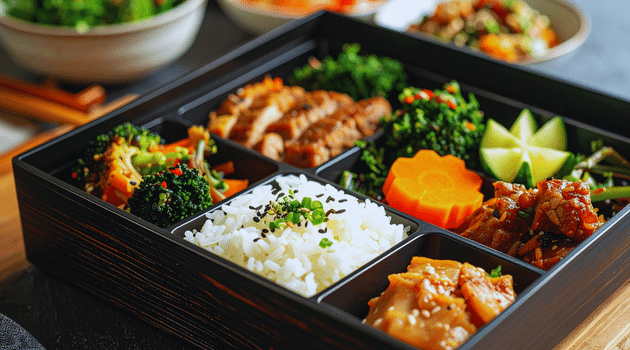
While some travelers search for a flight from Kyoto to Tokyo, flying usually makes the most sense when connecting onward to another region of Japan or an international destination. For point-to-point travel between Kyoto and Tokyo, the train is generally the easier and more enjoyable choice.
My Insider Tip
When reserving Shinkansen seats, request seats on the right-hand side when traveling from Tokyo to Kyoto. On clear days, you’ll have some of the best views of Mount Fuji along the route, so keep your camera ready!
How Many Days You Actually Need: Three Itineraries to Choose From
Deciding what you’ll do in Japan is a happy problem to have. And I’m here to help you solve it.
The first order of business is to determine how long you can stay in the “land of the rising sun”. Well, you’ll need to consider how much time you can take off from work or school, what your budget is, and what is at the top of your wish list of things to see and do.
Take it from me: Visiting Tokyo and Kyoto can easily fill a week. So, if you’re deciding between one city or trying to fit both into the same trip, these three itinerary approaches can help you make the most of your time. Let’s dive into my top 3 options:.
The Tokyo-Only Trip: Minimum Days and What to Prioritize
If Tokyo is the top priority for your first visit to Japan, then I recommend a minimum of four to five full days.
Take it from me: this city is much bigger than you think it is. Tokyo isn’t a place you can feasibly “see” in a day or two. It’s a collection of distinct neighborhoods, each with its own personality, history, and rhythm.
I don’t want you to make the mistake of simply exploring from landmark to landmark, because the city makes more sense when you discover it one neighborhood at a time.
My top places to visit:
- Asakusa and Senso-ji Temple
- the residential lanes of Yanesen
- Nihonbashi historic district
- Meiji Jingu, one of the city’s most important shrines
- neighborhoods like Kichijoji or Shimokitazawa
Most importantly, leave some room for spontaneity. Some of Tokyo’s best moments happen when you duck down a side street, discover a tiny restaurant, or linger in a place that you hadn’t even planned to visit.
The Kyoto-Only Trip: Minimum Days and What to Prioritize
Prefer to only visit Kyoto? You won’t be disappointed, but you will want to plan ahead to make the most of your time. I recommend a minimum of four or five days to allow for a deeper experience while exploring. You won’t want to make the mistake of rushing from temple to temple, because the city’s appeal lies as much in its atmosphere as in its landmarks.
My top places to visit:
- Fushimi Inari Taisha
- The historic streets of Gion
- Kinkaku-ji (Golden Pavilion)
- Nishiki Market (also known as Kyoto’s Kitchen)
- Temple gardens
- Day trip to nearby Uji, where tea culture has flourished for centuries
I’ve found that early mornings and evenings are often the most memorable times to experience Kyoto. This is when the crowds thin, the streets grow quieter, and the city reveals the elegance that has defined it for more than a thousand years.
Perfect Timing
Kyoto is best experienced before 9 a.m. or after 5 p.m. The landmarks are the same, but the atmosphere is completely different.
Doing Both: The Shortest Realistic Tokyo + Kyoto Itinerary
If you can’t decide – and you have at least a week – then visiting both Tokyo and Kyoto is the best option. You’ll truly experience the best of both worlds.
Could you visit both in less than a week? Absolutely. But you’ll spend much of your trip checking into hotels, navigating train stations, and moving between destinations rather than experiencing them. That’s not ideal.
Your potential one-week itinerary:
- Days 1-3: Tokyo
- Day 4: Travel to Kyoto via Shinkansen
- Days 5-6: Kyoto
This schedule gives you enough time to move beyond the highlights and main attractions to really experience true Japanese culture.
Can you stretch your trip to 8–10 days? That’s even better. I recommend spending it between Tokyo and Kyoto rather than adding it to either city. Walking part of the Nakasendo Way to stay in a historic post town and spend time in Japan’s countryside is a personal favorite of mine.
Take it from our expert local guide:
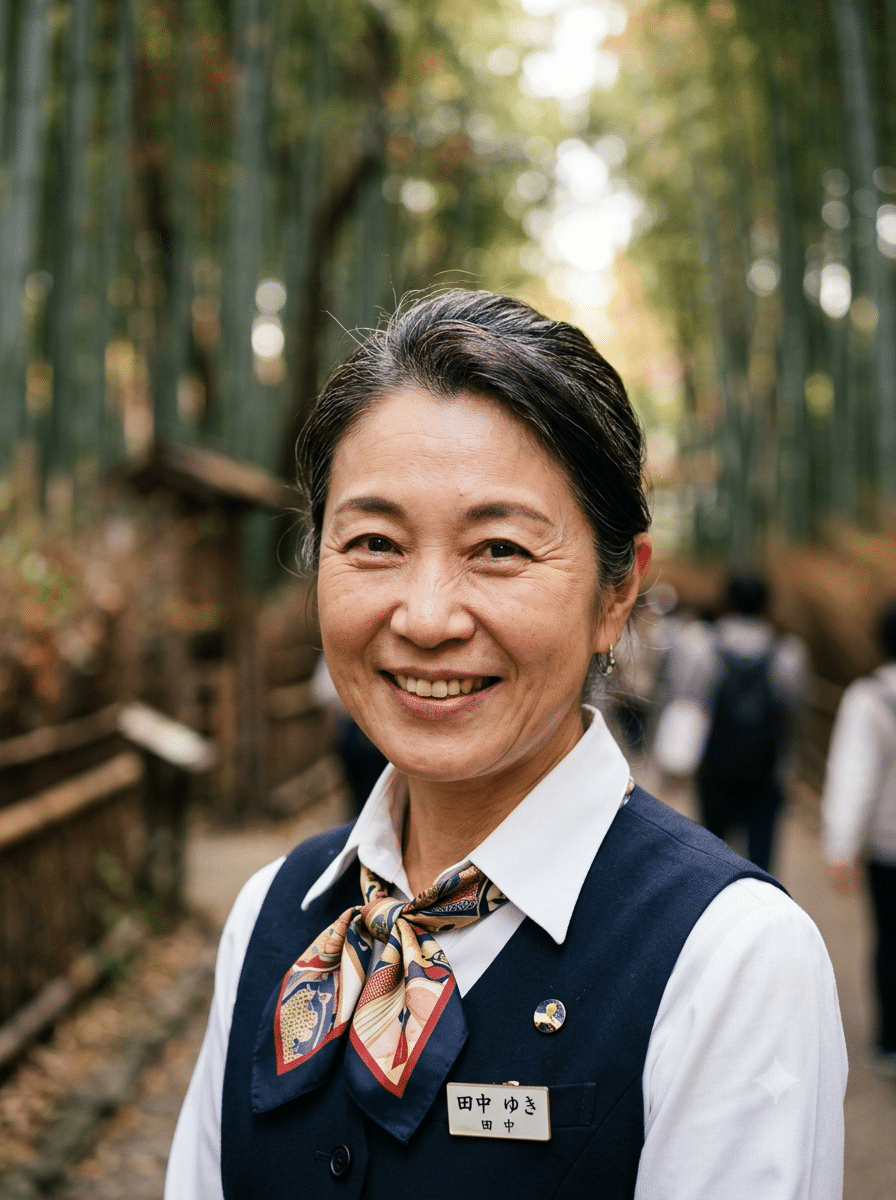
“Tokyo reveals itself neighborhood by neighborhood, while Kyoto reveals itself hour by hour. In Tokyo, changing districts can feel like entering a different city. In Kyoto, returning to the same street at dawn, midday, and dusk can feel like three entirely different experiences.”
— Yukiko, Classic Journeys Japan Guide
Making the Most of Your Time: Why a Guided Tour Like Classic Journeys Is Worth Considering
I’ve found that Japan rewards travelers who understand context. While exploring, you’ll be asking yourself: Why is this shrine important? Why does this neighborhood feel different from the last one? Why has tea culture flourished in Uji for centuries?
These are not questions you can answer yourself, so you might want an expert local guide by your side to share insight and lead the way. Not only can they help you navigate the city with ease, but they can share stories to help you better understand what you’re seeing.
This insider knowledge is invaluable when traveling to cities with so much depth and complexity. Not to mention the language barrier, travel logistics, and cultural norms that will be a factor in each day’s explorations.
On Classic Journeys’ cultural walking tour of Japan, you’ll enjoy insider access with our guides who don’t simply lead walks. They’ll provide you with the context, perspective, and access that you could not get on your own:
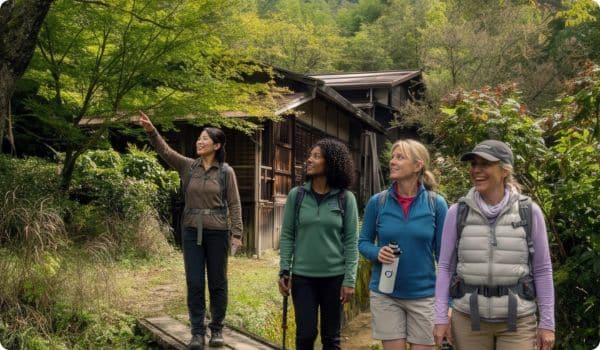
In Tokyo, that means sharing dinner with local hosts in a private home.
In Kyoto, you’ll explore Gion with someone who understands the district’s history and traditions beyond what most visitors ever learn.
In Uji, it’s spending time with tea experts whose families have cultivated tea for generations.
Along the Nakasendo Way, local guides will bring the history of samurai, merchants, and travelers to life as you walk between preserved post towns.
Just as importantly, someone else has already solved the logistics for you. Transportation, reservations, timing, accommodations, meals, and daily planning are handled for you, allowing you to focus on the experience rather than the details.
As one Classic Journeys guest put it:
“The experiences were all unique and not things I would have planned on my own.”
Making the Call: Tokyo, Kyoto, or Both
If you are a curious traveler like me (and most first-time visitors to Japan), you are enticed by both cities. You probably want to experience Tokyo’s vibrant neighborhoods and bustling city life, as well as the tea traditions, temples and serene atmosphere of Kyoto.
If your timing and budget allow, try to experience both. Together, they reveal a fuller picture of Japan’s history, culture, and daily life that will stay with you long after returning home.
Curious for more? Explore the full day-by-day itinerary of our Japan Cultural Walking Tour to see how Tokyo, the Nakasendo Way, Uji, Kyoto, and the places between come together in one remarkably complete journey through Japan.

Ready to Walk into Extraordinary?
Every Classic Journeys trip is a trip of a lifetime.
Explore. Connect. Be inspired.