17 Unforgettable Things to Do in Japan
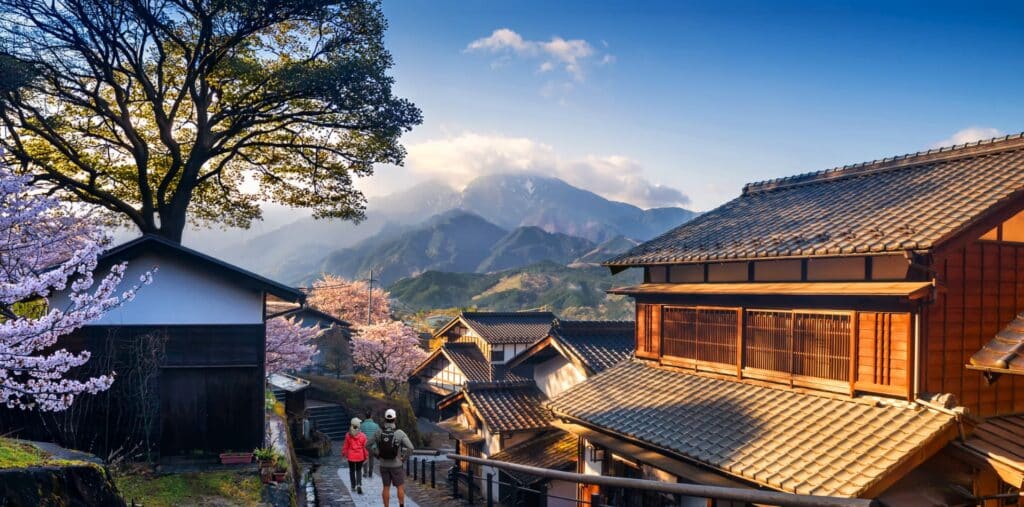
Some countries ask you to choose between history and what’s happening now. Japan gives you both, often on the same block. A centuries old shrine might sit beside a glass skyscraper, while an artisan practices a craft passed down for generations just a train ride from Tokyo’s digital art and neon lit neighborhoods. We think that contrast is what makes exploring the best things to do in Japan such a ball.
The places to travel in Japan are only part of the equation. What you do once you get there matters just as much. So rather than naming one best place to go in Japan, we’ve pulled together the experiences we think are truly must visit in Japan. From ancient walking trails and hands on traditions to modern art and incredible food, these are the things to do in Japan that we’d make room for on our own trip.
Iconic Natural Sights and Seasonal Experiences in Japan
In Japan, when you go can matter almost as much as where you go. The seasons don’t just change the scenery. They shape festivals, food, gardens, and even which landscapes are worth planning a day around. Cherry blossoms can transform a familiar city street in spring, while autumn color completely changes the experience of a mountain trail.
Many of the most beautiful places in Japan have a season when we’d especially want to see them. So when planning around Japan’s must see destinations, don’t treat the weather as an afterthought. A little attention to timing can completely change what you see once you’re there.
Classic Journeys Insight: Japan’s seasonal calendars don’t always align. Cherry blossoms can bloom weeks apart from south to north, while autumn color gradually moves down from the mountains. If you plan right, it can be possible to experience the same season twice in different parts of the country.
Catching the Best Views of Mount Fuji
No list of the top places to see in Japan would be complete without Mount Fuji, but we’ll let you in on our little secret: don’t plan your day around climbing it. Plan it around seeing it. Some of the mountain’s most unforgettable views come from a distance. The Kawaguchiko area is famous for its mirror like reflections on calm mornings, while Chureito Pagoda frames Fuji behind a five story pagoda in one of Japan’s most photographed scenes.
Arrive early if you can. Mornings usually offer the clearest skies before clouds gather around the summit later in the day. If you’re visiting in early April, you’ll often find cherry blossoms adding soft shades of pink to the landscape. Come back in late October or November, and beautiful maple leaves create an entirely different backdrop. The mountain never changes, but the experience of seeing it most definitely does.
Celebrating Cherry Blossom Season at Hanami in Japan
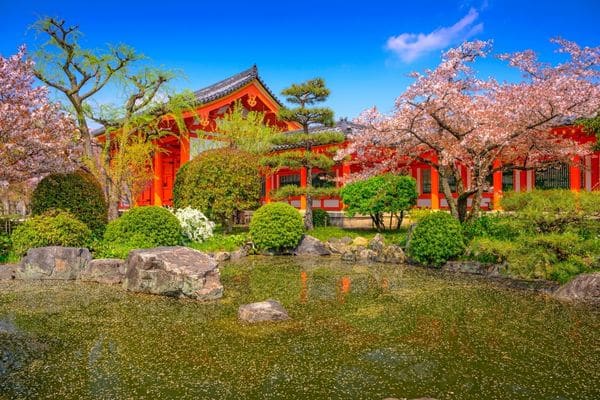
Seeing the people gathering beneath the cherry blossoms is one of our personal favorite things to see in Japan. During Hanami, parks fill with friends, families, and coworkers sharing meals and celebrating the arrival of spring, a tradition that’s just as important as the blossoms themselves.
In Tokyo, the trees lining the Nakameguro River create one of the city’s most iconic spring scenes, while nearby Chidorigafuchi offers peaceful walking paths and boat rentals surrounded by blooming sakura. The first half of April is typically the best time to visit, but bloom dates vary from year to year, so don’t make the (more common than you think) mistake of not checking the seasonal forecast before you travel.
Admiring Autumn “Momiji” Maple Leaves in Nikko
If you’re lucky enough to visit Japan in autumn like us, don’t stop at Kyoto. We’d make the trip to Nikko, where momiji colors the landscape around Toshogu Shrine, Lake Chuzenji, and Kegon Waterfall. Nikko may be one of the hidden gems in Japan for international travelers, but locals have known it as an autumn favorite for quite some time.
Here’s the trick: don’t assume the leaves change everywhere at once. Nikko’s varying elevations mean fall color arrives in stages, beginning around Lake Chuzenji in mid-October before moving down toward Toshogu Shrine and the town below. Time it right, and you can follow the color through the region rather than seeing it in just one place. How’s that for a pro tip?
Best Walking Tours and Hiking Experiences in Japan
We strongly believe that some of Japan’s most fascinating history is best understood on foot. Walk an ancient pilgrimage trail or follow an old post road between mountain towns, and suddenly the route itself becomes part of the experience. You’ll cross stone paths traveled for centuries, pass shrines tucked into forests, and see communities that developed around these historic routes.
Many of the most interesting places to visit in Japan are connected by paths with stories of their own. Walking them puts you directly into the landscapes, history, and spiritual traditions that shaped the country rather than just reading about them once you arrive.
Classic Journeys Insight: Along many historic trails, you’ll still find small roadside statues of Jizō, the Buddhist guardian believed to protect travelers. Locals like to leave fresh flowers, coins, or knitted hats as quiet acts of respect. Details that are easy to miss if you’re moving too quickly. Stop and smell the roses!
Walking the Ancient Kumano Kodo Pilgrimage Trail
There are beautiful hikes all over Japan. What sets the Kumano Kodo apart is that people have been walking these same paths for more than 1,000 years. The UNESCO World Heritage pilgrimage network crosses the forested Kii Peninsula, connecting the three sacred shrines known as the Kumano Sanzan. Emperors, monks, and pilgrims once made the journey as an act of spiritual devotion, and that history is still visible in the stone paths, small shrines, and mountain communities along the way.
For us, that’s what makes the Kumano Kodo stand out among the underrated places in Japan. You don’t have to tackle the entire pilgrimage to experience it, either. Routes range from approachable half day walks to challenging multi day treks, so it’s up to you how deeply you want to explore this fascinating part of Japan.
Hiking the Nakasendo Way Between Magome and Tsumago
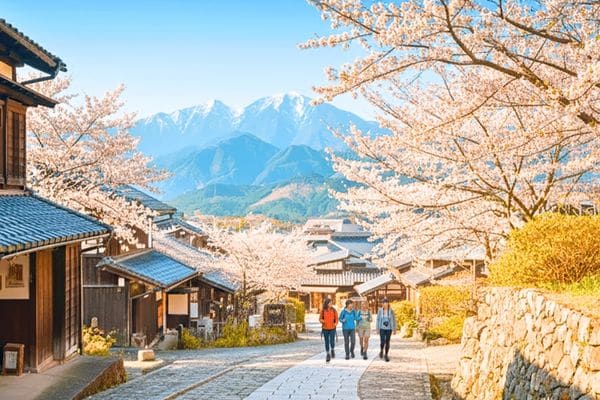
Before Japan had bullet trains, travelers made the journey between Kyoto and Edo (modern-day Tokyo) on foot. Today, you can still walk the section of that route between Magome and Tsumago, two Edo period post towns separated by an easy 8-kilometer trail. Along the way, stone-paved paths lead through cedar forests, past waterfalls, traditional farmhouses, and small shrines that have stood beside the route for many generations before us. We think it’s a worthwhile detour from the best cities to visit in Japan because the here history isn’t confined to a museum and you get to follow the same road travelers used centuries ago. Doesn’t get much cooler than that!

Strolling the Philosopher’s Path in Kyoto
Kyoto surely has no shortage of famous temples, but the walk between them can be just as memorable. The Philosopher’s Path follows a stone walkway next to a narrow canal in northern Kyoto, connecting Ginkaku-ji (the Silver Pavilion) with temples and shrines near Nanzen-ji. Neighborhood cafes, gardens, and small shrines can be found along the way, giving you plenty of reasons to wander beyond the main path. Come in early April, and hundreds of cherry trees bloom above the canal, making this a must-see in Kyoto during spring. Of all the Kyoto tourist attractions, this is one we think is just as much about the walk as where it leads.
Exploring the Fushimi Inari Shrine Mountain Hike
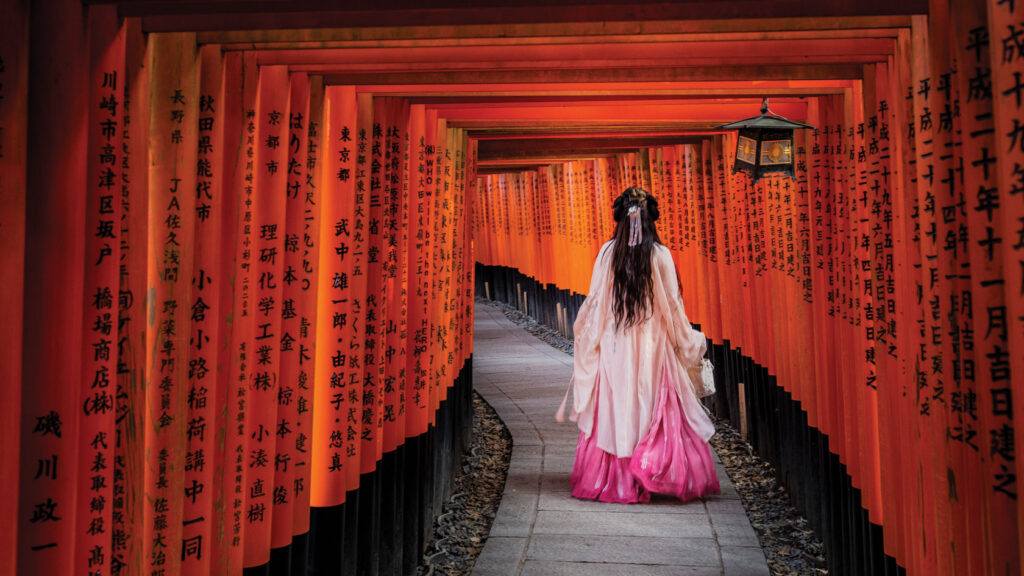
Most visitors to Fushimi Inari Taisha photograph the famous vermilion torii gates and turn around. We think it’s more than worth continuing. The gates mark the beginning of a trail that climbs Mount Inari, passing smaller shrines, forest paths, and viewpoints as you make your way toward the summit. Completing the full hike takes roughly two to three hours and reveals far more than you’ll see around the crowded entrance. It’s one of the best things to do in Kyoto, especially if you arrive shortly after sunrise or later in the day, when fewer visitors are making their way up the mountain.
Cultural and Traditional Things to Do in Japan
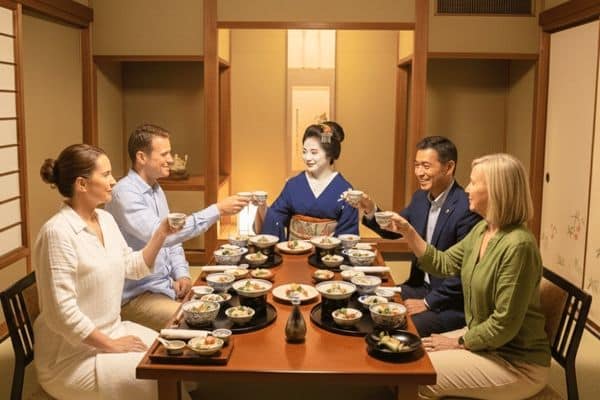
You can visit Japan’s most famous temples, castles, and shrines and still miss a huge part of what makes the country fascinating. We think the traditions practiced beyond those landmarks tell just as much of the story. Learn the rituals of a tea ceremony, work alongside an artisan, or try your hand at a craft refined over generations, and you’re no longer simply observing Japanese culture. You’re participating in it. The top 10 places to visit in Japan may shape your itinerary, but experiences shared with the people keeping these traditions alive are what give those places greater meaning.
Classic Journeys Insight: One of the things that surprised us most while traveling in Japan was how much pride is taken in doing ordinary things extraordinarily well. Whether you’re sharing tea with a master or watching an artisan practice a craft that’s been passed down for generations, those moments often become the highlights of the journey.
Wearing a Kimono at Kyoto’s Most Beautiful Temples
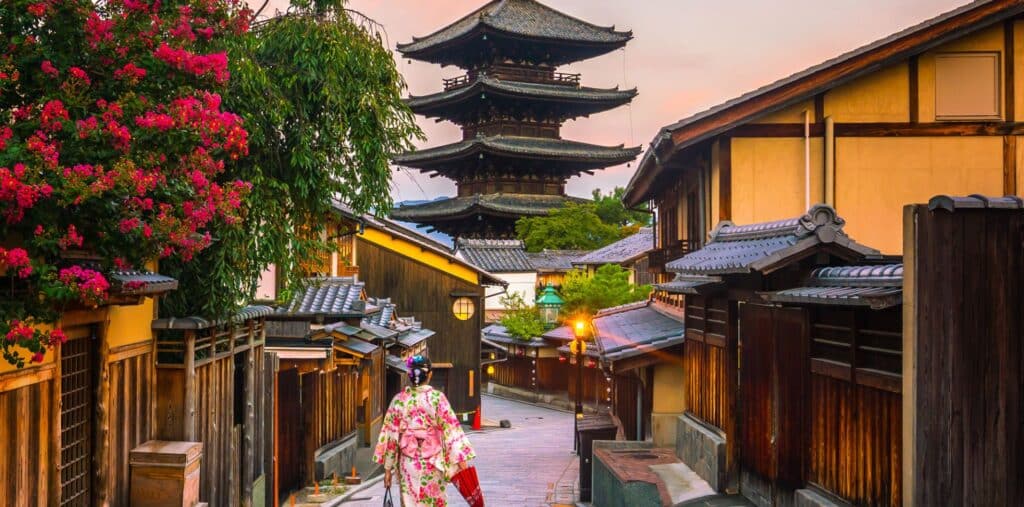
If you’re going to rent a kimono in Japan, Kyoto is where we’d do it. Start at one of the rental shops in Higashiyama, where you’ll choose your kimono and obi before the staff dresses you properly. This was a surprisingly intricate process that’s part of the experience. Hair styling might be available too if you’re lucky. Then head out on foot. Kiyomizu-dera and the surrounding historic streets make a natural first stop, while Fushimi Inari’s vermilion torii gates and the gold-leaf exterior of Kinkaku-ji create completely different backdrops. Of all the things to do in Kyoto, this one is worth starting early. Pick up your kimono when the shop opens, and you’ll reach the must-see sights in Kyoto before the biggest crowds and have much better photos to show your people back home.
Experiencing a Japanese Tea Ceremony with a Master
A Japanese tea ceremony can make something as simple as preparing good ol’ matcha feel completely different. That’s precisely why we think it’s worth experiencing with a tea master. During a guided ceremony, you’ll learn how each movement, from cleansing the utensils to whisking the tea and serving seasonal sweets, reflects principles of harmony, respect, purity, and tranquility. Kyoto is our first choice, with tea houses rooted in centuries of tradition. Tokyo also has excellent introductions for first time visitors. You can’t go wrong with either. Among the recommended places to visit in Japan, both cities give you the chance to participate rather than simply watch.
Forging Your Own Knife with a Legendary Bladesmith
Of all the things to do in Osaka (and trust us, there are lots), not many will send you home with something you’ve actually helped make. In Sakai, just outside the city, bladesmiths have been forging knives for centuries, and select workshops invite travelers into the process. Depending on the experience, you might hammer heated steel, sharpen the blade, or add the finishing touches alongside an experienced craftsman. You’ll see firsthand how much precision goes into a tool that can take years to master.
The knife you help create is yours to take home, which is part of what makes this one of the best things to do in Osaka. After days spent exploring temples, markets, and other Osaka tourist attractions, stepping inside a working bladesmith’s workshop puts you on the other side of the craft. Tough to beat that, huh?
Shaping Living Art with a Bonsai Master
A bonsai tree may look perfectly natural. On second thought, spend an hour with a bonsai master, and you’ll realize how little about its shape is accidental. In a hands on session, you’ll learn how to prune branches, position them with wire, and decide what to leave untouched. All choices that can influence how a tree grows for years on years.
Workshops are available in several cities to visit in Japan, but the real value is learning directly from someone who has spent decades mastering the art. We think that’s what makes the experience so fascinating. You leave understanding that bonsai isn’t simply about keeping a tree small. It’s about knowing exactly when to intervene and when not to. Three cheers to that!
Unique Modern and Pop Culture Experiences in Japan
Don’t treat modern Japan as something to squeeze in between temples and shrines. Anime, gaming, fashion, digital art, and wildly creative entertainment aren’t meant to be side quests. They’re part of what makes Japan, Japan and we absolutely love the contrast. You can spend the morning surrounded by history and the afternoon inside an immersive art installation unlike anything you’ve seen before. If Japan is a place you want to visit, make time for this side of the culture, too. The traditions may be what first capture your attention, but contemporary Japan might give them a run for their money.
Classic Journeys Insight: Many Japanese cities are designed to be explored neighborhood by neighborhood rather than attraction by attraction. Wandering a district without a fixed plan often leads to the cafes, galleries, shops, and local traditions that never make the guidebooks. Exactly how we dig it.
Watching Sumo Wrestlers Train at a Professional Stable
A sumo tournament gives you the spectacle. A morning inside a professional training stable gives you the part we’d rather see. From just a few feet away, you’ll watch wrestlers work through drills, practice techniques, and take instruction from their coaches. There are no roaring crowds or elaborate entrances here, just the work and discipline behind Japan’s national sport.
Guided visits provide access that would be difficult to arrange on your own, while also explaining the rituals and etiquette you’ll see throughout practice. Of all the things to do in Tokyo, we’d choose this over a tournament seat. Seeing how much goes into those few minutes in the ring makes the sport far more interesting when you watch it again.
Exploring TeamLab Borderless Digital Art Museum in Tokyo
At teamLab Borderless, the art doesn’t stay put. Digital flowers drift from one room into another, projections react to the people around them, and entire spaces change while you’re standing inside them. That’s what earns it a spot on our list of the best things to do in Tokyo. Don’t miss the Floating Flower Garden or Crystal World, and arrive early if you want more room to explore before the crowds build. There are plenty of Tokyo tourist attractions where you’ll take a great photo. But here, figuring out what you’re looking at and where it might go next is half the fun.
Choosing Your Favorite Tokyo Skyline View
You don’t have to pay a premium for one of Tokyo’s best views. If you want our advice, we’d start at the Tokyo Metropolitan Government Building, where the observation decks are free and on a clear day you may be able to spot Mount Fuji beyond the skyline.
For a classic view of Tokyo Tower, the World Trade Centre is another affordable option and a favorite for photographers. Whichever you choose, timing matters. Arrive before sunset so you can photograph the skyline in daylight, catch the softer light around dusk, and stay as Tokyo begins to glow after dark. For us, that transition is a must-see in Tokyo alone.
Must-Try Food Experiences in Japan
Some of the best meals in Japan won’t be the ones you planned. You might pull up a stool at a tiny ramen shop, grab a plate from a conveyor belt, or learn to make a dish you’ve ordered countless times back home. We think food deserves just as much attention as the must-visit places in Japan because every region has something it does differently (and usually very well). Pay attention to what’s in season, what the people around you are ordering, and where there’s a line of locals. Whether you’re cooking alongside someone or simply figuring out what to order, come hungry and stay curious.
Classic Journeys Insight: In Japan, restaurants that specialize in just one dish are often the ones locals seek out. A tiny shop serving only ramen, tempura, or yakitori isn’t limiting its menu. It’s often a sign that generations have been spent perfecting that single craft.
Eating Affordable Sushi at a Kaiten Restaurant
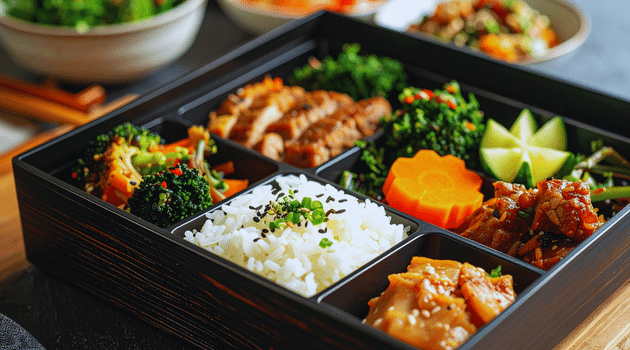
Great sushi in Japan doesn’t have to come with an expensive omakase reservation. We’d happily send you to a kaiten restaurant, where freshly prepared sushi travels around the room on a conveyor belt and you grab whatever catches your eye. Want something specific? Order it from the touchscreen and it will arrive directly at your seat. Plate colors correspond to different prices, so you can keep an eye on the bill while trying tuna, salmon, and whatever else your heart desires in the heat of the moment.
Kaiten chains keep prices surprisingly reasonable without treating quality as an afterthought, which is exactly why locals eat there too. Add one to your list of Japan places to visit when you want a casual meal where trying one more plate is almost always the right decision.
Designing Your Own Japanese Hanko Seal
A hanko may look like a relic from another era, but personal seals are still used across Japan today. In a hands on workshop, a local artisan will explain where hanko fit into Japanese life before helping you design and carve one of your very own. Getting the tiny characters right takes more precision than you might expect, which makes watching an expert all that more fun.
Of all the Japan interesting places to visit, we’d make room for an experience like this because you’re learning about a tradition that’s still in use rather than one preserved for visitors. Best of all, the finished seal is yours to keep. Bragging rights included.
Hidden Gems and Underrated Places to Visit in Japan
In Japan, we’d argue that some of the best detours require actually taking one. Leave the main tourist circuit behind and you’ll find places shaped less by visitor traffic and more by the people who live there. From regional traditions and local specialties to landscapes that rarely appear on a first-time itinerary.
These hidden gems in Japan may require an extra train ride or a little more planning, but that’s precisely why we’d make room for them. If the crowds of Tokyo and Kyoto aren’t your jam, or you simply want to see more of the country, these underrated places in Japan are well worth going out of your way for.
Classic Journeys Insight: Many of Japan’s best known traditions are deeply regional. A craft, festival, or local specialty that’s celebrated in one part of the country may be completely unfamiliar in another, making regional exploration one of the most rewarding parts of traveling through the country.

Soaking in Hot Springs in the Izu Peninsula
Your first Japanese onsen comes with a few rules. Wash thoroughly before entering the water, leave your swimsuit behind, and keep the atmosphere quiet once you’re in. Get those basics right, and now you can focus on why we’d make time for this tradition in the first place.
The Izu Peninsula, southwest of Tokyo, is one of our favorite Japan places to see for an onsen experience, with geothermal springs feeding outdoor baths overlooking forests and mountains. Stay overnight at a traditional ryokan and the experience continues beyond the bath, often with a multi course dinner built around seasonal ingredients. Come for the hot springs, but don’t be surprised if learning the ritual around them is what you take home to share with loved ones.
Swimming at Yonaha Maehama Beach on Miyako Island
We’d put Yonaha Maehama Beach up against some of the best beaches in the world. Yep, the world. Nearly seven kilometers of white sand stretch along Miyako Island, bordered by turquoise water so clear you can see right through to the bottom. Calm, shallow conditions make it an easy place to swim, which only adds to its reputation as one of the most beautiful places in Japan.
Better yet, reaching it doesn’t require an expedition. Miyako Island, part of Okinawa Prefecture, has its own airport with direct domestic flights from several major Japanese cities and connections from Okinawa’s main island. Consider it proof that Japan has a few surprises waiting beyond the experiences we came for.
Exploring the Quiet Islands of Okinawa
If your trip is packed with cities, temples, and trains, we’d highly recommend save a few days for Okinawa. Taketomi-jima trades busy streets for sandy lanes lined with traditional Ryukyu homes, where water buffalo carts still pass through the village. The Kerama Islands are all about the water, with coral reefs and exceptional snorkeling and diving just offshore.
These aren’t simply quieter places in Japan to visit. Okinawa’s history as the former Ryukyu Kingdom shaped a culture with its own architecture, food, music, and traditions. Even after you’ve covered the must-see in Osaka and Japan’s other big stops, Okinawa gives you something entirely different to look forward to.
Start Planning Your Trip to Japan
Japan rewards curiosity, and we think the best way to experience it is on foot. Our small group Japan walking tour takes you beyond the landmarks, with local guides who know which paths to follow, what to order, and the stories you won’t find on a sign.
You’ll still experience the places you’ve traveled across the world to see, but you’ll also get to know what happens between them. That’s the Japan we want to introduce you to. Explore our Japan walking tour and start planning a trip that leaves plenty of room for the unexpected.
Related Trips
5 Foods You Must Eat While in Japan
By Classic Journeys
5 Must-See Places in Japan (Travel + Leisure’s #1 Destination)
By Classic Journeys